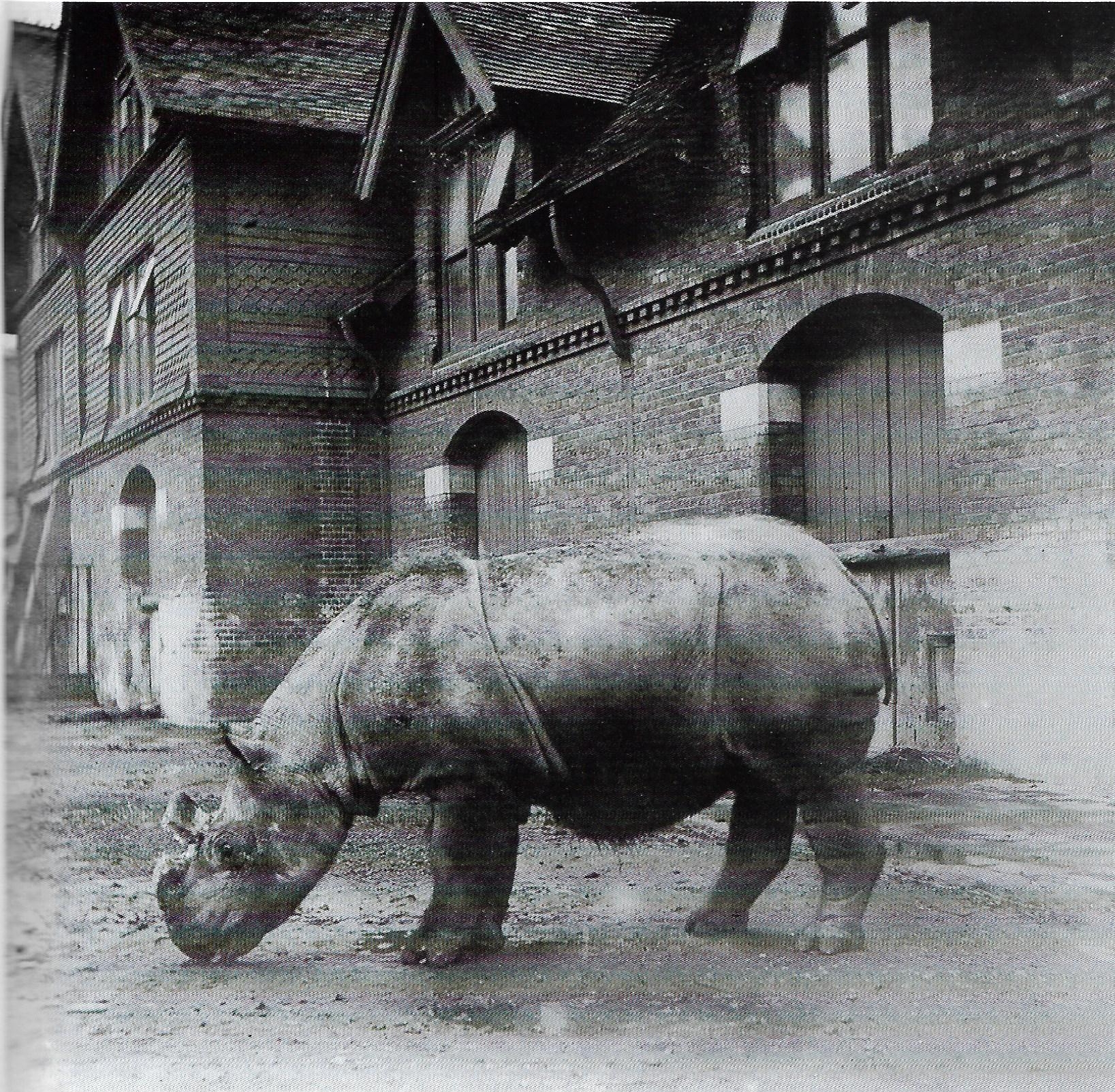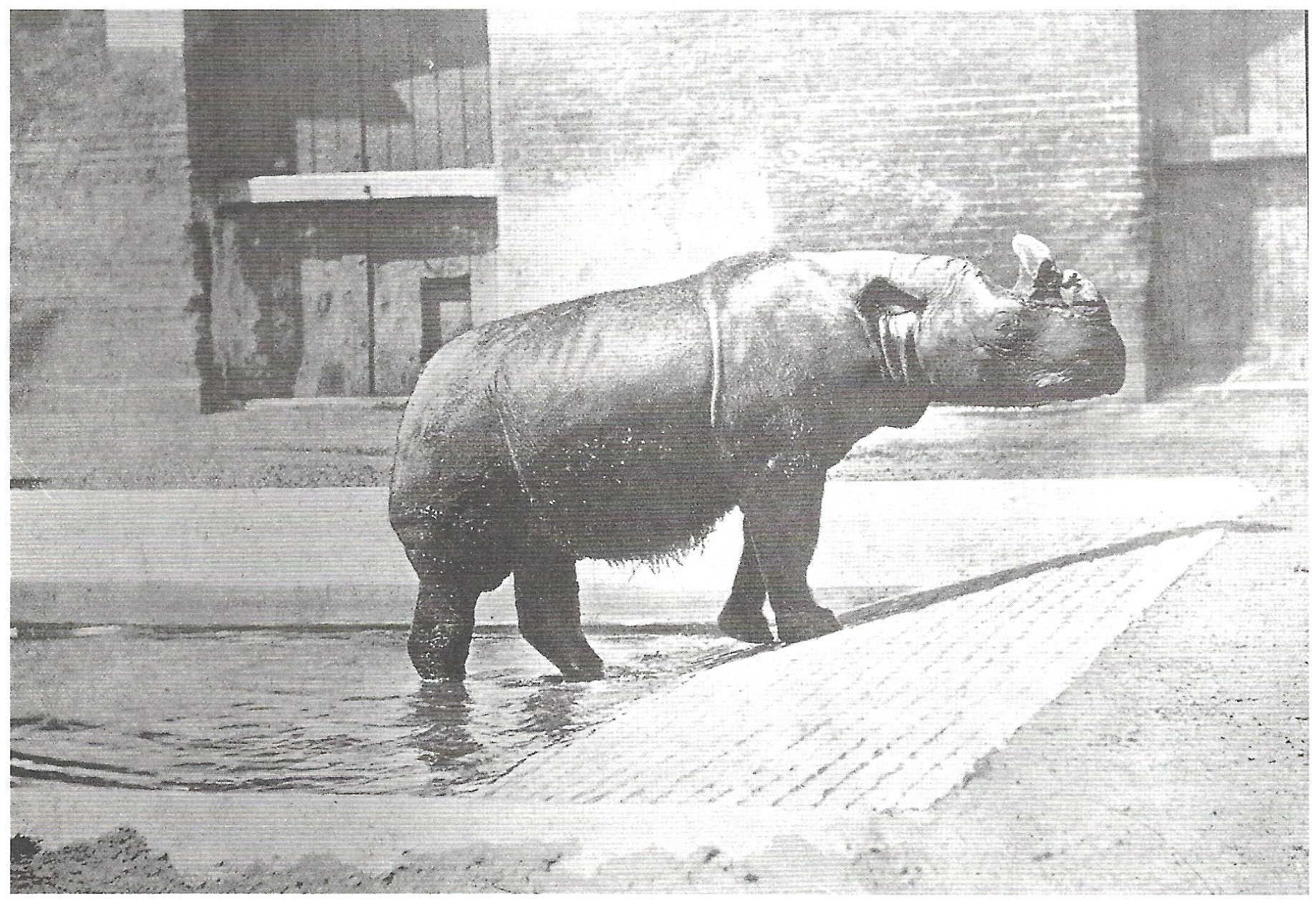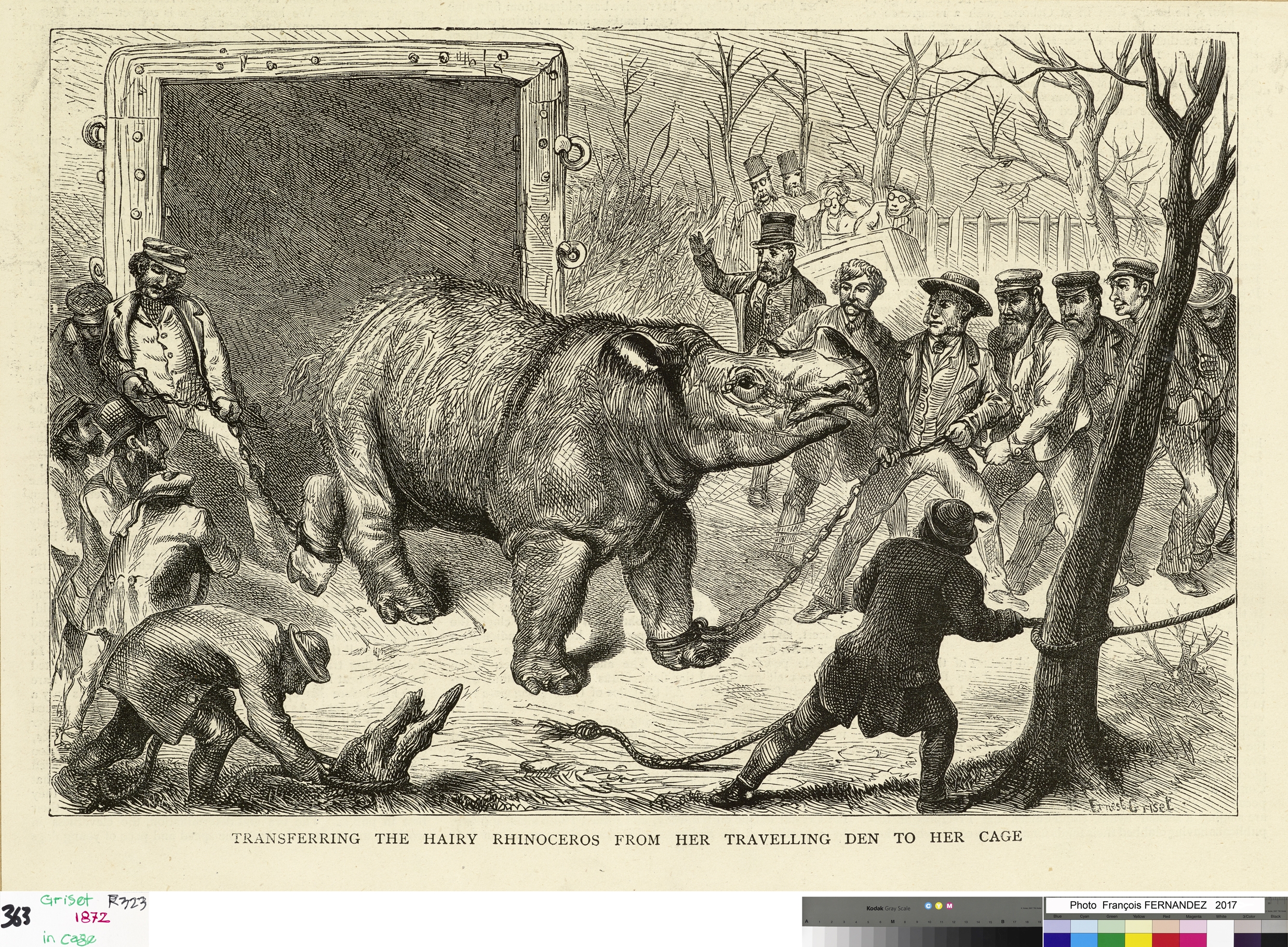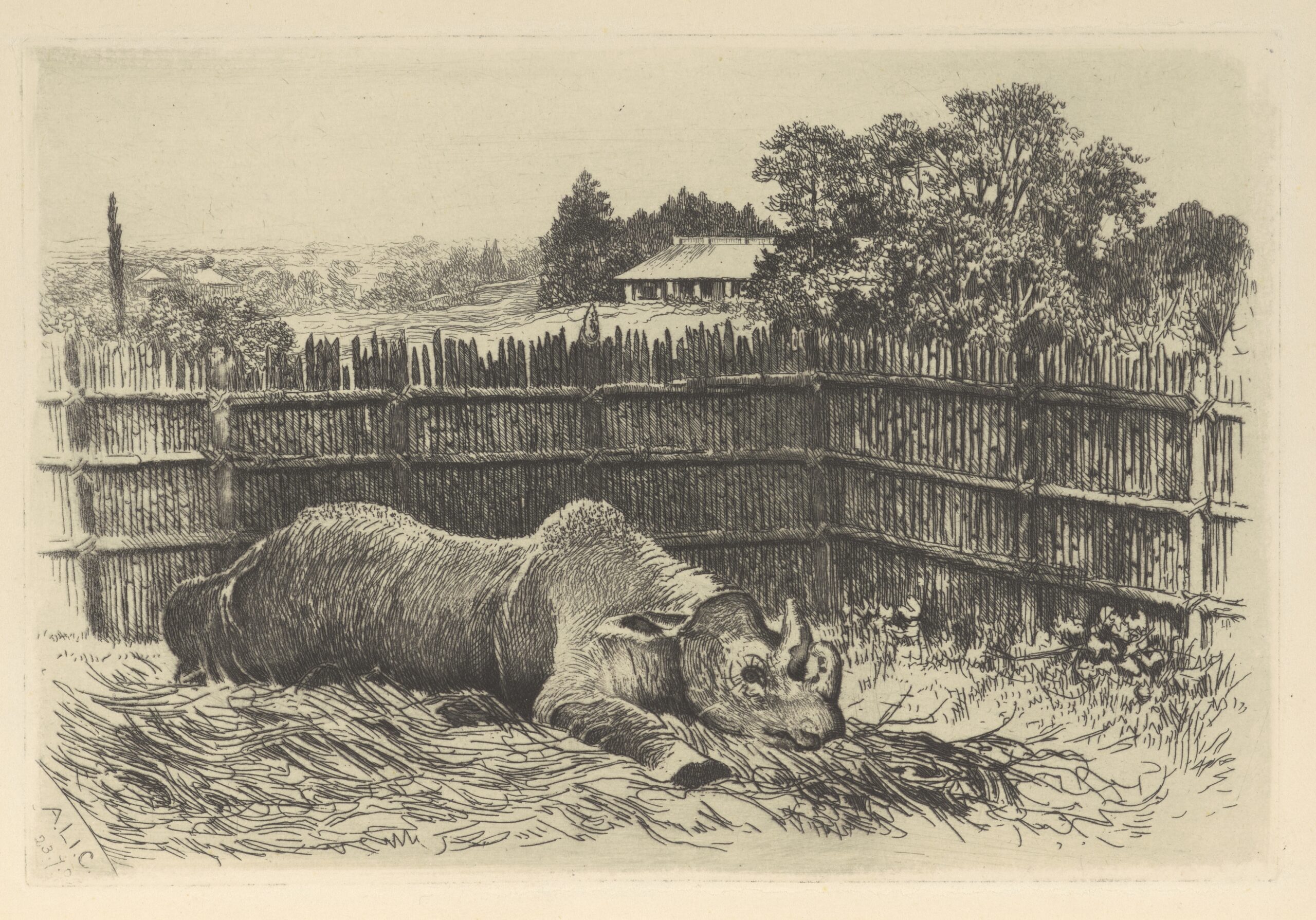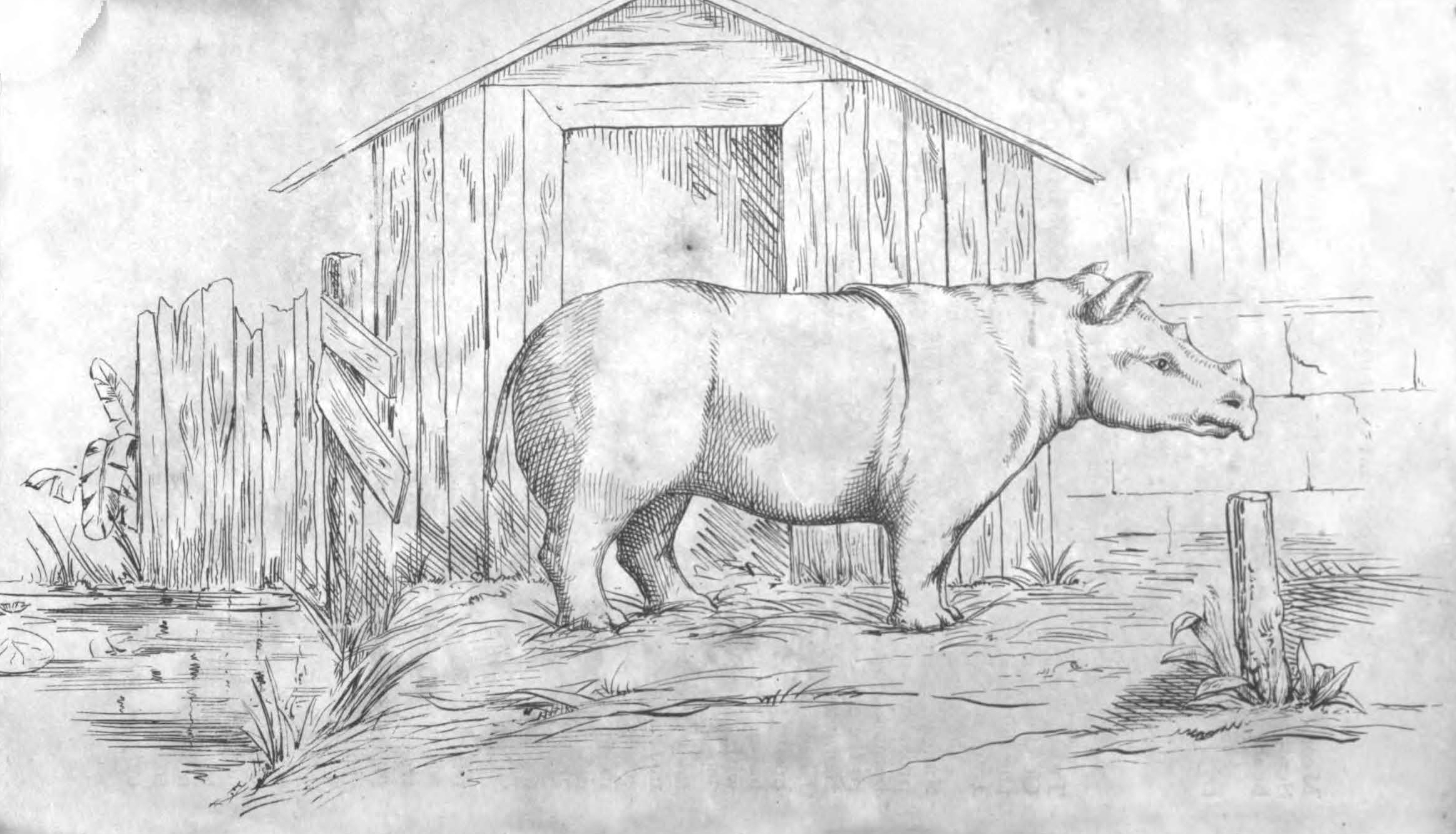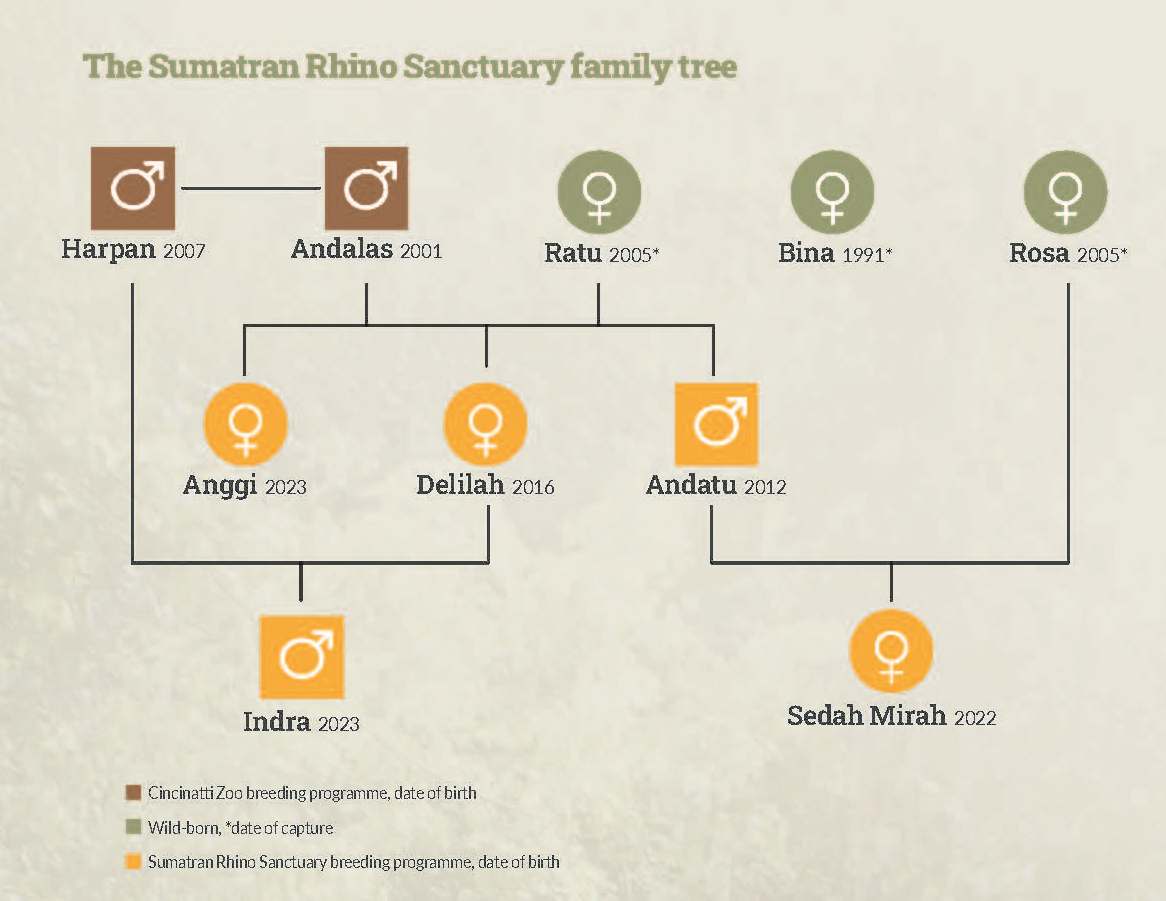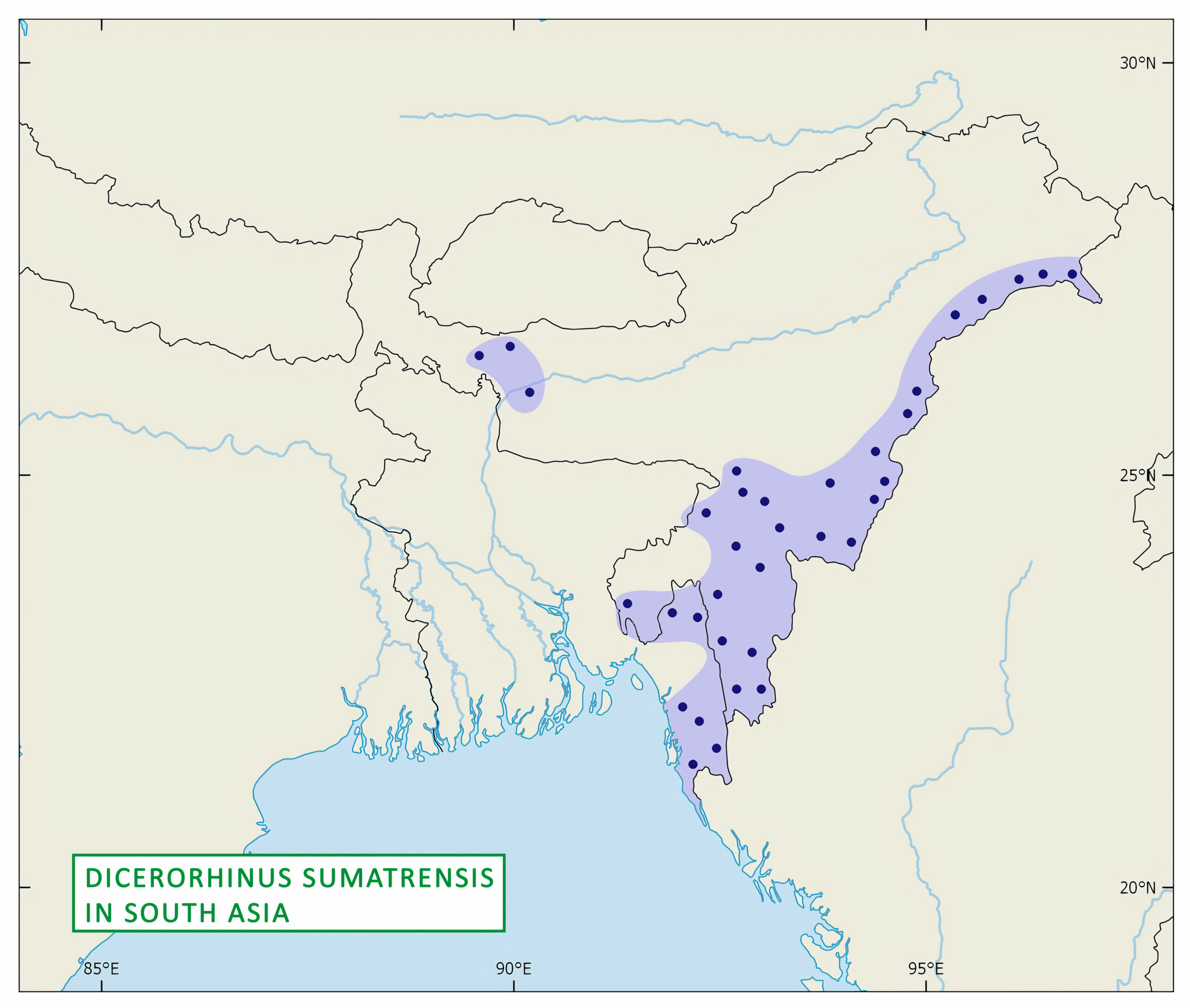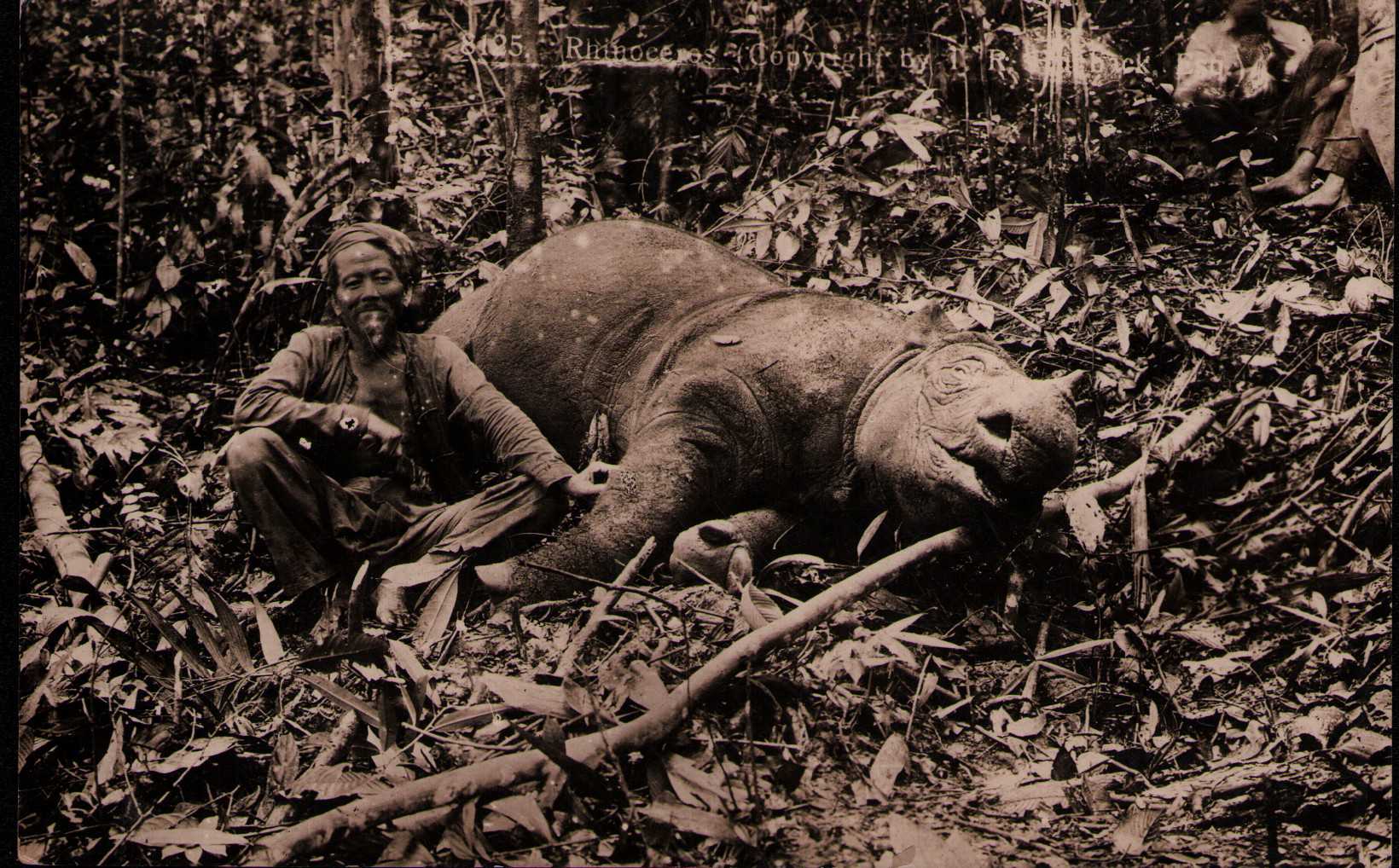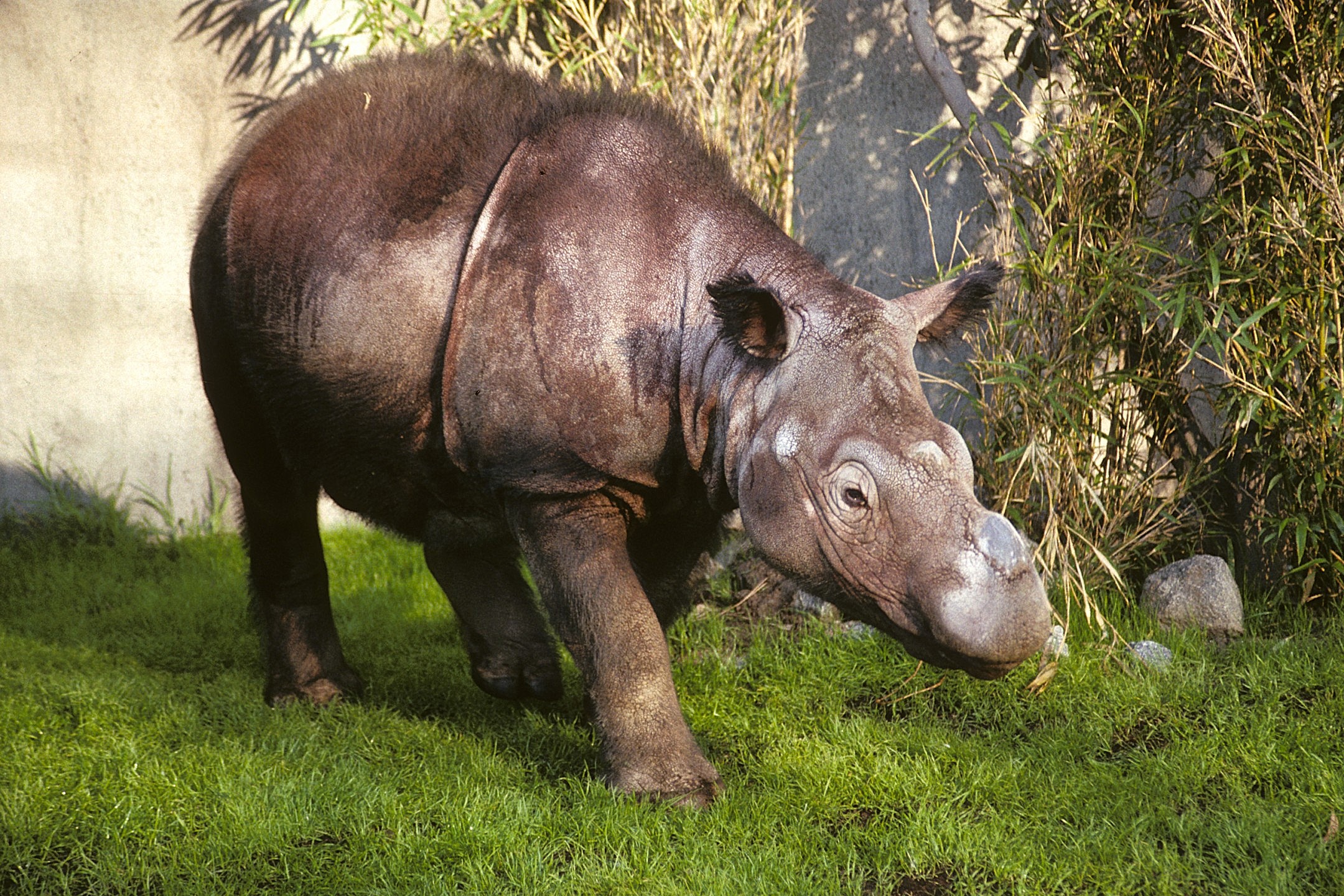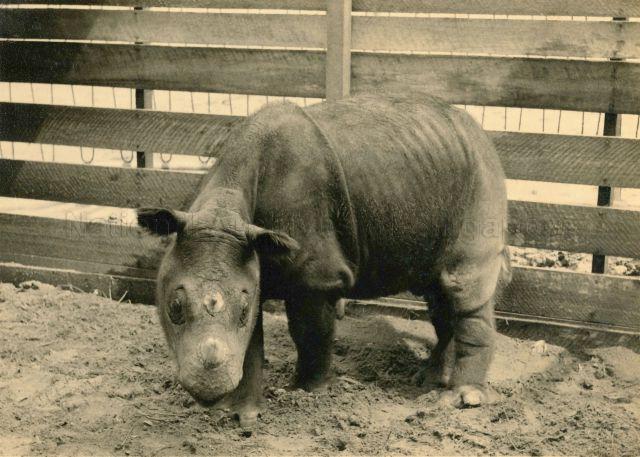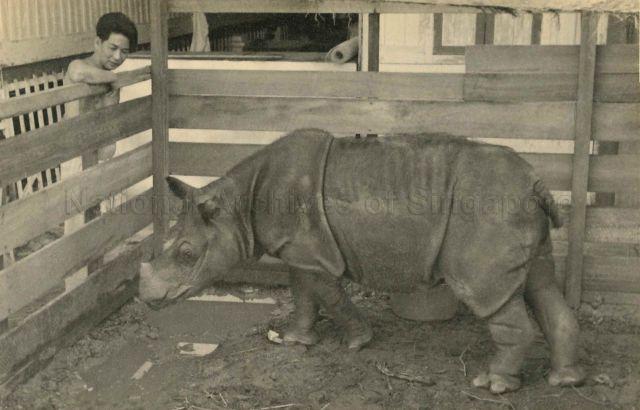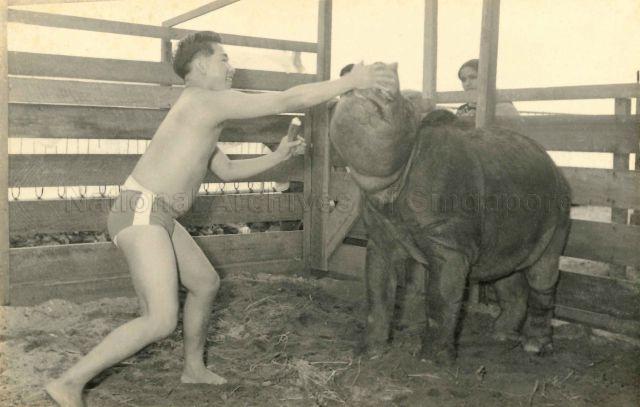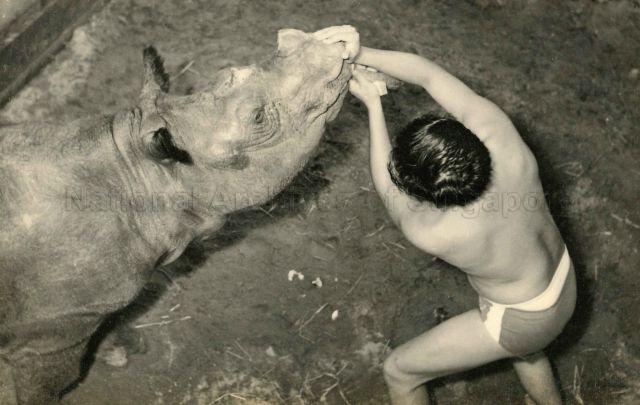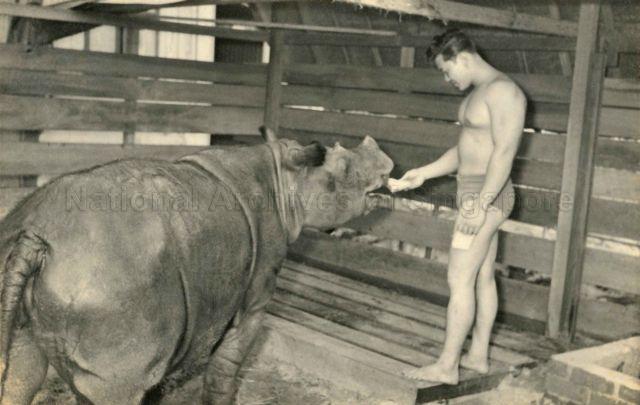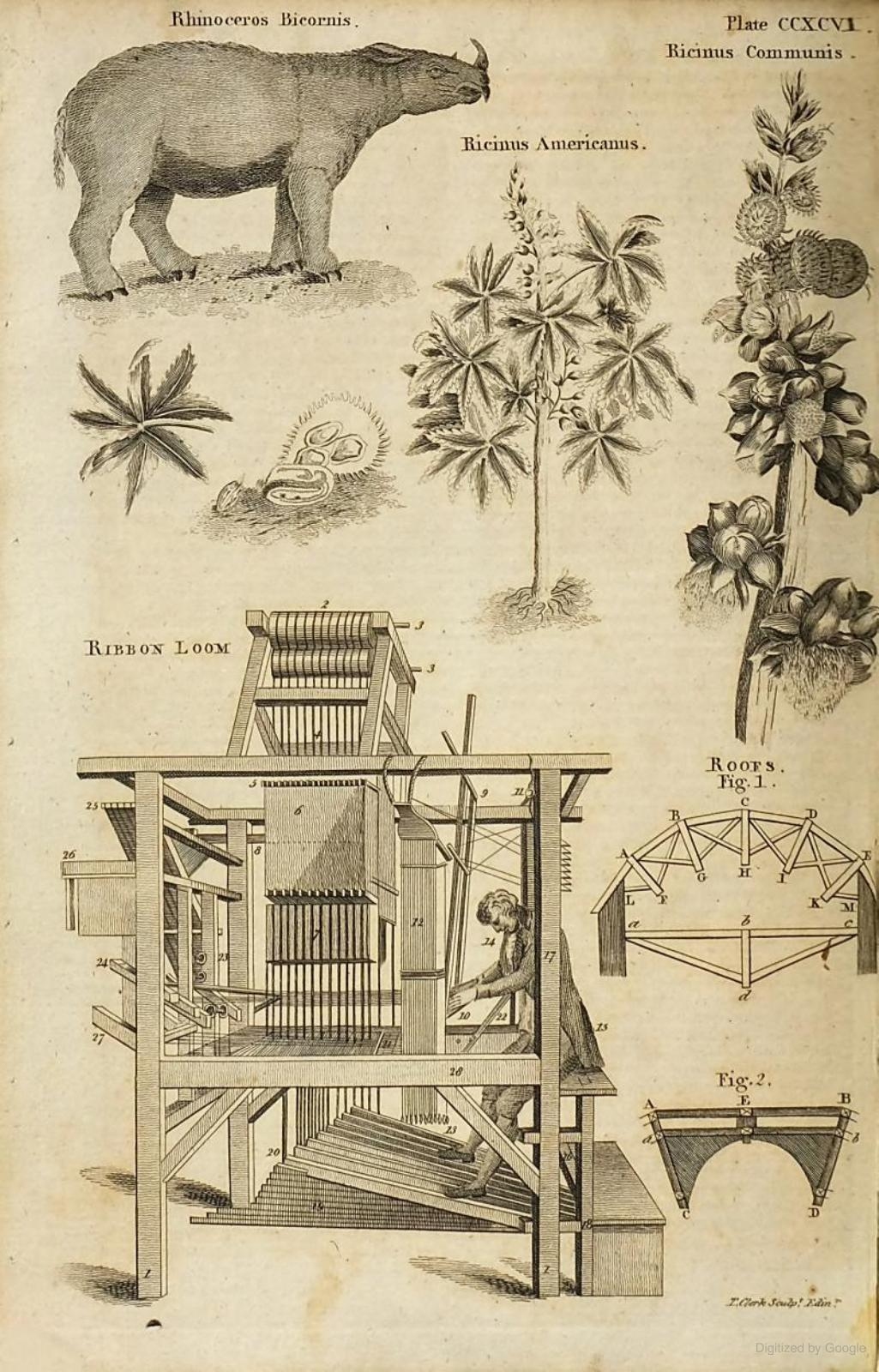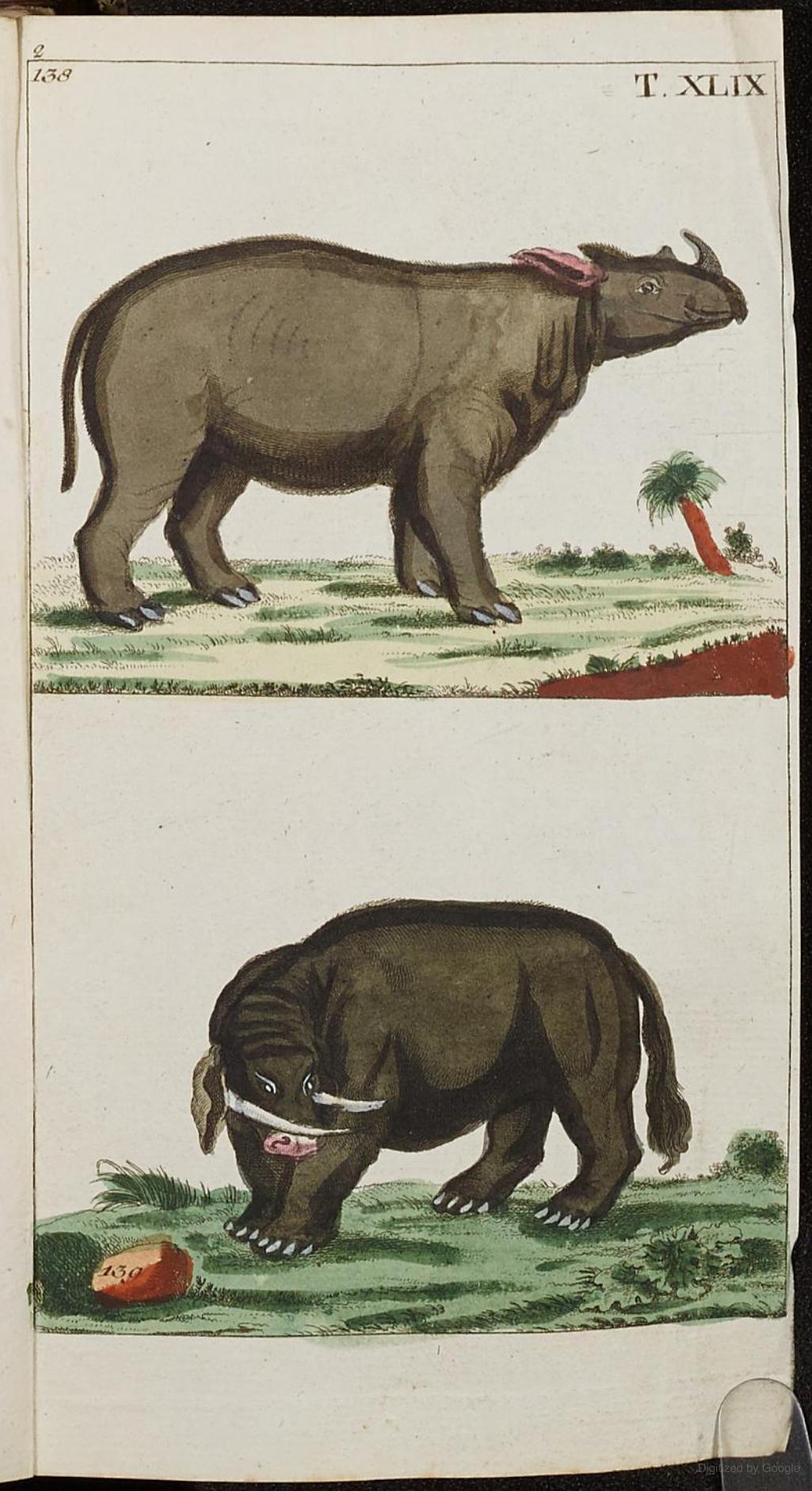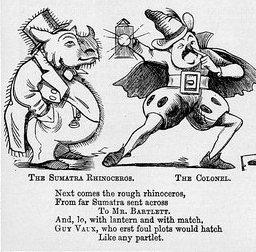


The Sumatran rhino is the odd one out of the family. It is the smallest living rhino, at 112 to 145 centimetres at the shoulder and 700 to 800 kilograms. It is covered in reddish-brown hair, especially as a calf, and it is the only Asian rhino with two horns. Genetic studies show it is the closest living relative of the extinct woolly rhinoceros, from which its lineage split around 9.5 million years ago.
It is also unusually vocal. Bioacoustic recordings of captive animals identified three distinct sounds. The “eep” is a short yelp and the most common. The “whistle-blow” is a two-second whistle followed by a burst of air, loud enough to carry through dense forest. And the “whale” is a long, song-like call that closely resembles the vocalisations of humpback whales. Some of the calls dip into infrasound, below the range of human hearing, which travels well through thick vegetation.
Sadly there are few left to listen to. The Sumatran rhino numbered close to 300 animals at the turn of the millennium; the 2025 estimate is between 34 and 47, scattered across small, isolated pockets of forest in Sumatra and Borneo.
Sources
Muggenthaler, E.K. von; Reinhart, P.R.; Lympany, B.; Craft, R.B. 2003. Songlike vocalizations from the Sumatran rhinoceros (Dicerorhinus sumatrensis). Acoustics Research Letters Online 4 (3): 83-88, figs. 1-4.
Liu, S.; Dalen, L.; Gilbert, T.; Rookmaaker, L.C.; and 35 others 2021. Ancient and modern genomes unravel the evolutionary history of the rhinoceros family. Cell 184: 4874–4885.
International Rhino Foundation 2025. State of the Rhino Report (for 2025). Washington, IRF. pp. 1-20.