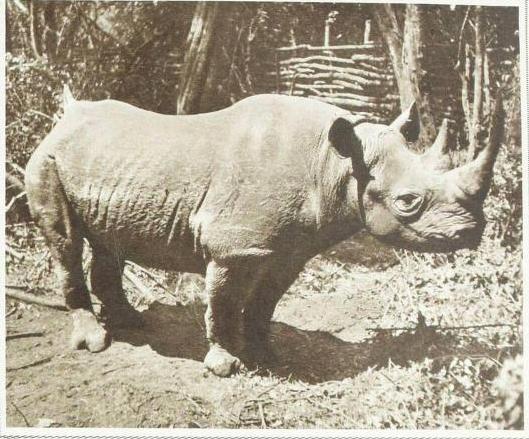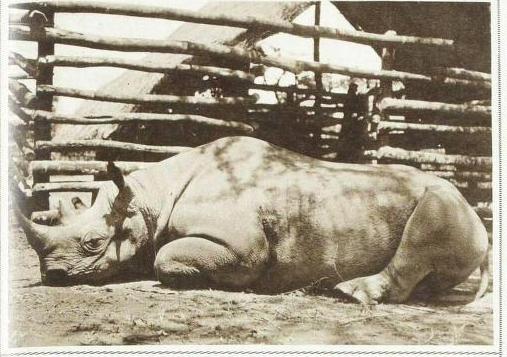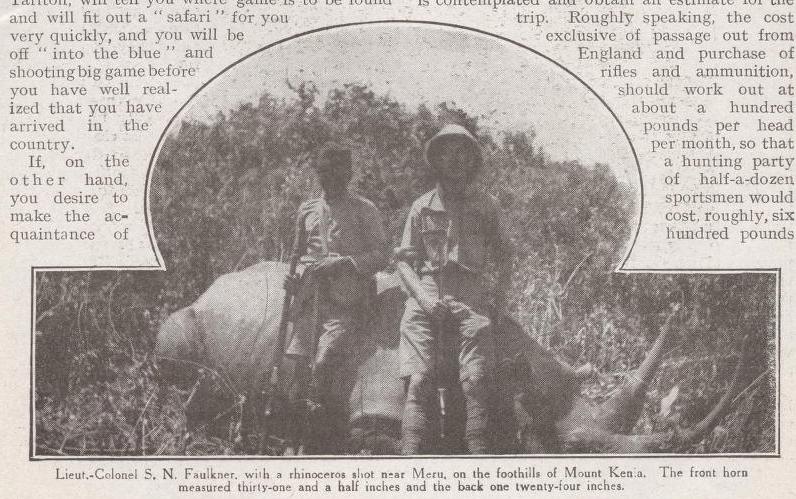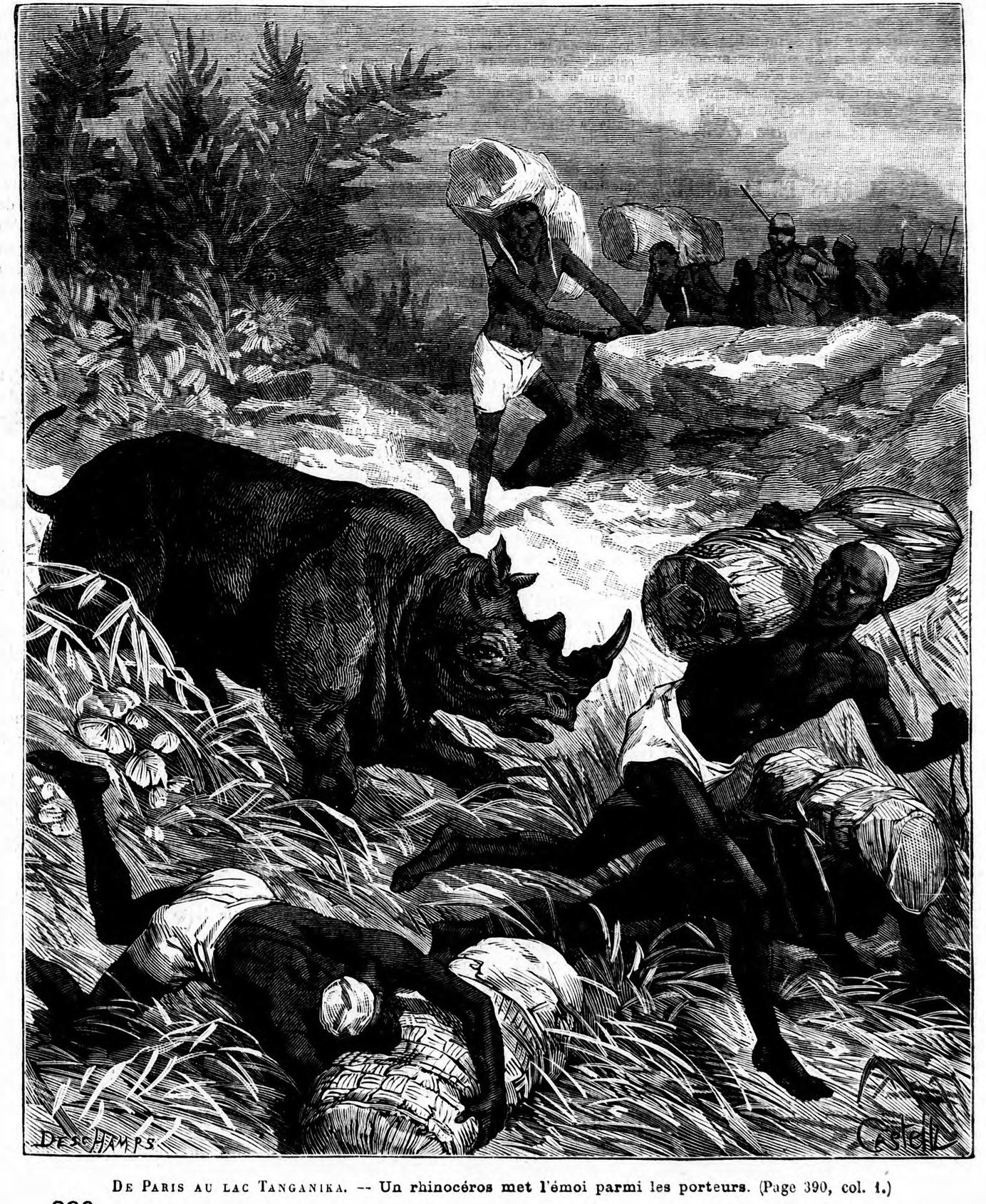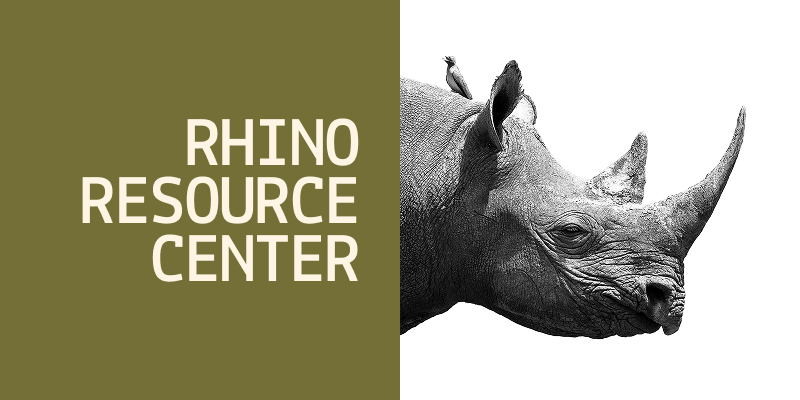


Oxpeckers are the small brown birds that ride on the backs of rhinos, buffalo and giraffes, picking off ticks and, less charitably, drinking from open wounds. For a long time biologists treated the relationship as mildly parasitic. A study published in Current Biology in 2020 suggests the rhino gets a very good deal.
Researchers in South Africa approached wild black rhinos on foot and recorded whether the animal noticed them. Rhinos without oxpeckers detected the approaching person only 23 percent of the time. Rhinos with oxpeckers on board detected them in 100 percent of trials, and at an average distance of 61 metres, roughly four times further away. The more birds a rhino carried, the earlier it was warned. The oxpeckers give a hissing alarm call, and the rhino responds by standing, facing downwind and scanning for the threat.
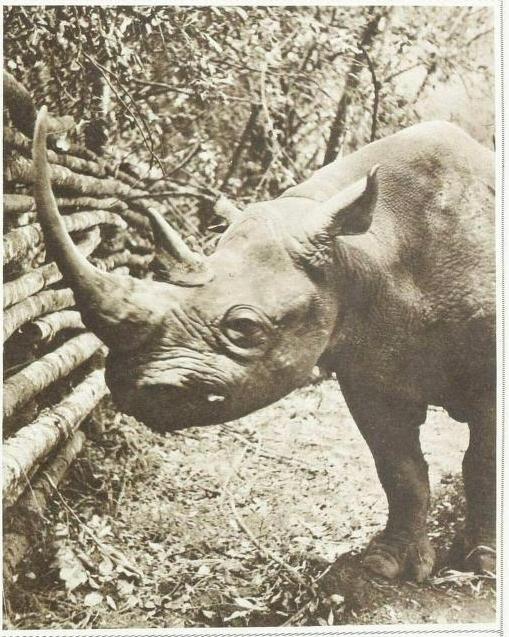
The researchers estimate that oxpeckers prevented between 40 and 50 percent of potential encounters with humans. For a species whose greatest threat is a poacher on foot, that is not a small favour. Black rhinos have poor eyesight and can be approached surprisingly closely; their guards have excellent eyesight and a loud voice.
Sources
Plotz, R.D.; Linklater, W.L. 2020. Oxpeckers help rhinos evade humans. Current Biology 30 (10): 1965-1969.e2
Plotz, R.D.; Linklater, W.L. 2010. Red-billed oxpeckers really do increase predator awareness in black rhinoceros.Proceedings of the International Behavioral Ecology Congress (ISBE), Perth Convention Exhibition Centre, Western Australia, 1st October. p. 133.
Plotz, R.D. 2012. The rhino’s blood-thirsty guards: black rhinoceros and red-billed oxpeckers in a novel parasitic-mutualism. Ecology and Evolution Seminar Series 2012. p.1.