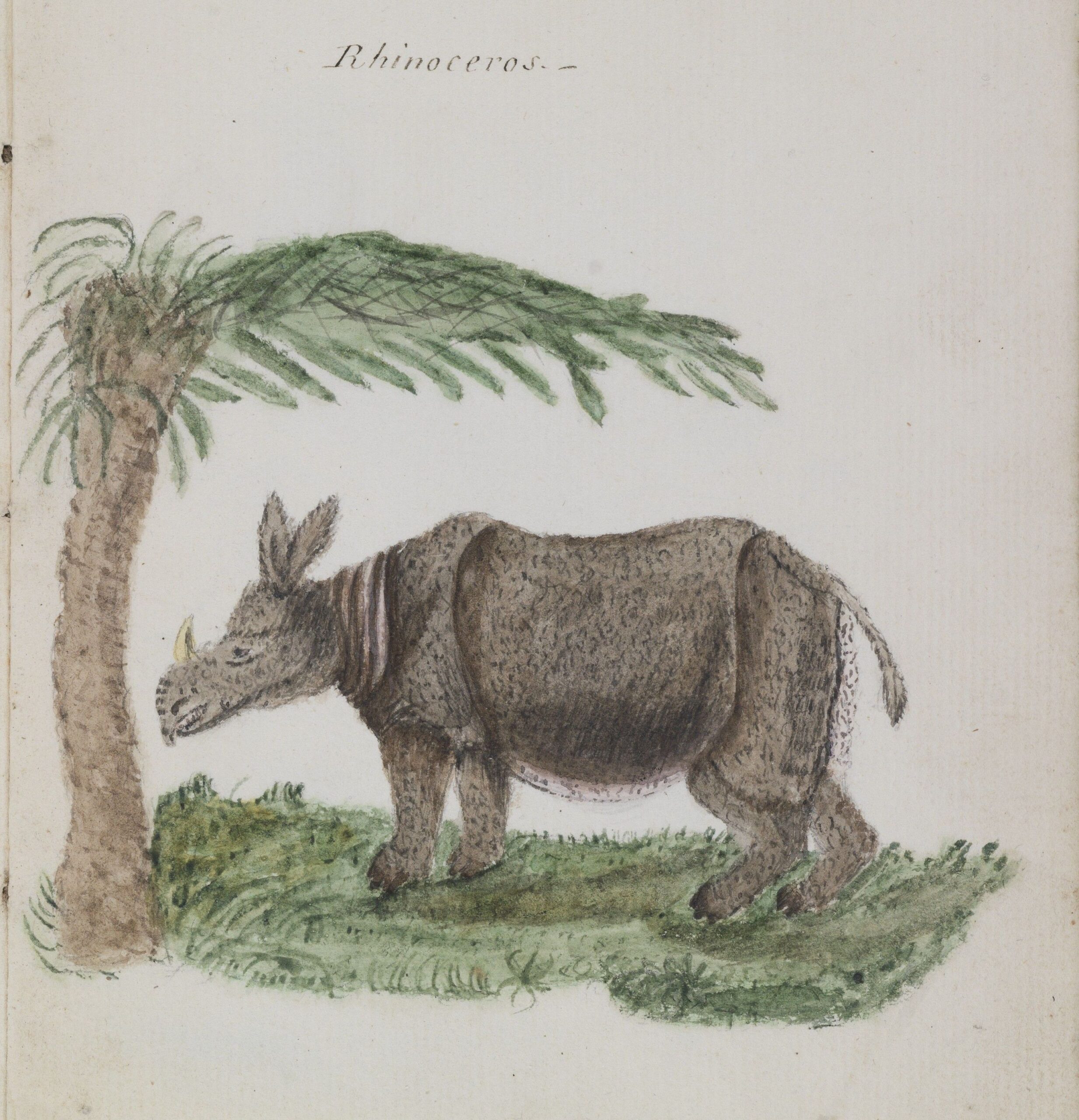
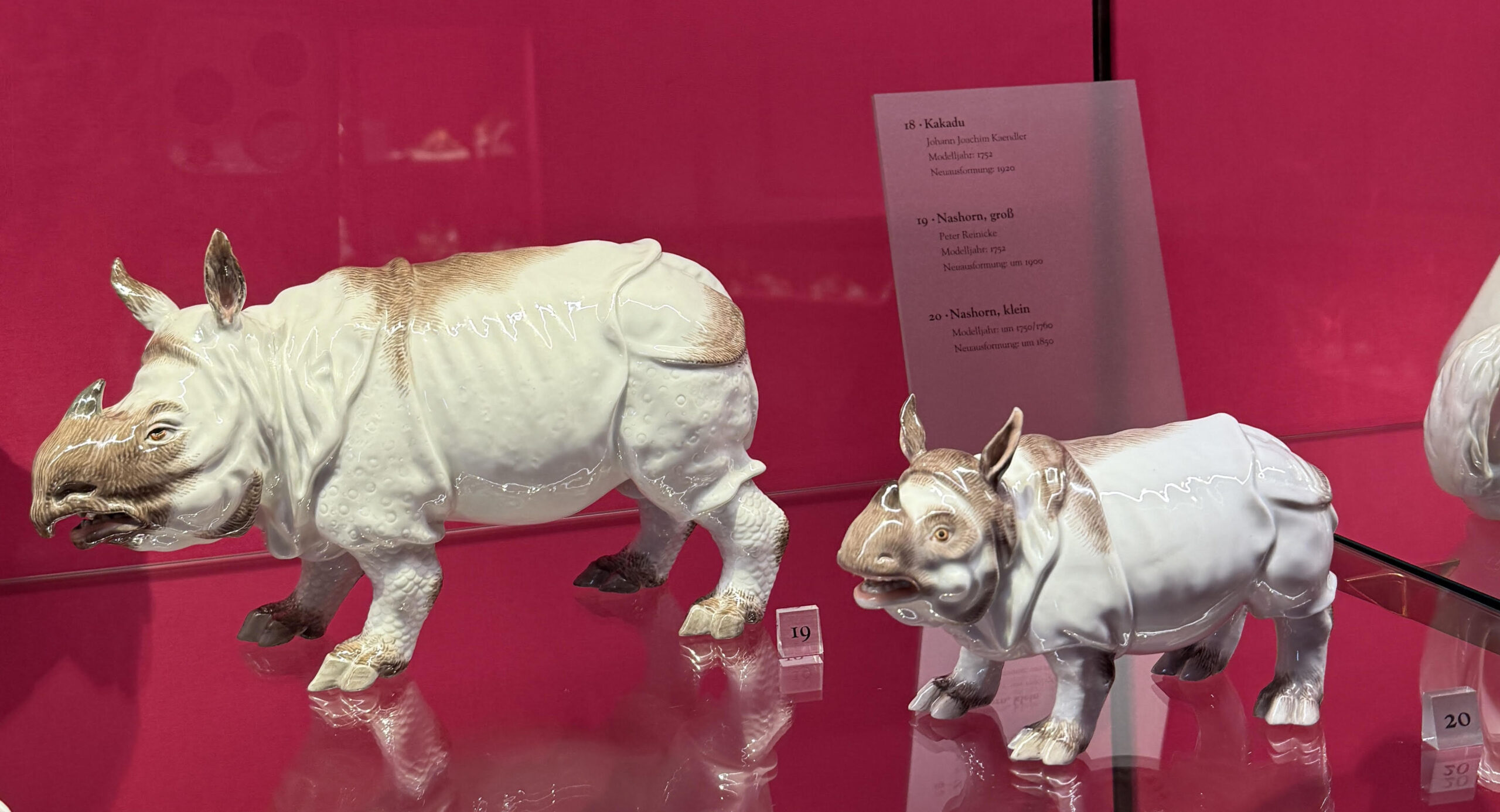
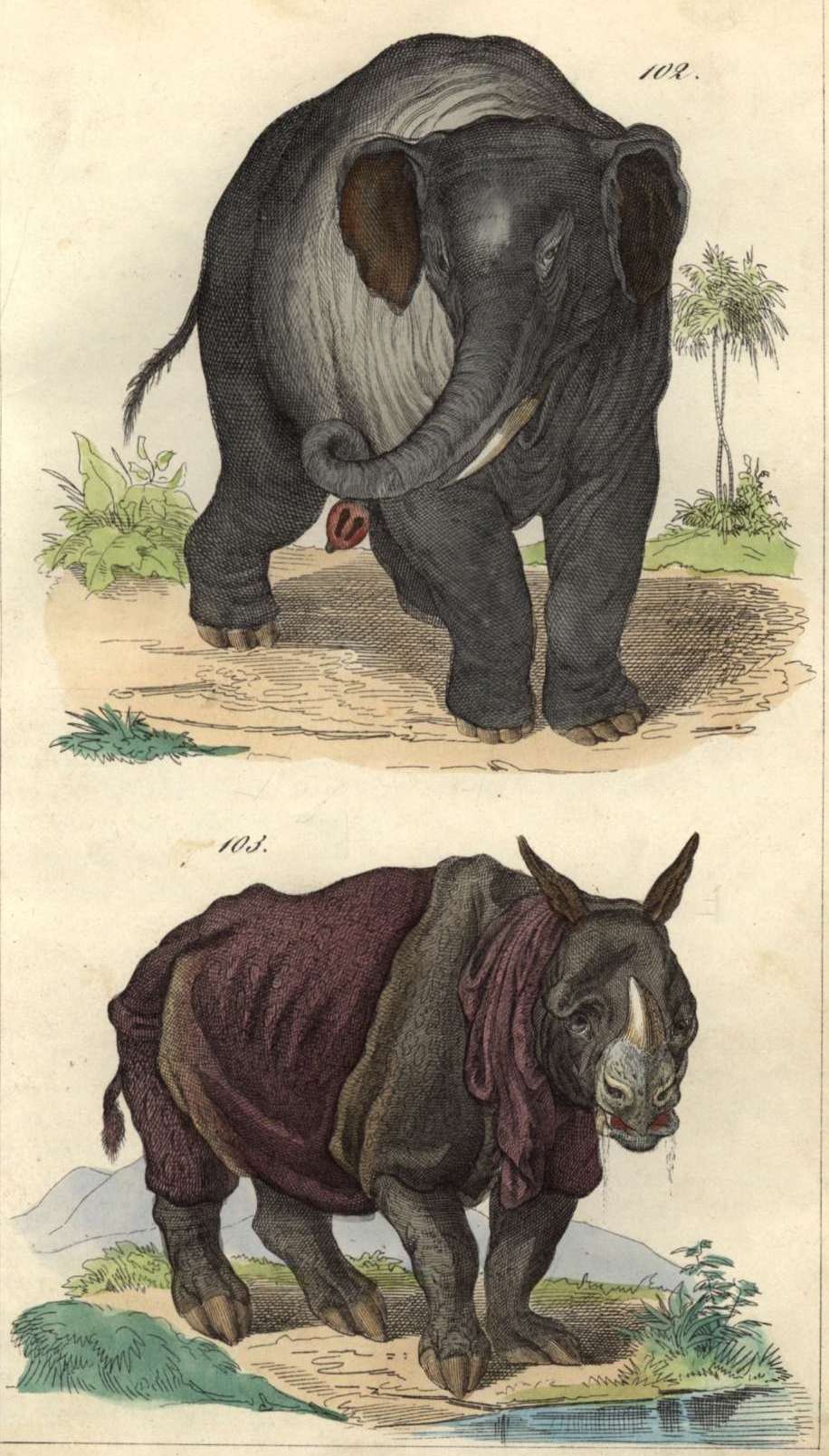
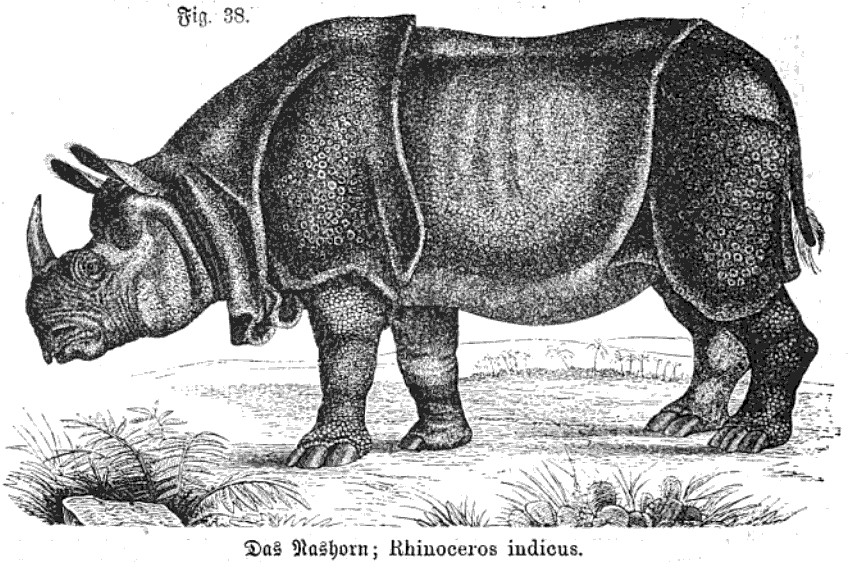
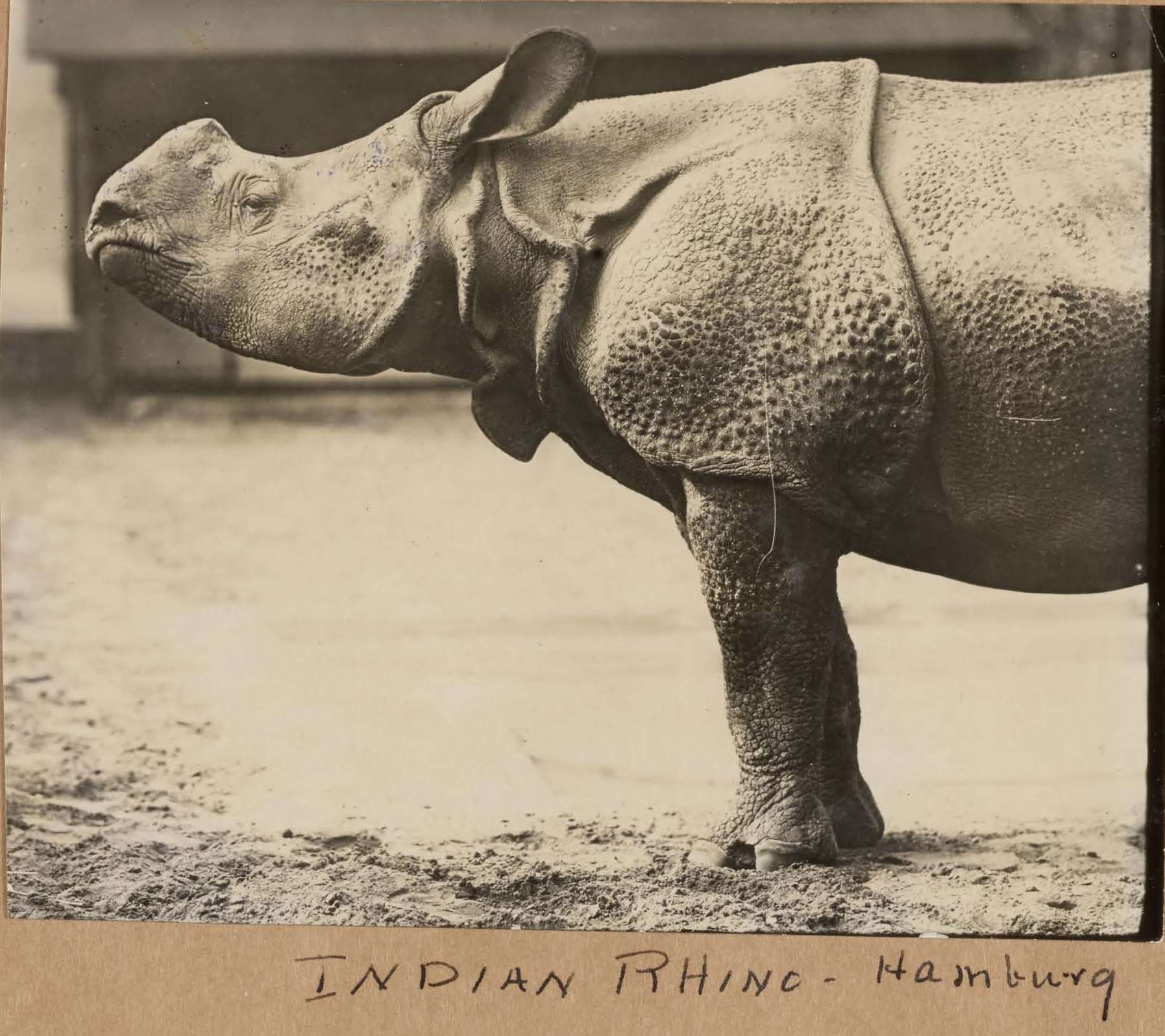
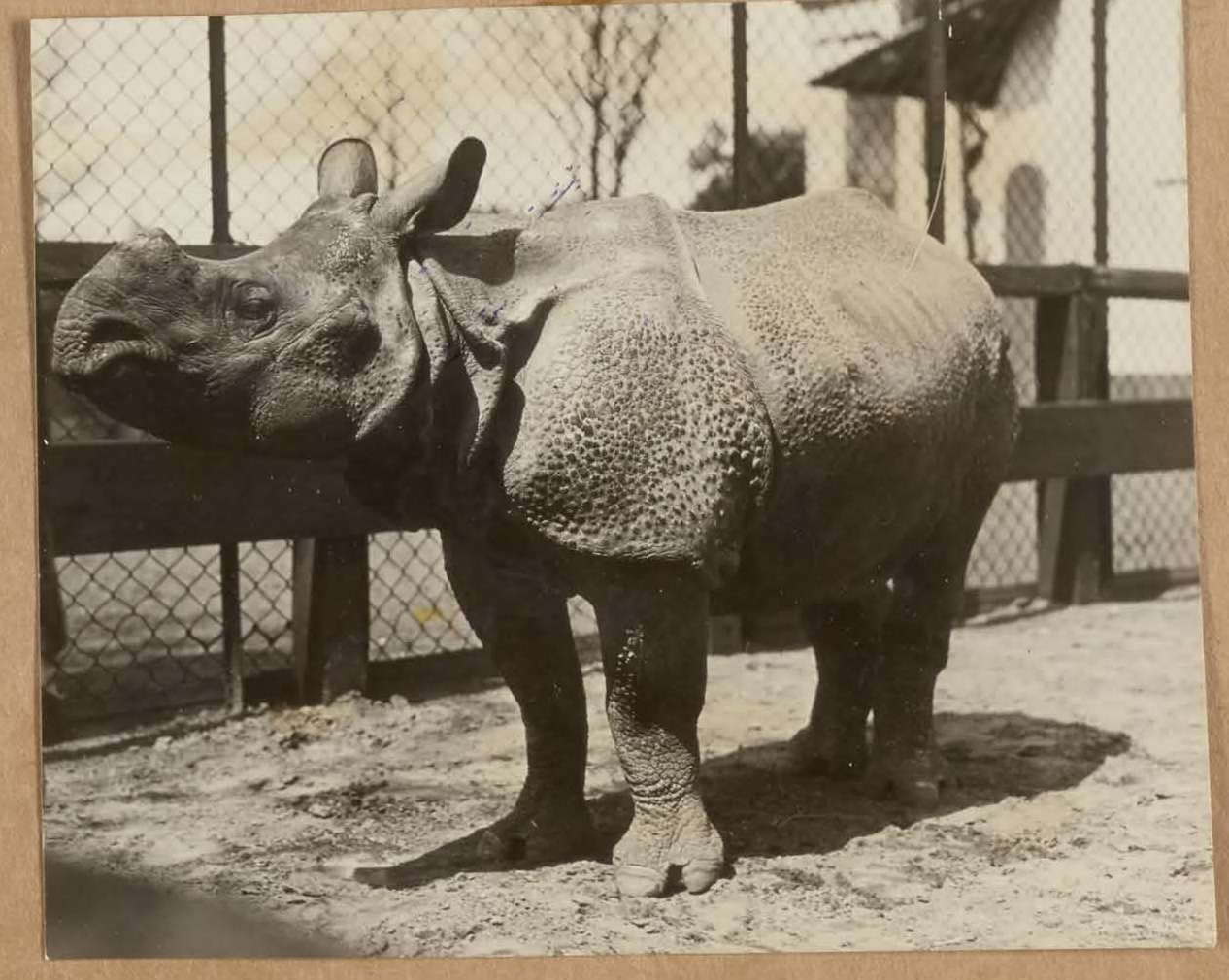
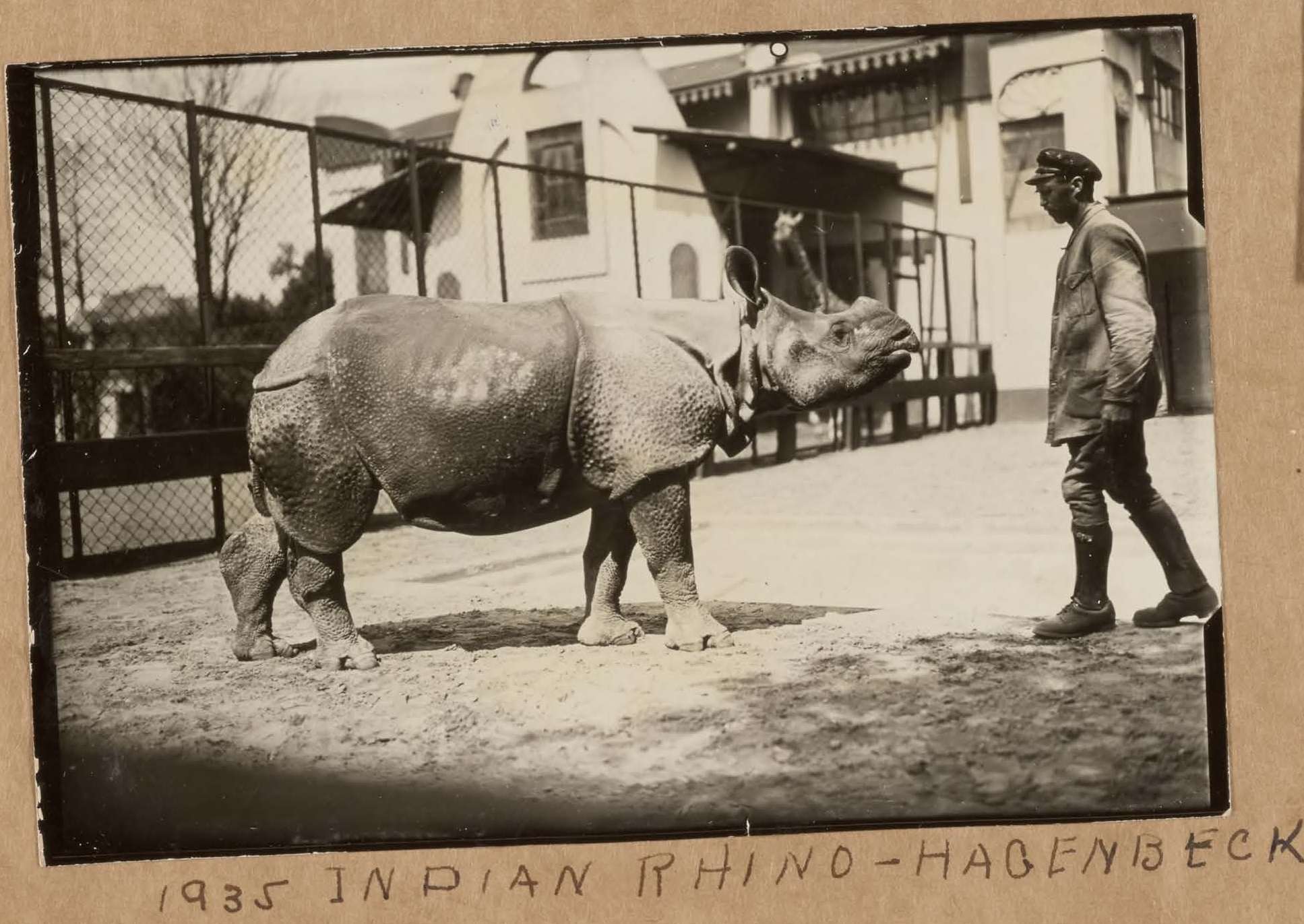
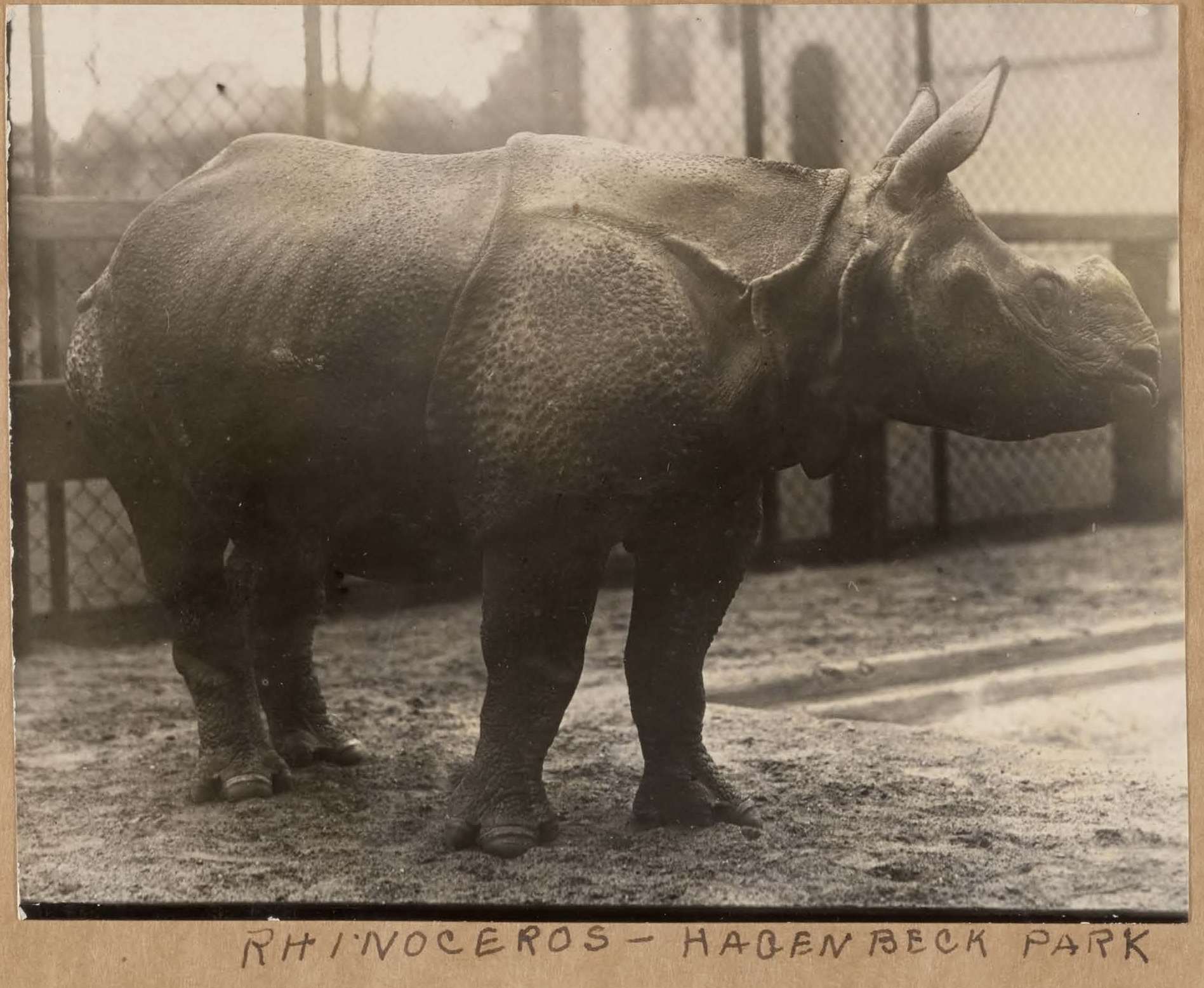
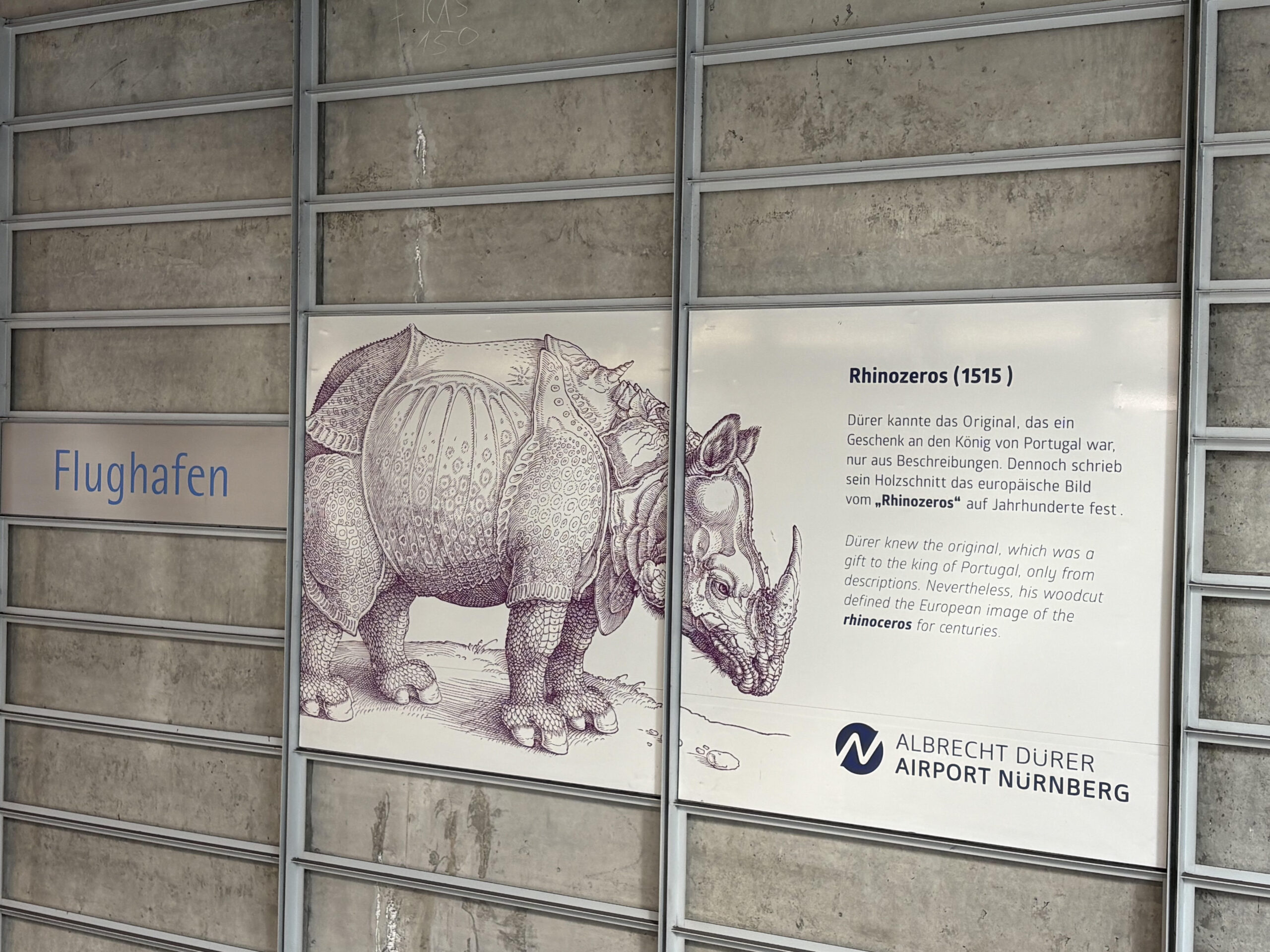
Two of the great conservation success stories of the last century belong to rhinos. The greater one-horned rhino of India and Nepal had been hunted and pushed off its floodplains until, by the start of the 20th century, fewer than 200 survived, most of them in what is now Kaziranga National Park in Assam. Strict protection, and later translocations to new reserves, brought the species to 4,075 animals in 2025. It is now listed as Vulnerable rather than Endangered.
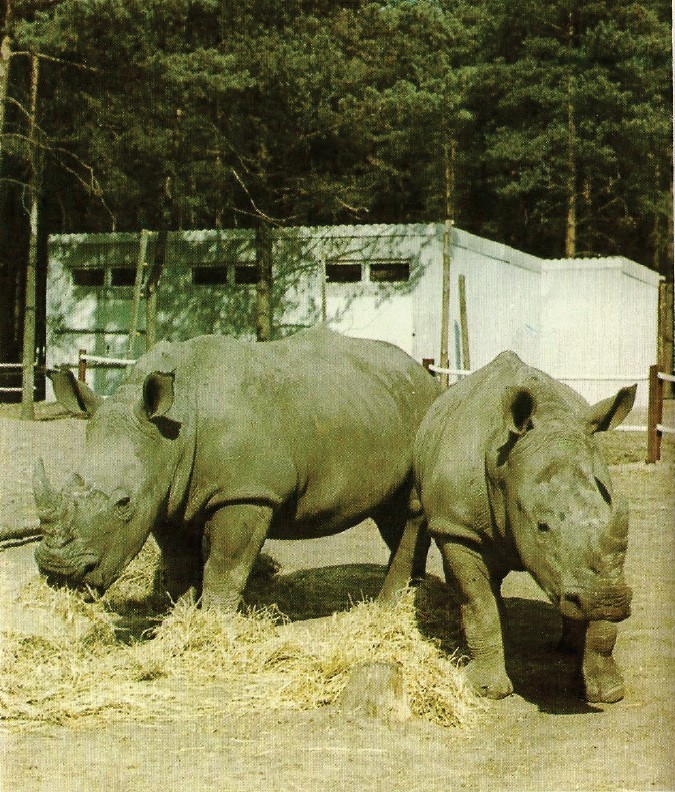
The southern white rhino was in even worse shape. In the 1890s it was assumed extinct, until a remnant of somewhere between 50 and 100 animals was found in Zululand, in what became Hluhluwe-iMfolozi Park. From that single population, protected and then carefully relocated across southern Africa, came every southern white rhino alive today: 15,752 at the last count in 2025.
The story is not all good news. The northern white rhino, the other subspecies, was not saved in time and is down to two females. And poaching has pushed white rhino numbers down again since 2023. But the recoveries prove the point: when rhinos are given space and protection, they breed their way back.
Sources
International Rhino Foundation 2025. State of the Rhino Report (for 2025). Washington, IRF. pp. 1-20.
CITES CoP19; IUCN African Rhino Specialist Group; IUCN Asian Rhino Specialist Group; Traffic 2025. African and Asian rhinoceroses – status, conservation and trade. Report Commissioned by the Secretariat of the Convention on International Trade in Endangered Species of Wild Fauna and Flora (CITES) pursuant to Resolution Conf. 9.14 (Rev. CoP19). CITES CoP20 Doc.84 Annex 3. pp. 1-93.
Sarmah, B. 2023. Reinventing nature in Kaziranga National Park: a history of rhinoceros conservation in Assam, 1948–1974. Conservation and Society 2023: 1-11.