

Ask almost anyone and they will tell you the same thing: early Dutch or Afrikaans settlers called the animal wijd (wide-mouthed), English speakers misheard it as “white”, and the other African species was called “black” by contrast. It is repeated in guidebooks, museums and on safari.
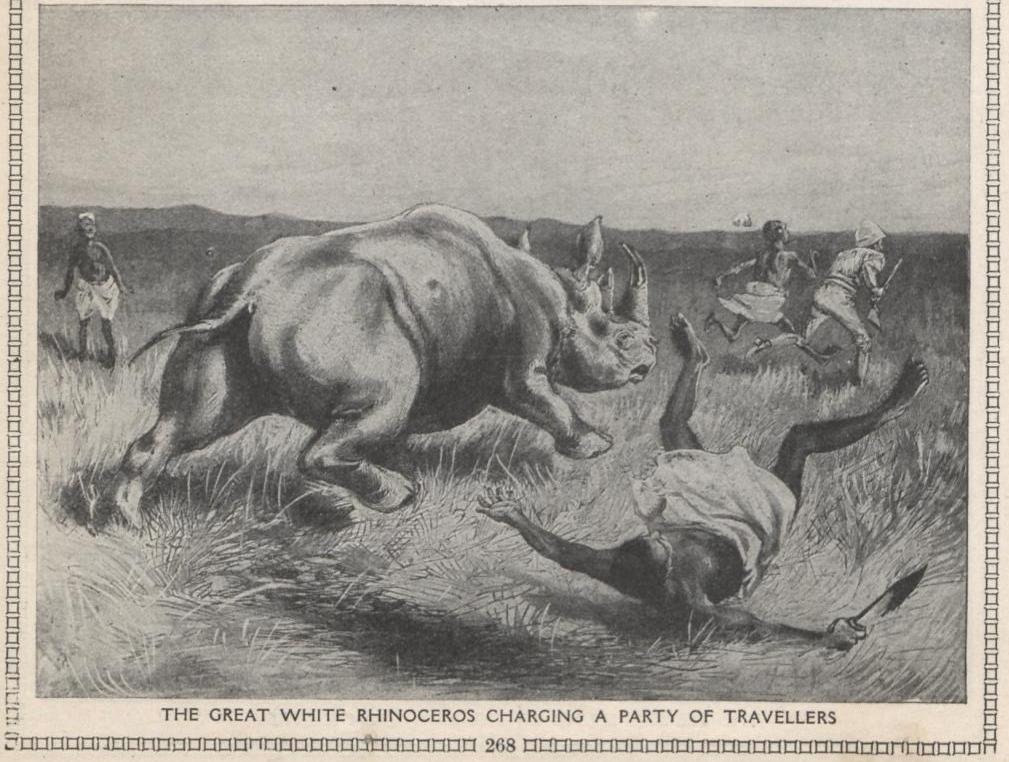
In 2003 Kees Rookmaaker, the founder of the Rhino Resource Center, went looking for the evidence and found none. Not a single 18th- or 19th-century Dutch, Afrikaans or English source uses wijd, weit or any similar word for the animal. The species was first described scientifically by William Burchell in 1817, without a common name at all. In the 1820s and 1830s it was known as “Burchell’s rhinoceros” or the “flat-nosed rhinoceros”, and only from the 1830s onwards do “white” and “black” settle into regular use.
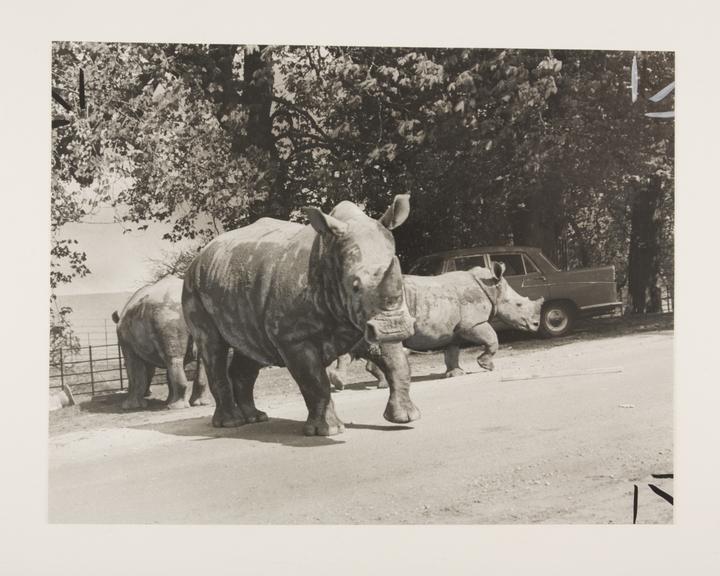
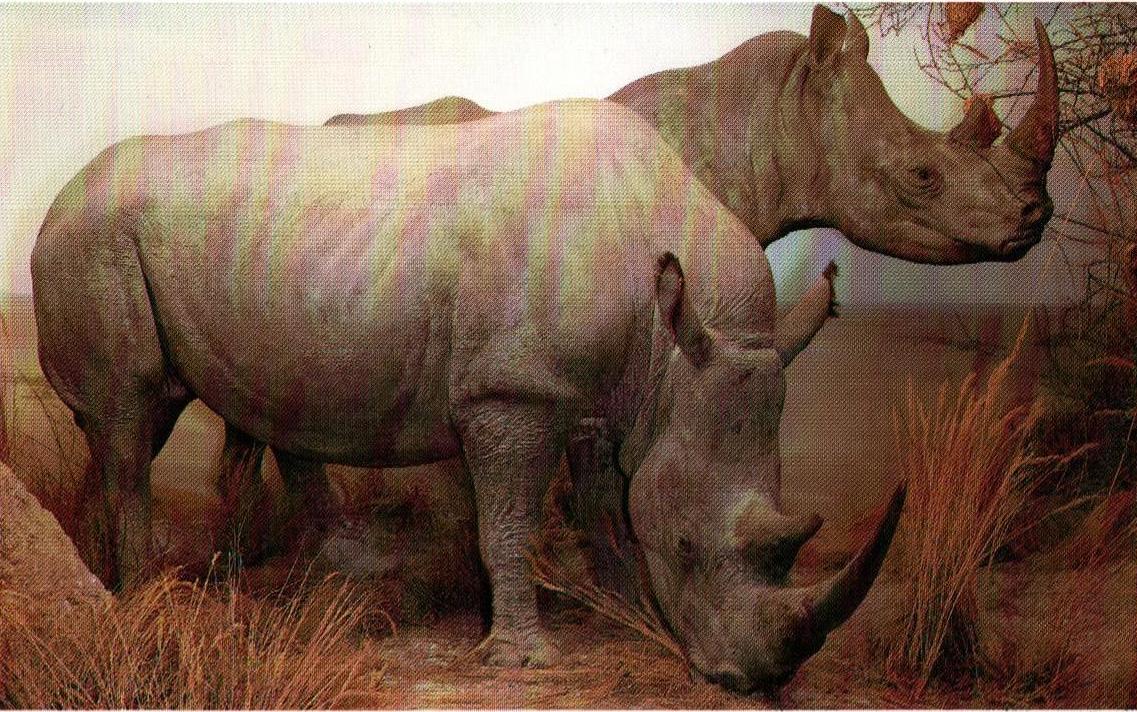
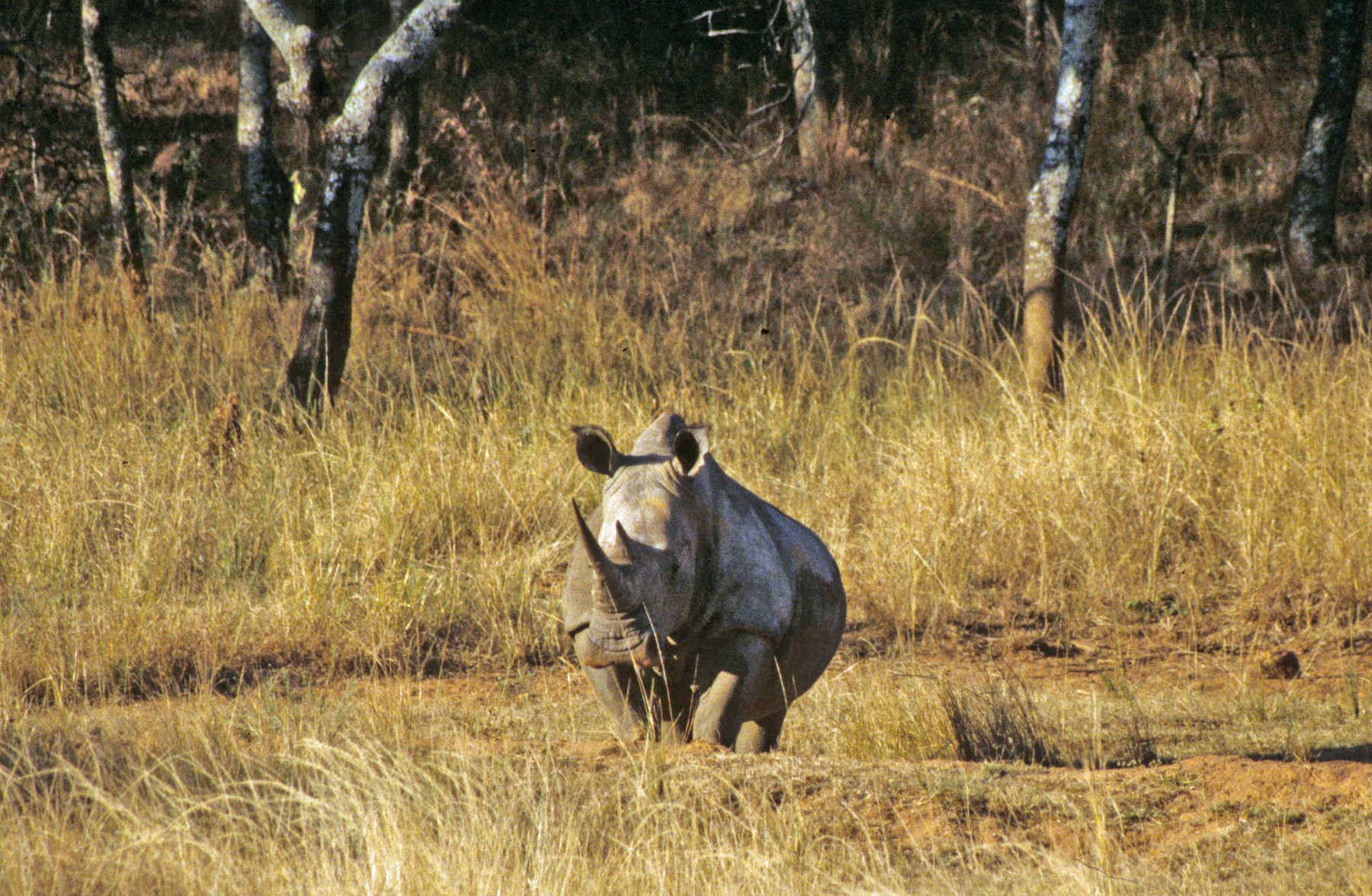
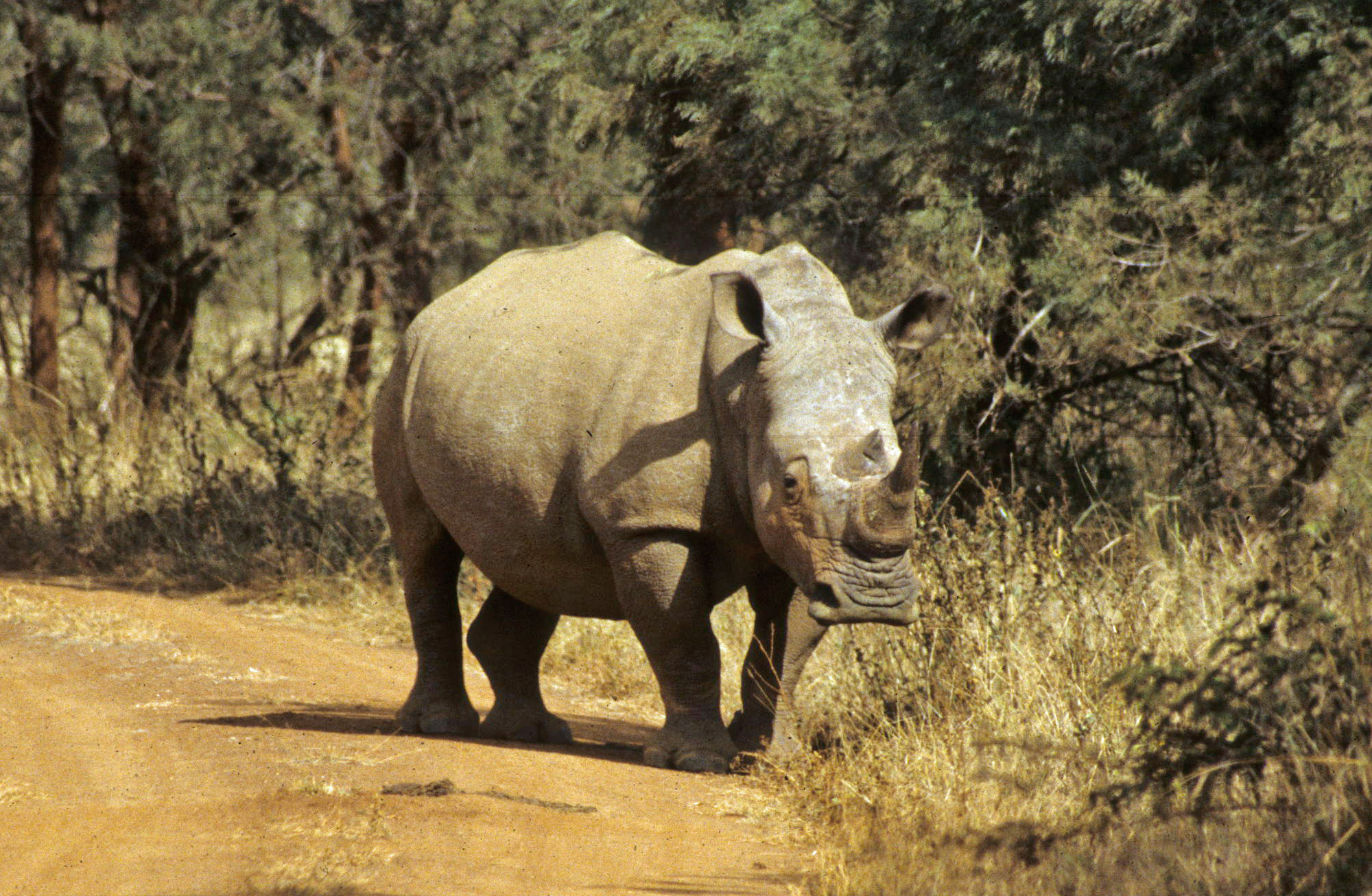
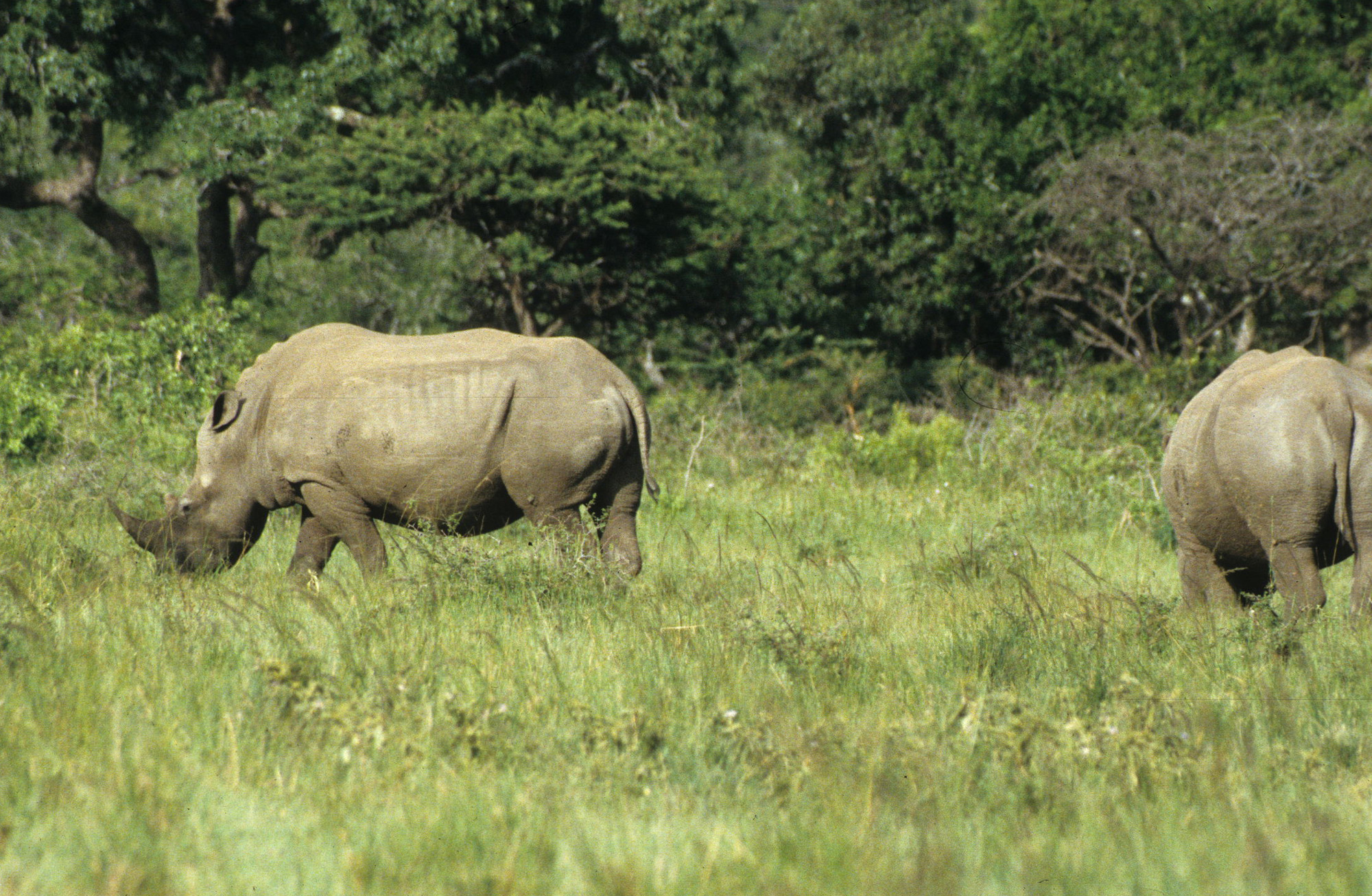
So the honest answer is that the origin of the name is unknown. The one thing that is certain is that it has nothing to do with colour: both African species are a muddy grey, and often the colour of whatever they last wallowed in.
Sources
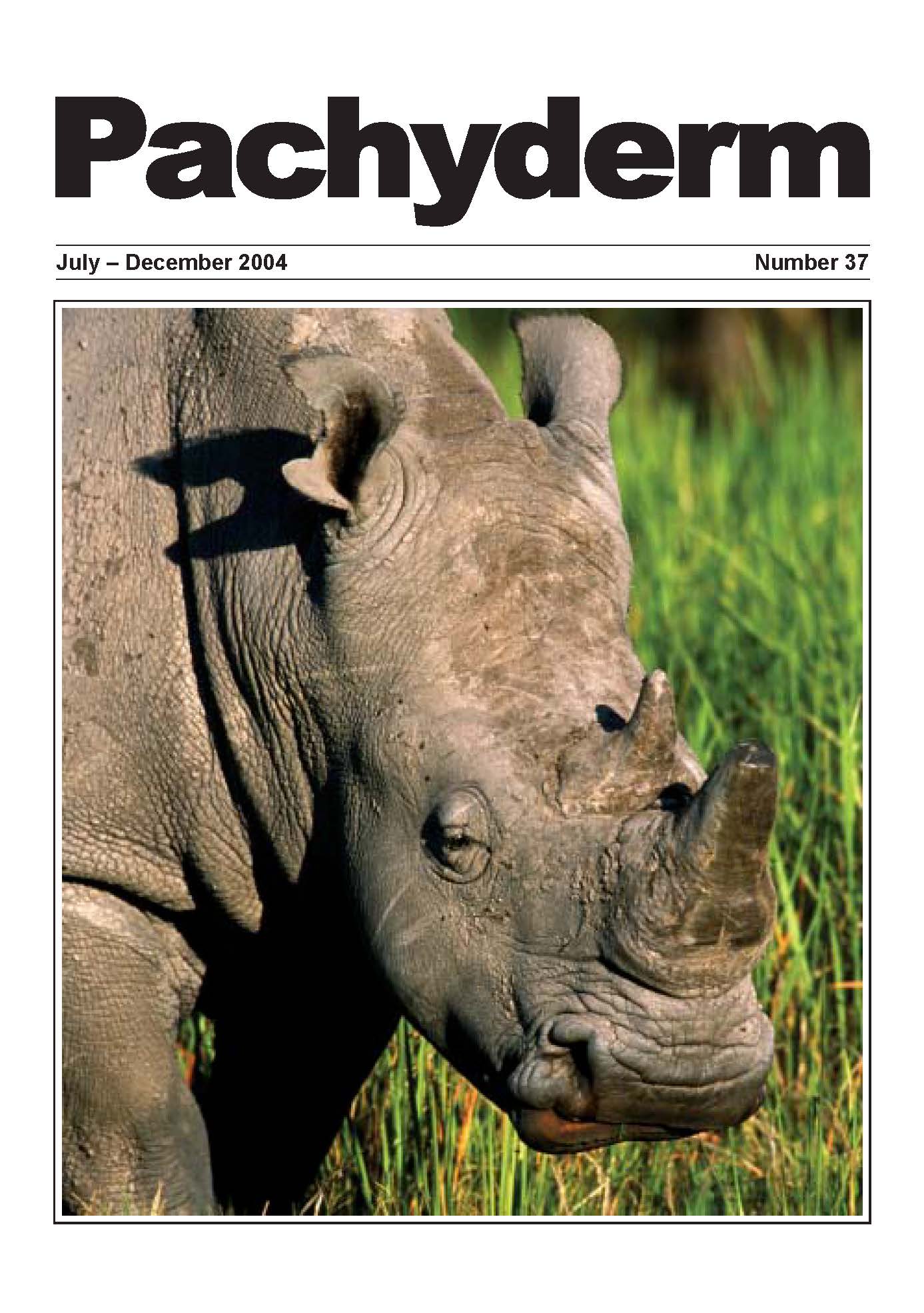
Rookmaaker, L.C. 2003. Why the name of the white rhinoceros is not appropriate. Pachyderm 34: 88-93, pl. 1.
Rookmaaker, L.C. 2019. Debunked: the name of the white rhinoceros. Pachyderm 60: 131-132.
Rookmaaker, L.C. 2005. Review of the European perception of the African rhinoceros. Journal of Zoology, London 265: 365-376, figs. 1-9.