

 Rhino facts
Stone Age artists in Europe painted rhinos
Rhinos lived in Europe until the end of the last Ice Age. In the Chauvet cave in southern France, painted around 36,000 years ago, woolly rhinos are among the most common animals on the walls. Read moreThe biggest land mammal that ever lived
Paraceratherium was a hornless rhino that stood almost five metres at the shoulder and weighed somewhere between 11 and 20 tonnes. Nothing that walked on land has been heavier since the dinosaurs. Read moreA real ‘unicorn’ rhino lived alongside modern humans
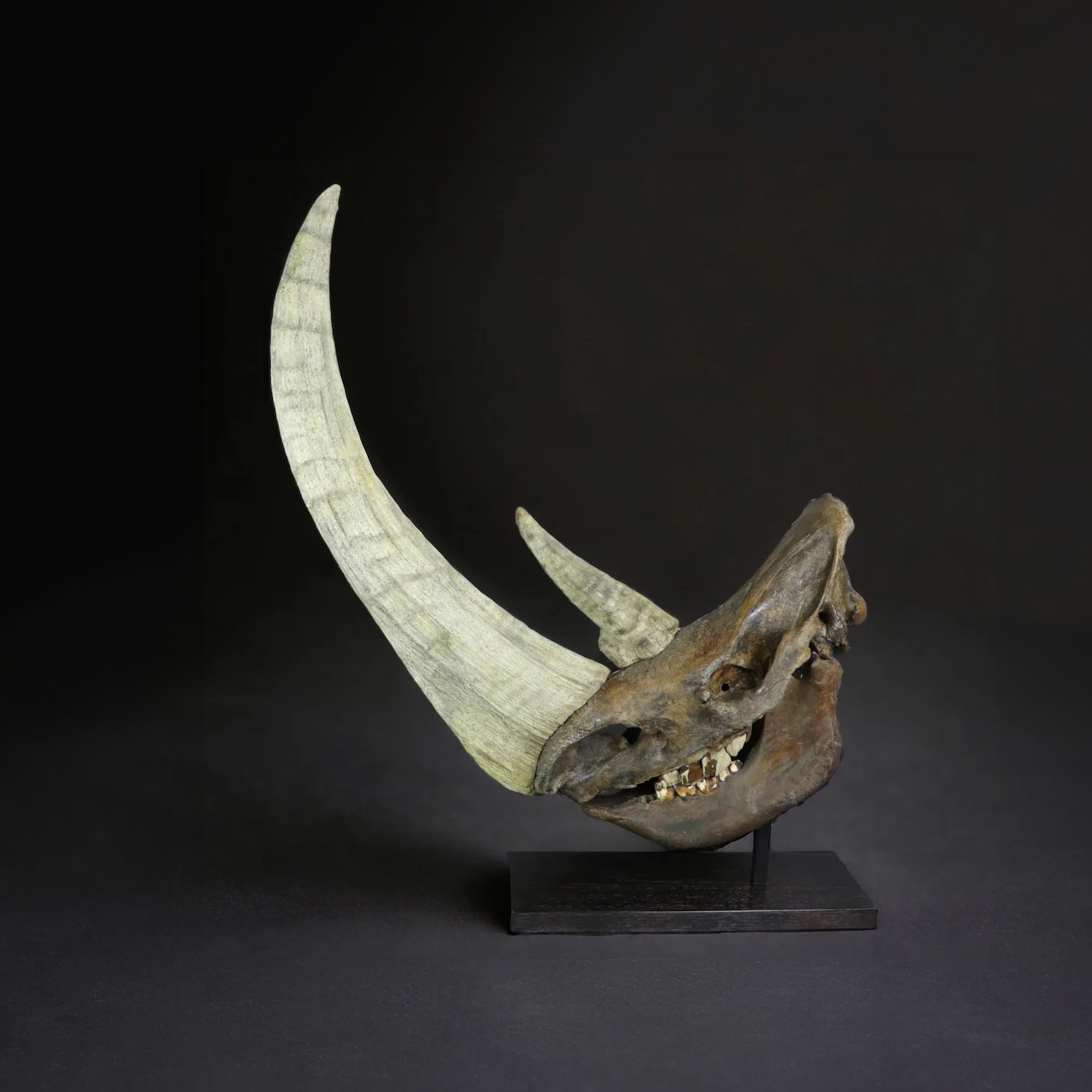
Elasmotherium sibiricum, the so-called Siberian unicorn, weighed up to 3.5 tonnes and carried a single enormous horn. It was long thought to have died out 200,000 years ago. Radiocarbon dating now shows it survived until at least 39,000 years ago. Read moreA rhino pregnancy lasts nearly a year and a half
All five rhino species carry their young for 15 to 16 months, one of the longest pregnancies of any land mammal. A female produces a single calf, and then not another for three or four years. Read moreEurope’s most famous rhino portrait was wrong for 250 years
In 1515 Albrecht Dürer made a woodcut of a rhinoceros he had never seen. It gave the animal armour plates, scales and a second horn on its neck, and it remained Europe's standard image of a rhino until the late 18th century. Read moreThe Sumatran rhino sings like a whale
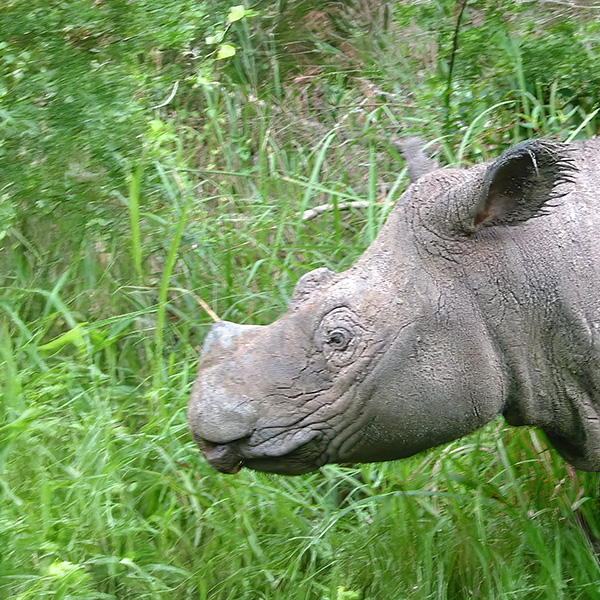
The smallest and hairiest rhino is also the most talkative. One of its three call types sounds so much like a humpback whale that the scientists who recorded it simply named it the 'whale'. Read moreRhinos are not as short-sighted as their reputation
Rhinos are famous for terrible eyesight. Measured properly, a black rhino's vision is about one-tenth as sharp as a human's, roughly the same as a rabbit's, and good enough to pick out a person 200 metres away. Read moreBlack rhinos have bodyguards with wings
In Swahili the red-billed oxpecker is askari wa kifaru, "the rhino's guard". Research shows the name is earned: a black rhino carrying oxpeckers spots an approaching human every single time. Read moreNobody knows why the white rhino is called ‘white’
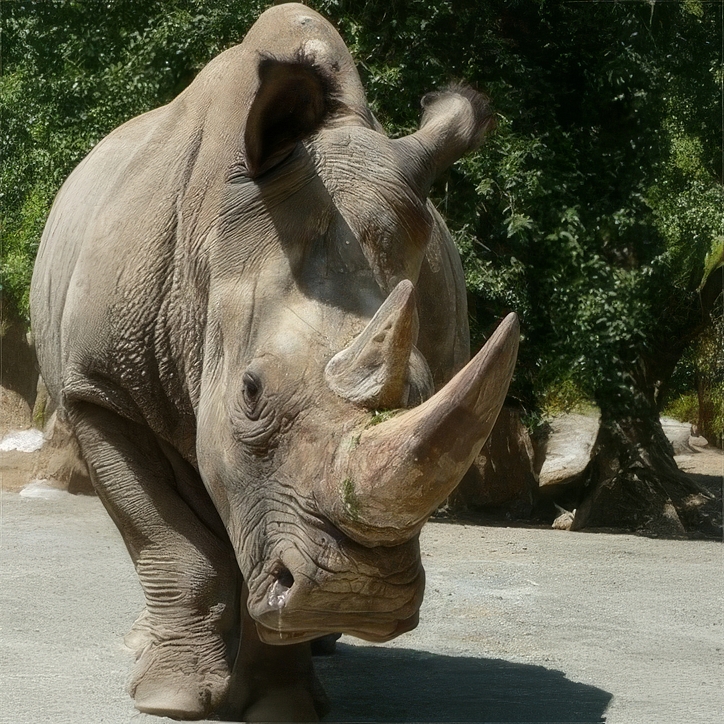
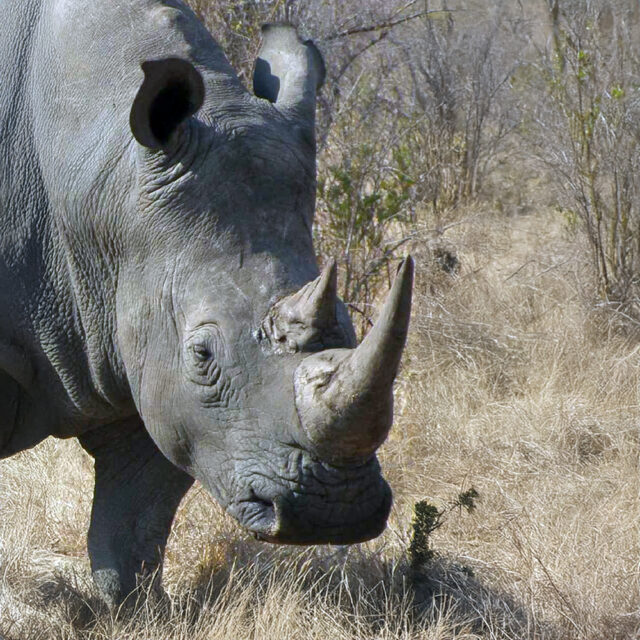
The white rhino is grey. The popular story says its name is a corruption of the Dutch word wijd (wide), for its wide mouth. There is one problem: no historical source has ever been found that uses it. Read moreRhino dung is a social network
A pile of rhino dung is a message board. From its smell alone, another rhino can tell the sex, age and status of the animal that left it, and even whether a female is ready to mate. Read moreRhinos have complex social lives
Far from being solitary brutes, rhinos display surprising social intelligence. They communicate through an elaborate system of scent marks, vocalisations, and shared middens (dung piles) that serve as community message boards. Read moreRhinos are ecological engineers
By creating paths, wallows, and dispersing seeds through their dung, rhinos shape entire ecosystems. A single white rhino can produce 20 kilograms of dung daily, fertilising the landscape and spreading plant seeds. Read moreRhinos can run faster than you think
Despite weighing up to 2300 kilograms, rhinos can sprint at speeds of 50 kilometres per hour — faster than most humans can run even without carrying a tonne of body weight. Read moreRhino horns are not what they seem
Unlike elephant tusks or cattle horns, rhino horns are made entirely of keratin — the same protein found in human hair and fingernails. They're essentially compressed hair that grows continuously throughout the rhino's life. Read moreRhinos can come back from the brink
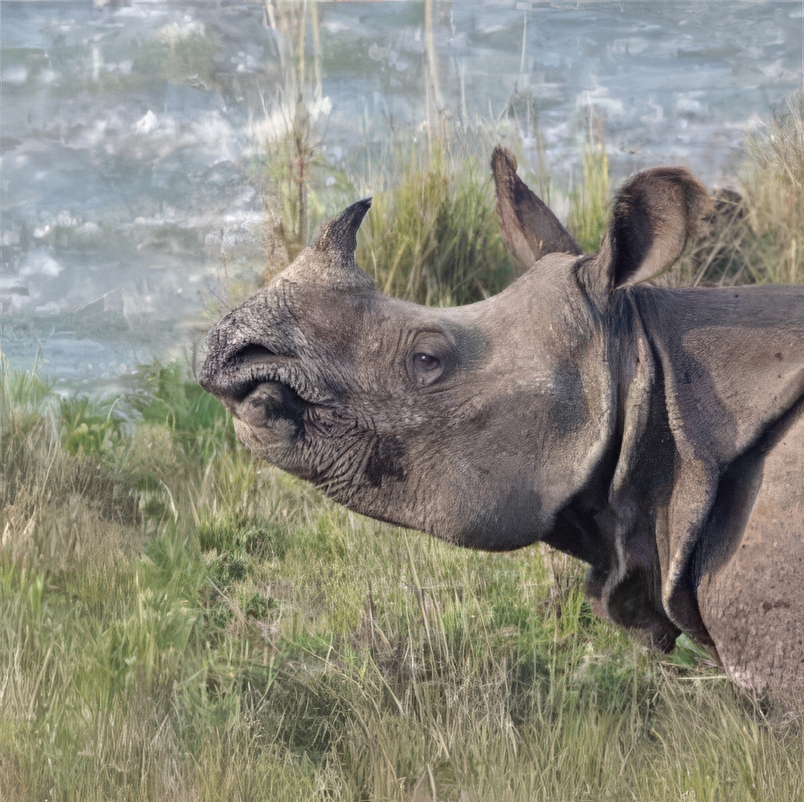
By 1900 fewer than 200 greater one-horned rhinos and perhaps 50 to 100 southern white rhinos were left alive. Today there are around 4,000 of the first and nearly 16,000 of the second. Read more