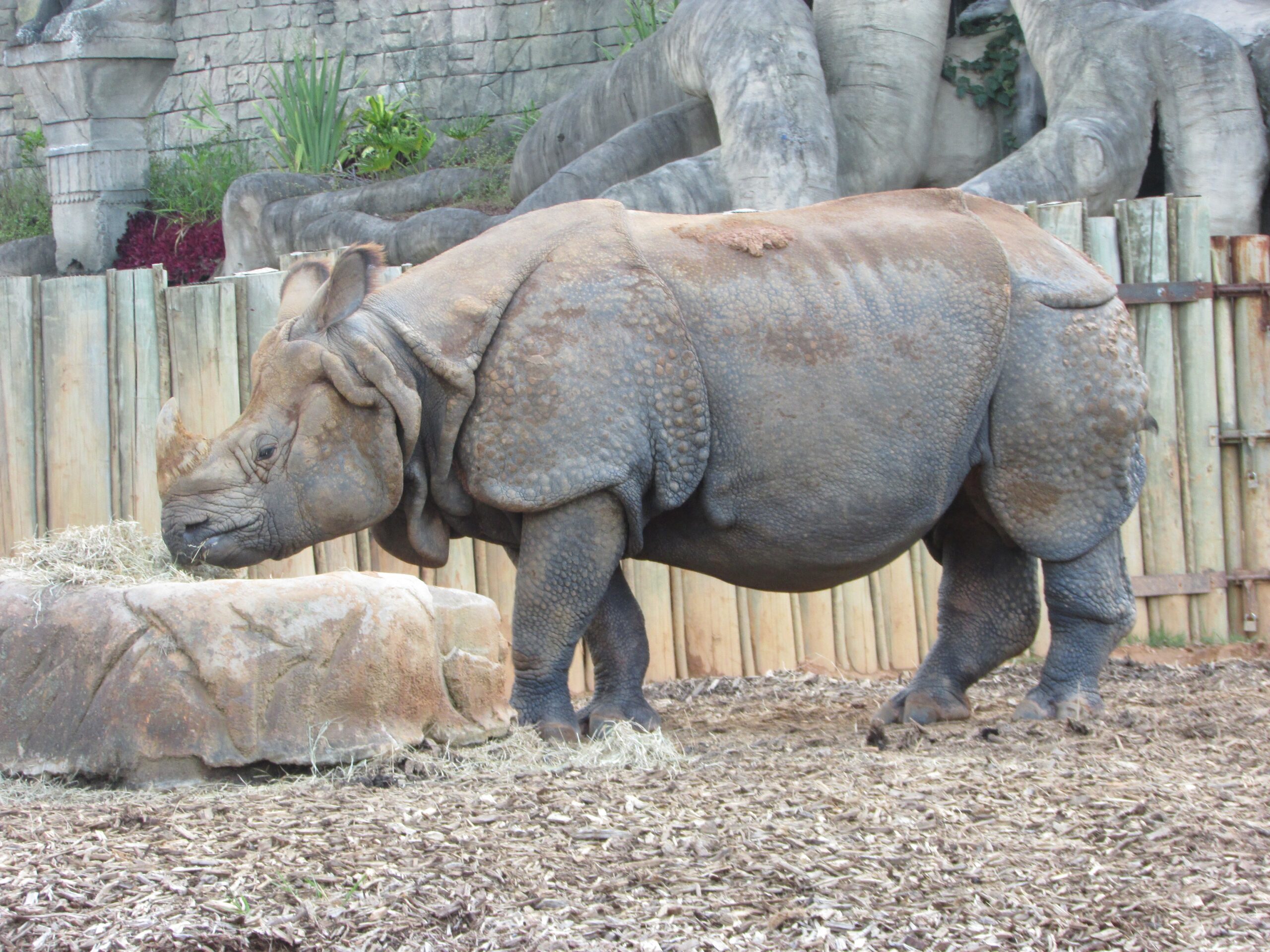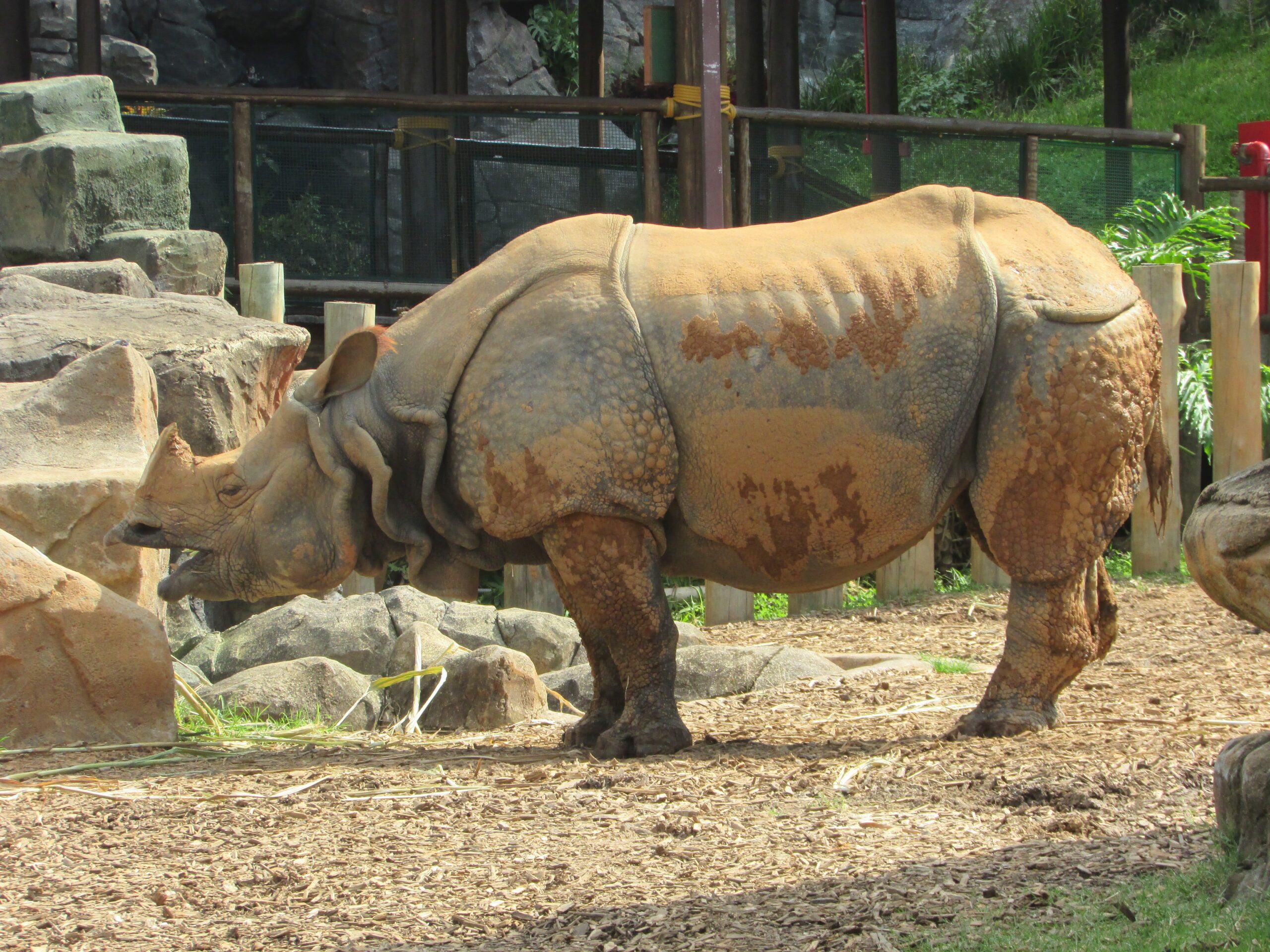


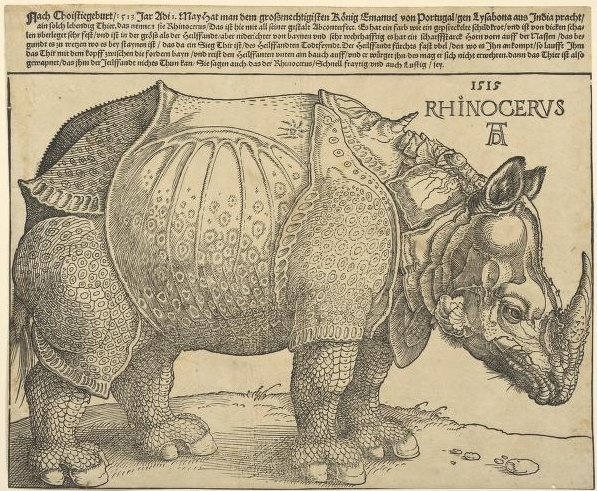
The animal in question was a greater one-horned rhino from Gujarat, sent by Sultan Muzaffar II to King Manuel I of Portugal. It arrived in Lisbon in May 1515, the first living rhino seen in Europe since Roman times, and caused a sensation. A description and a sketch made their way to Nuremberg, where Dürer worked them up into a woodcut without ever setting eyes on the animal.
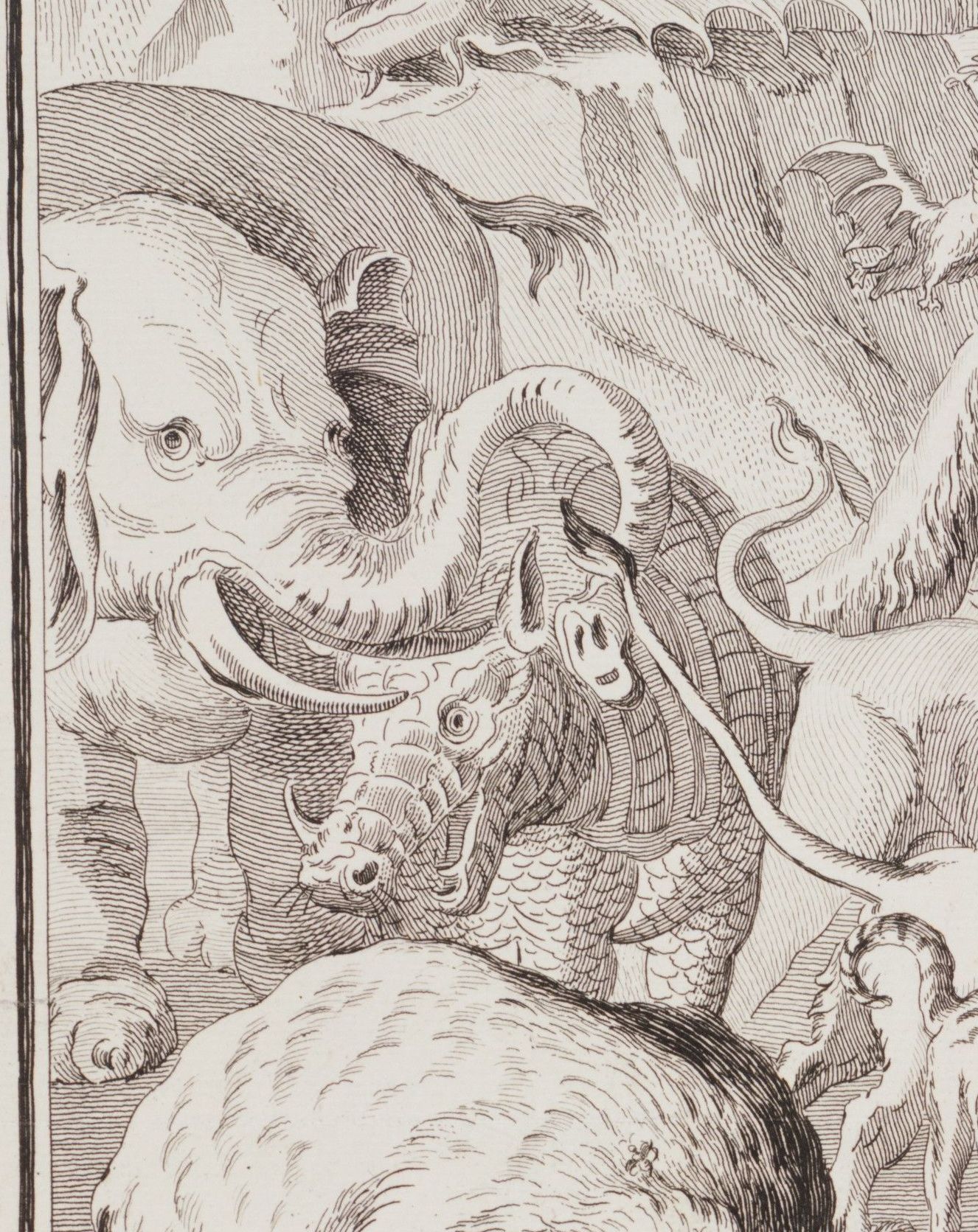
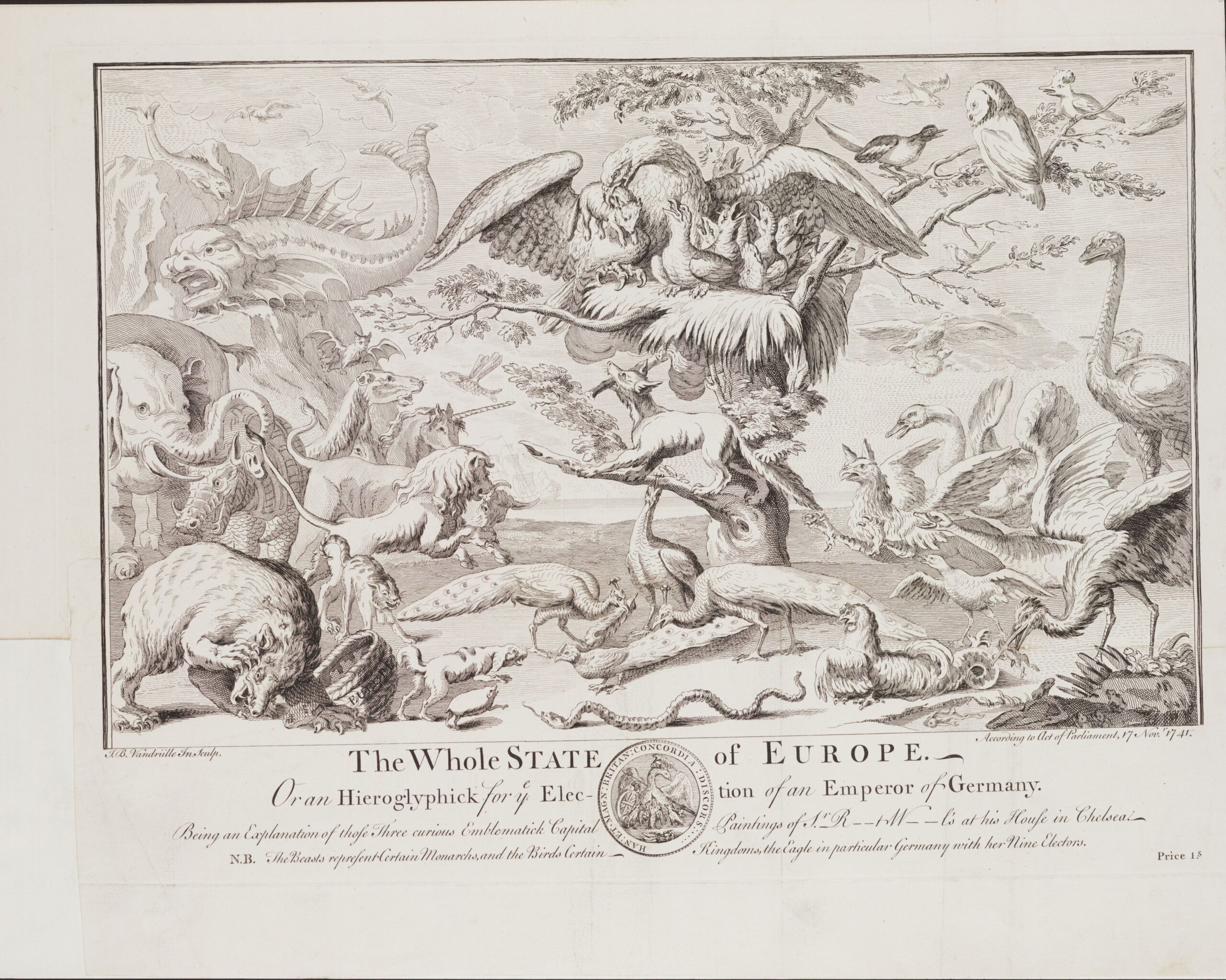
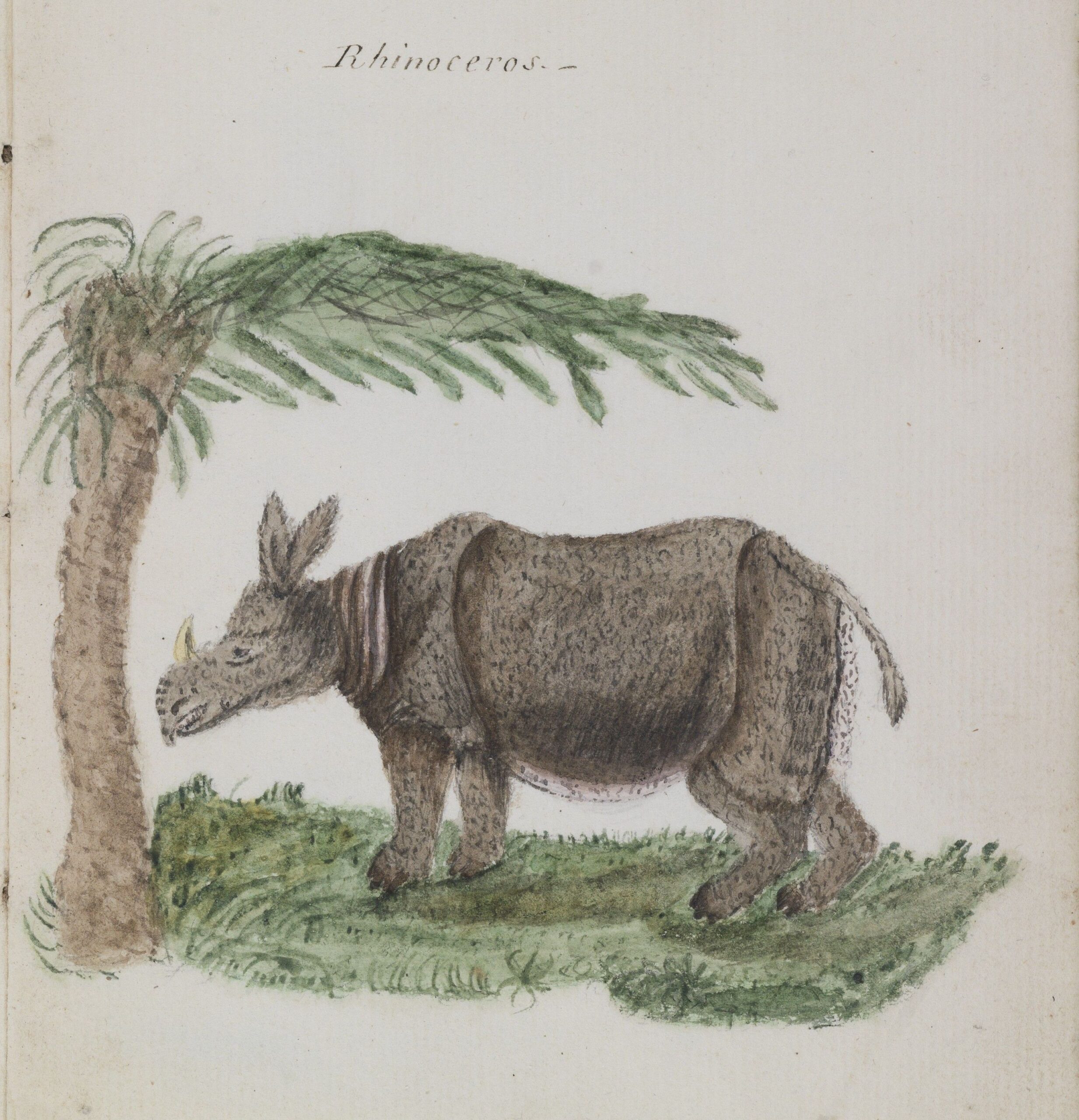
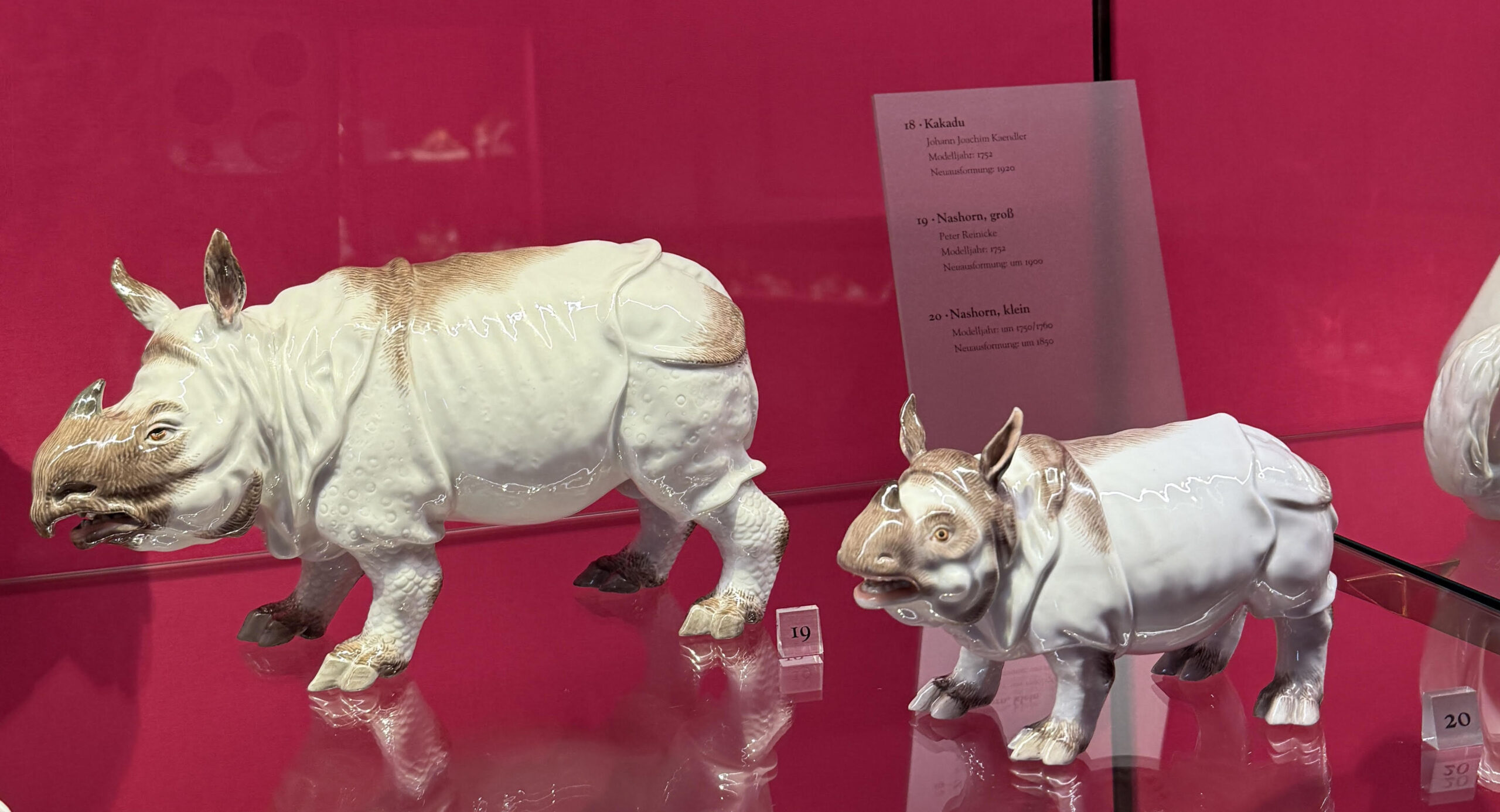
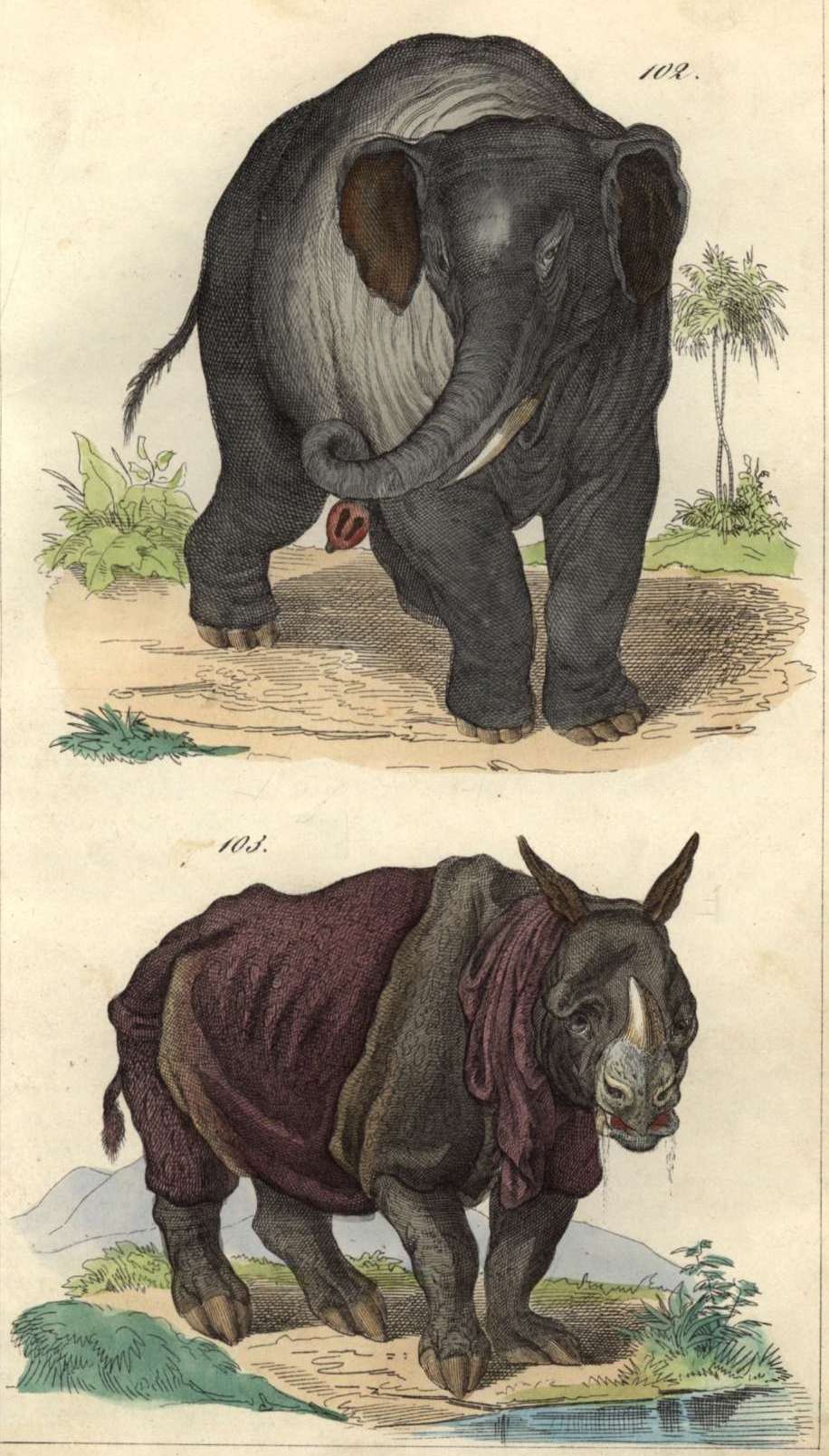
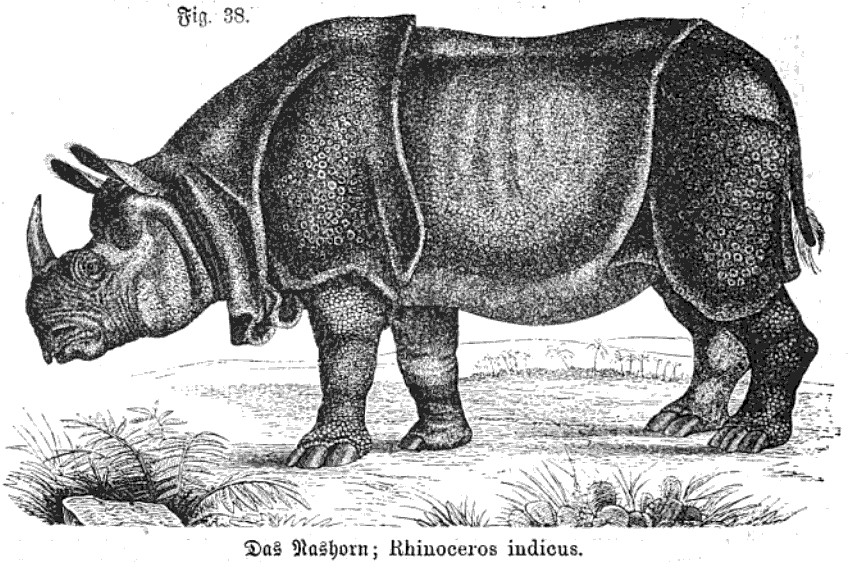
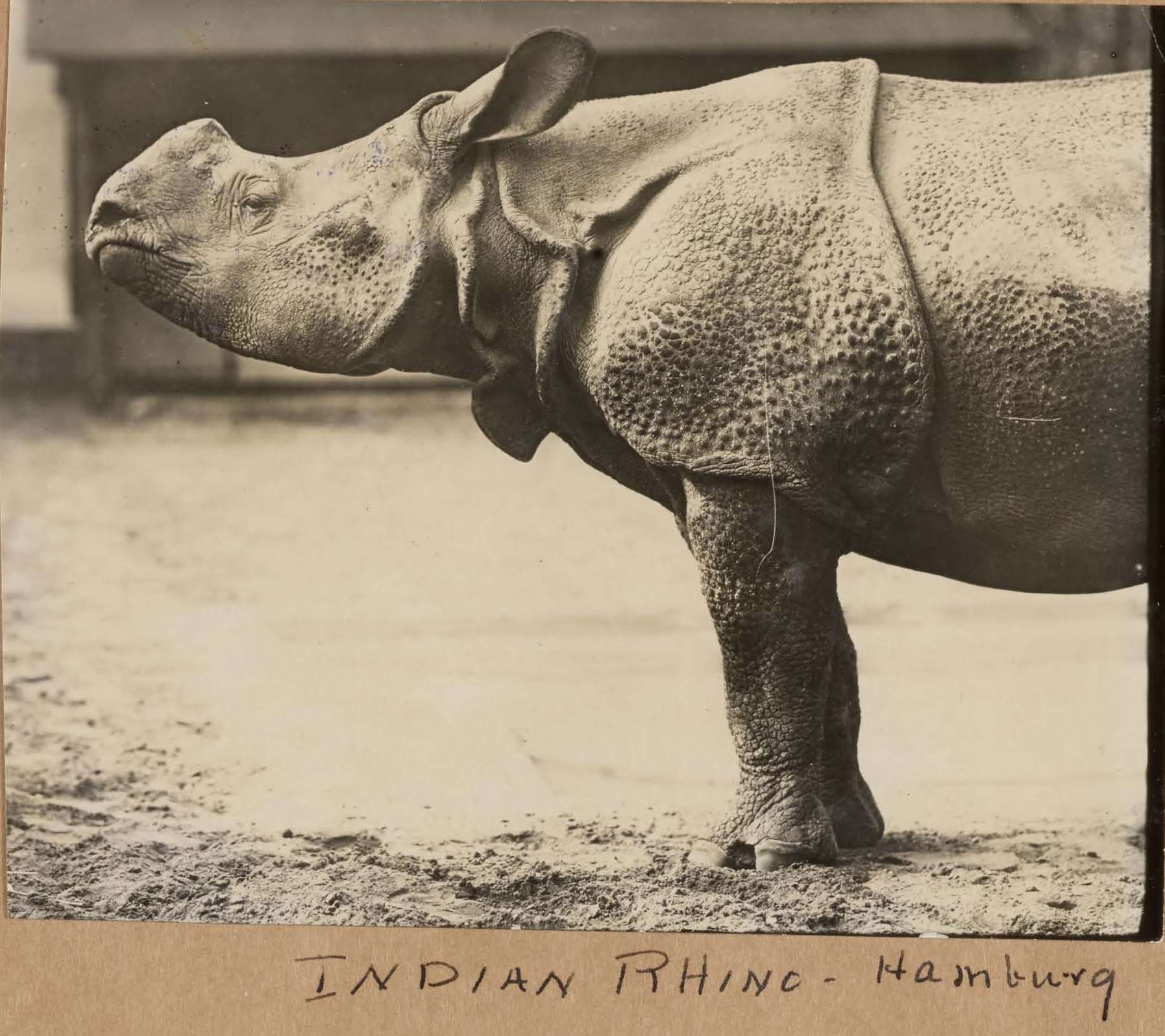
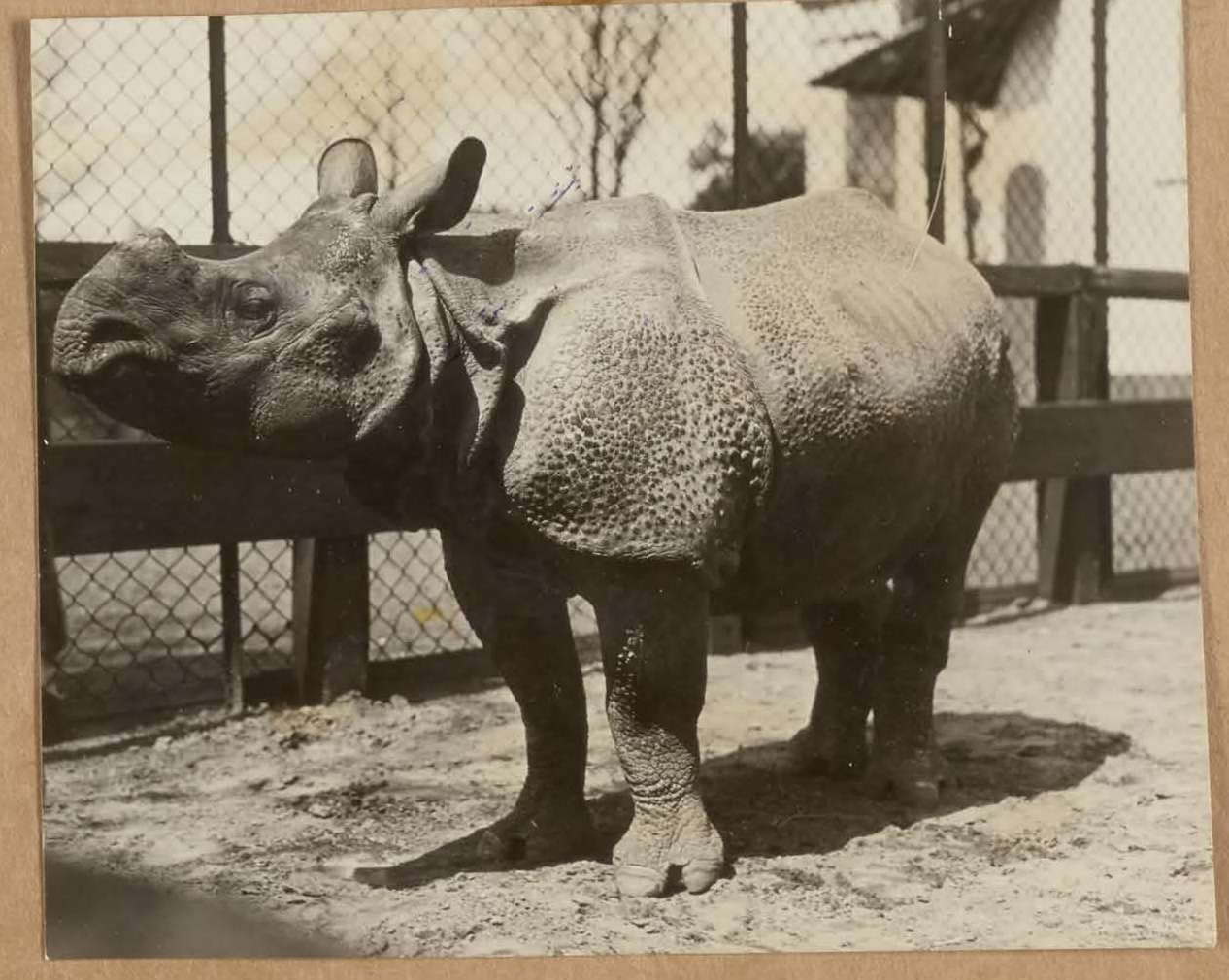
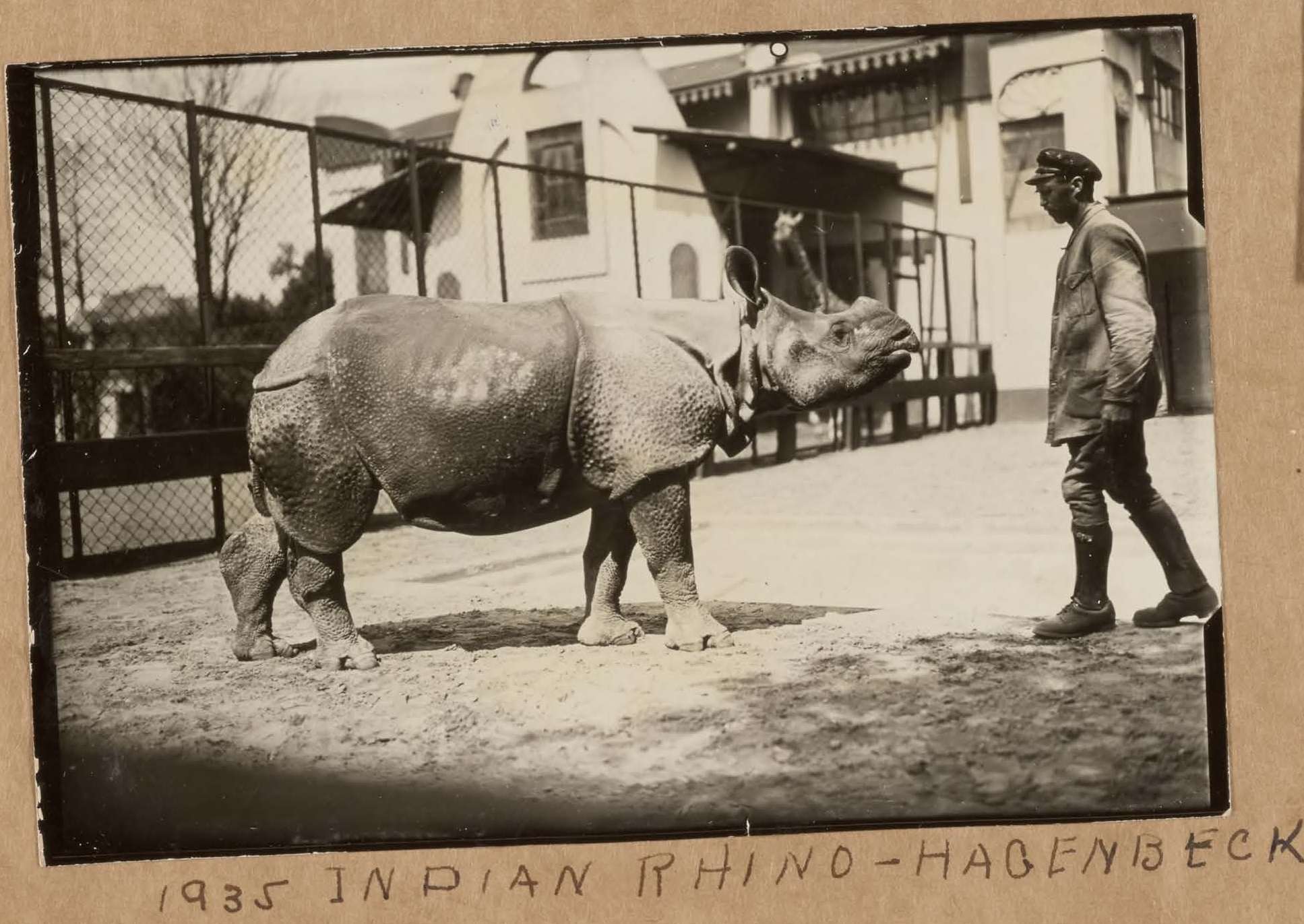
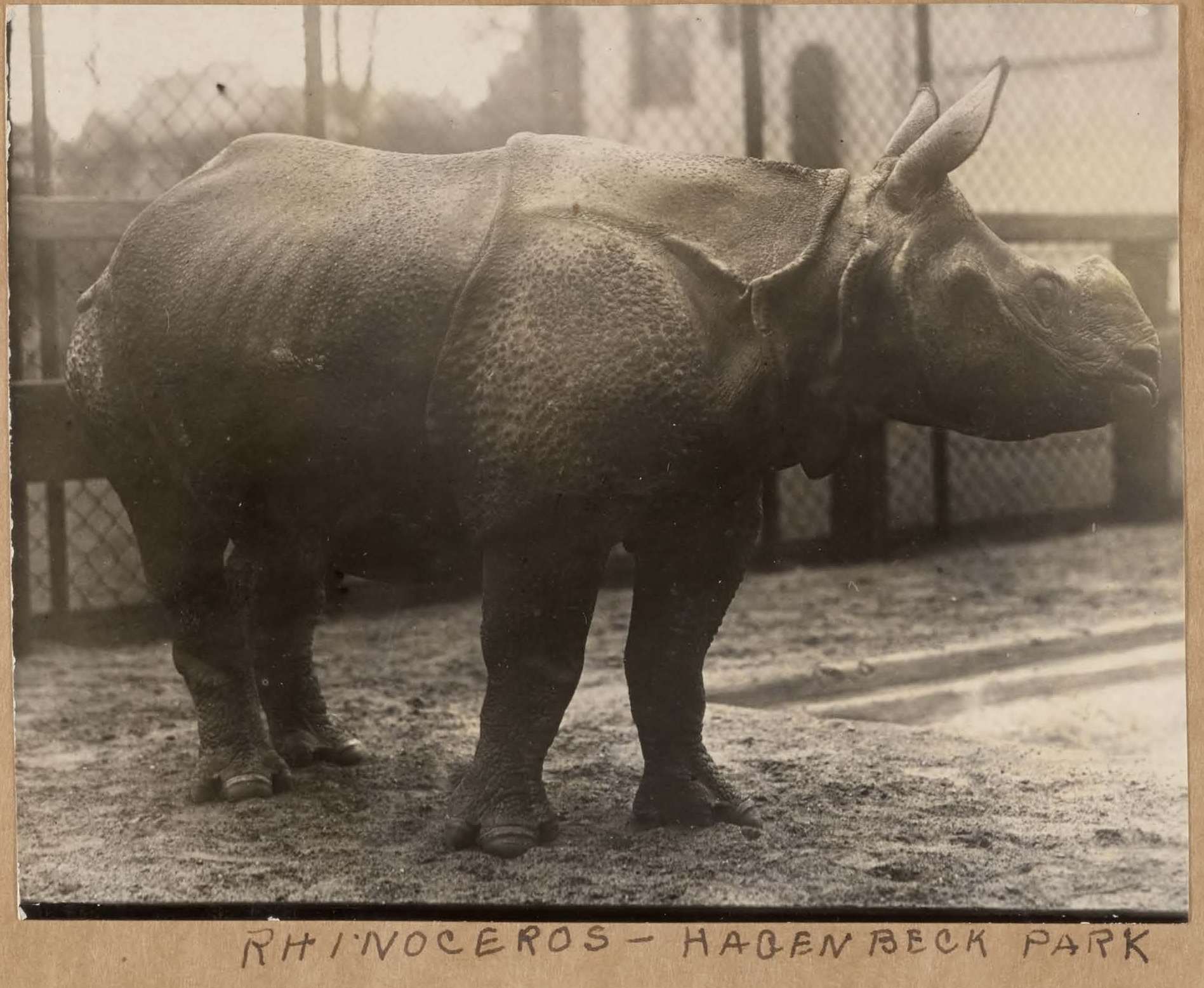
The result is magnificent and mostly wrong. The rhino wears what look like riveted plates of armour, its legs are scaled, and a small twisted horn sprouts from its shoulders. Some of this may have come from the sketch; the rhino had been fitted out for a planned fight with an elephant. None of it stopped the image being copied into natural history books for the next two and a half centuries.
The rhino itself fared worse. Manuel decided to send it on as a gift to Pope Leo X. The ship went down off the coast of Italy in early 1516 and the animal, chained on deck, drowned. Dürer’s print outlived it by a very long way and is still one of the most reproduced images of any animal.
Sources
Rookmaaker, L.C.; Monson, J.; Billia, E.M.E. 2024. Early depictions of the first Lisbon rhinoceros in the 16th century.Pachyderm 65: 168-179.
Clarke, T.H. 1973. The iconography of the rhinoceros from Durer to Stubbs, part I: Durer’s Ganda. Connoisseur 1973 September: 2-13, figs. 1-18.
Belles, X. 2026. The rhinoceroses of Durer and Burgkmair: two different visions of the same animal. Animal History 2026: 1-21.