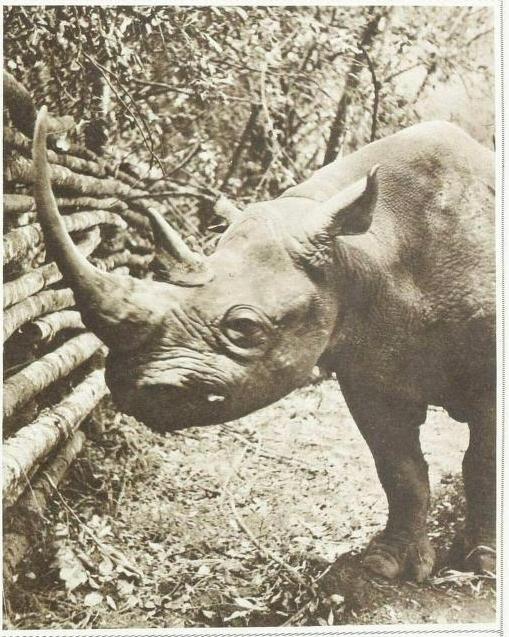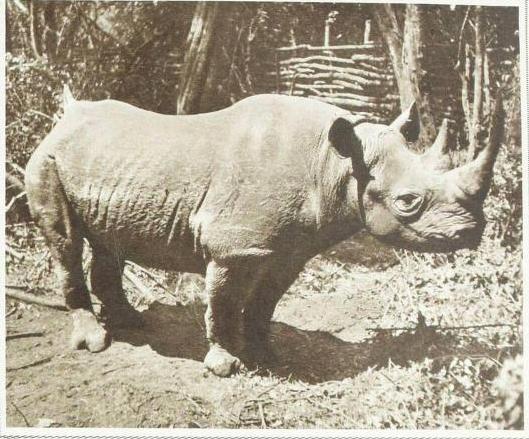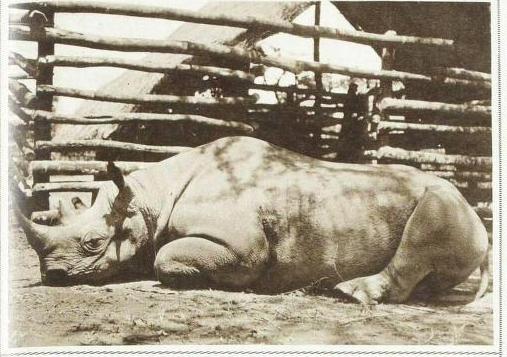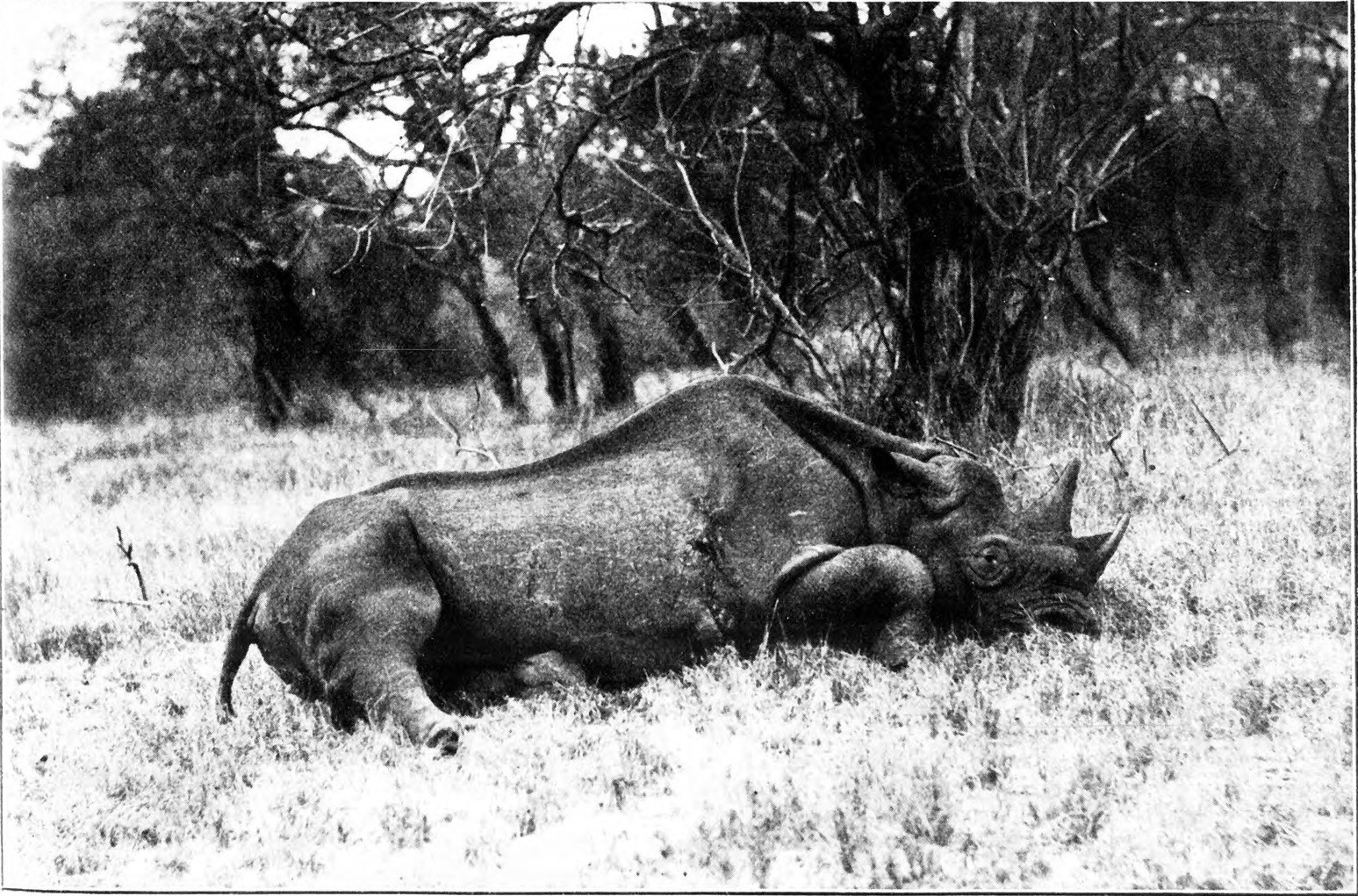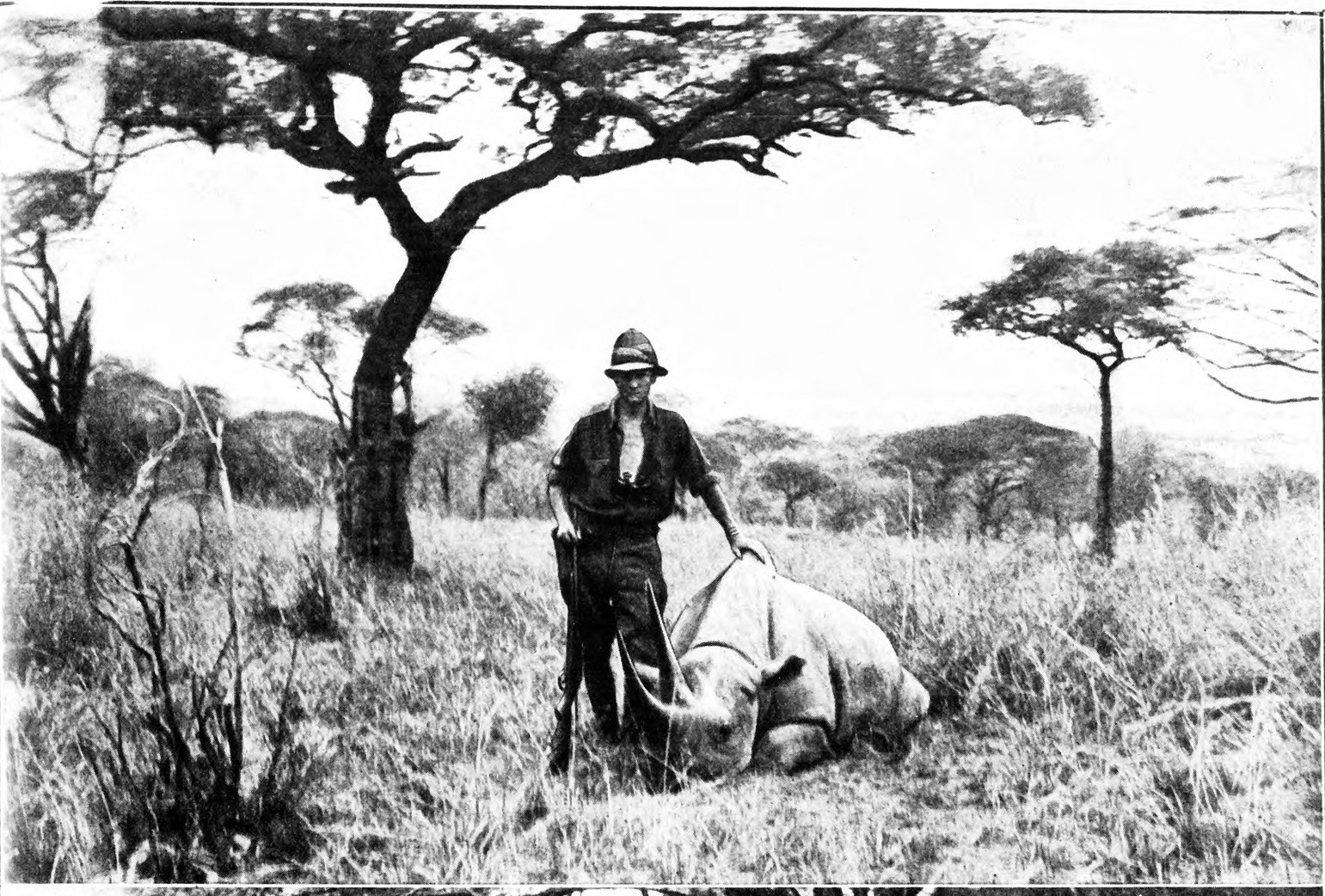


“Rhinos can’t see past 30 metres” is one of the most repeated claims about the animal, and it is not quite right. In 2008 two neuroscientists counted the light-sensing cells in the retina of a black rhino to calculate its visual resolution. The answer was around 6 cycles per degree. A human manages about 60, a domestic cat about 9, and a rabbit about 6. Seals, dolphins and rats all see less sharply than a rhino.
From those figures the researchers worked out that, against a suitable background, a black rhino should be able to distinguish a standing human at about 200 metres. That is hardly blind. What rhinos lack is not resolution but priority: their eyes sit on the sides of the head, they have little colour vision, and they simply rely far more on their nose and ears. A rhino that catches an unfamiliar scent will often turn to face it before it has seen anything at all.
The reputation for poor eyesight probably comes from rhinos’ habit of charging at things they cannot identify, and from how close a downwind observer can get to one before it reacts. Both say more about the rhino’s caution than about its eyes.
Sources
Pettigrew, J.D.; Manger, P.R. 2008. Retinal ganglion cell density of the black rhinoceros (Diceros bicornis): calculating visual resolution. Visual Neuroscience 25: 215-220, figs. 1-2, tab. 1.
Coimbra, J.P.; Manger, P.R. 2017. Retinal ganglion cell topography and spatial resolving power in the white rhinoceros (Ceratotherium simum). Journal of Comparative Neurology 525: 2484-2496.
Howland, H.C.; Howland, M.; Murphy, C.J. 1993. Refractive state of the rhinoceros. Vision Research 33 (18): 2649-2651, fig. 1.