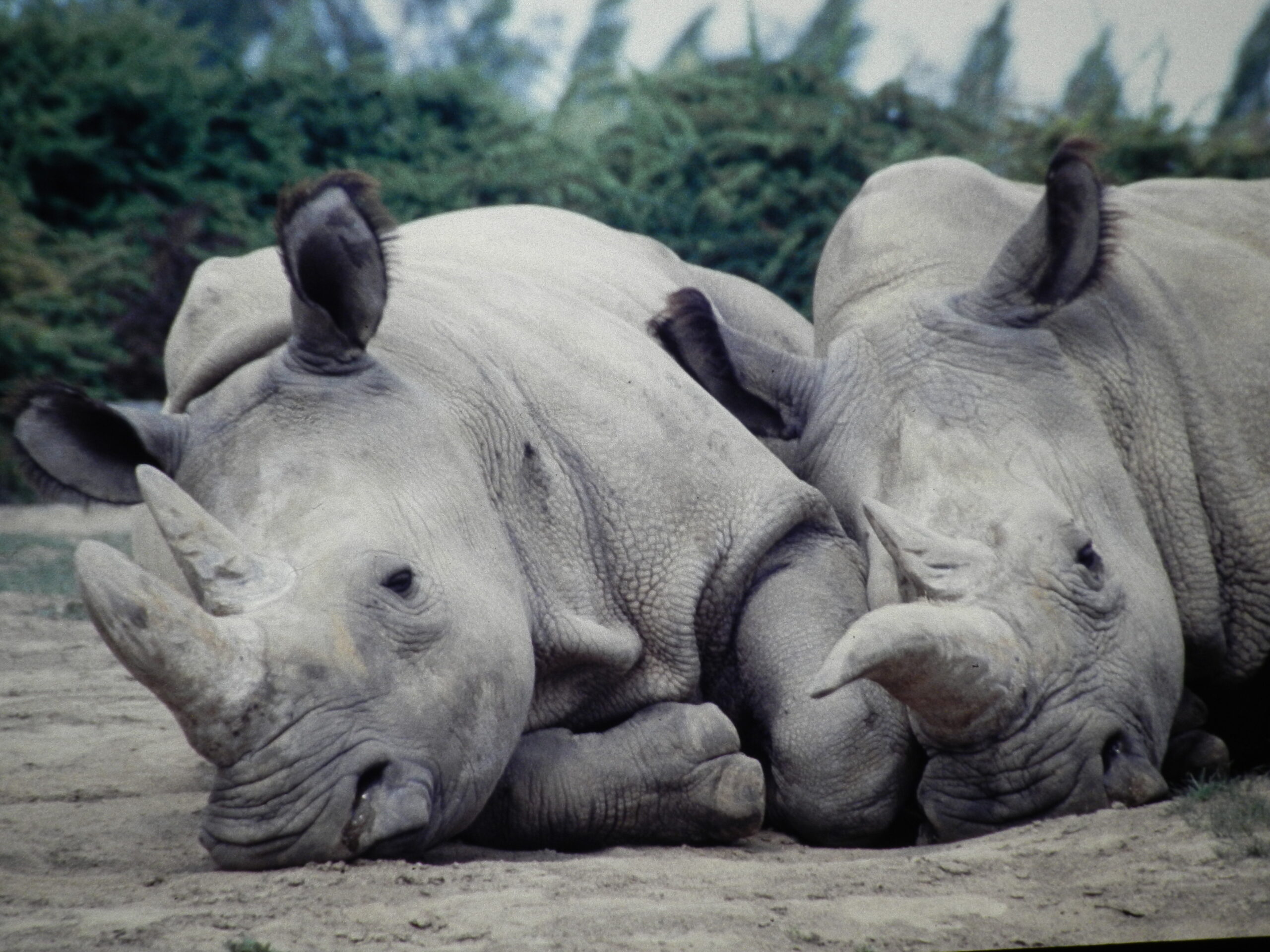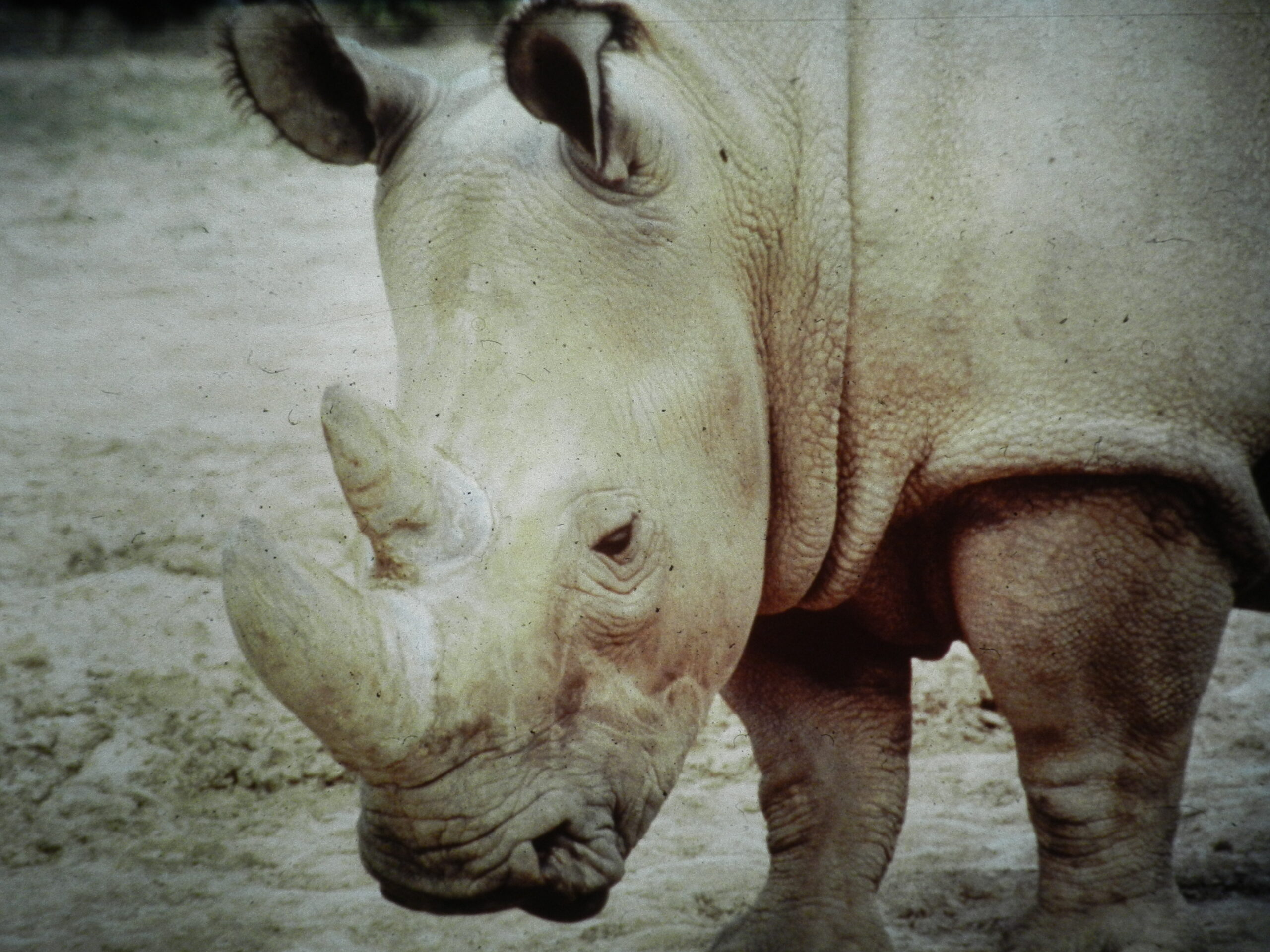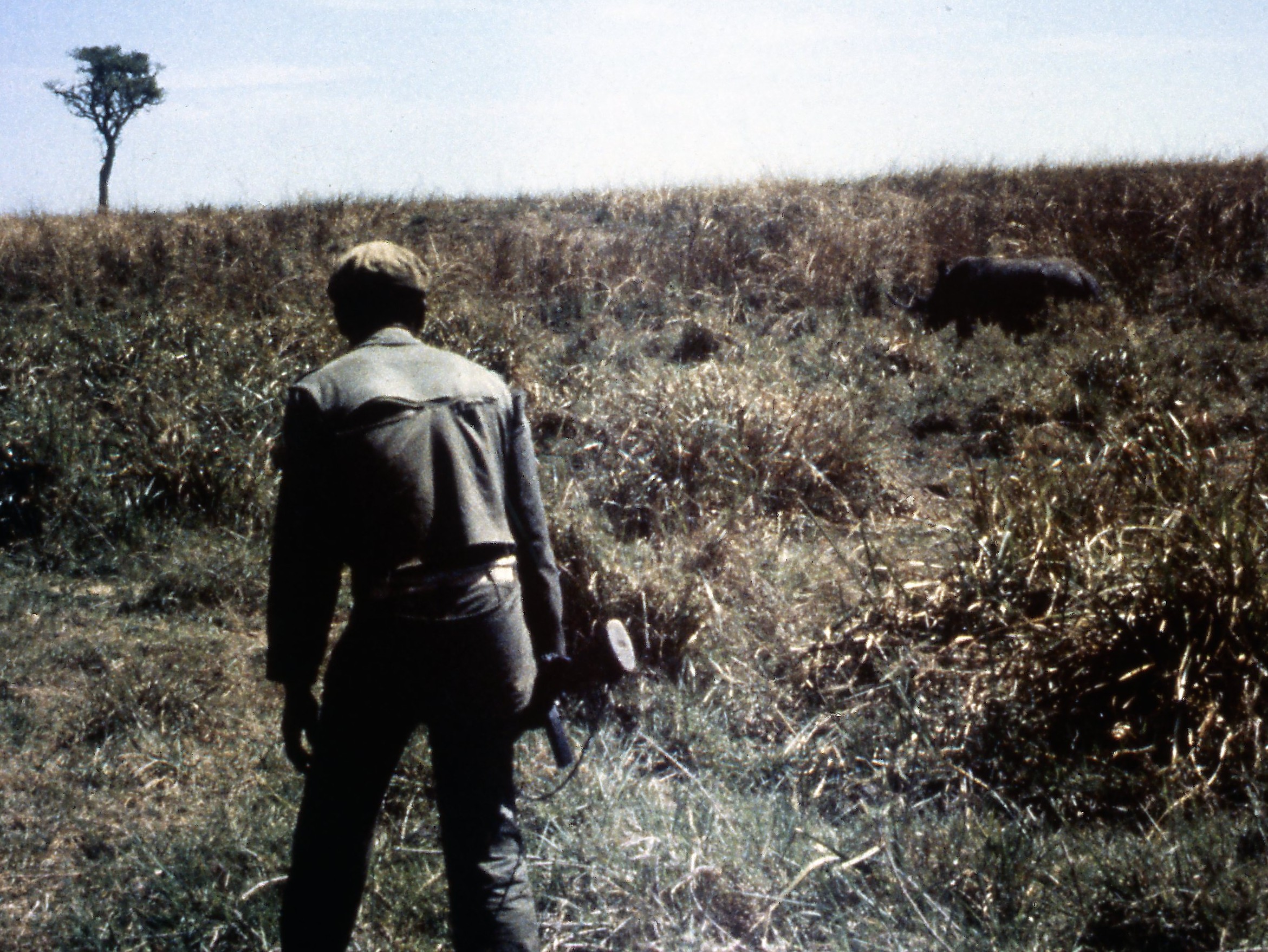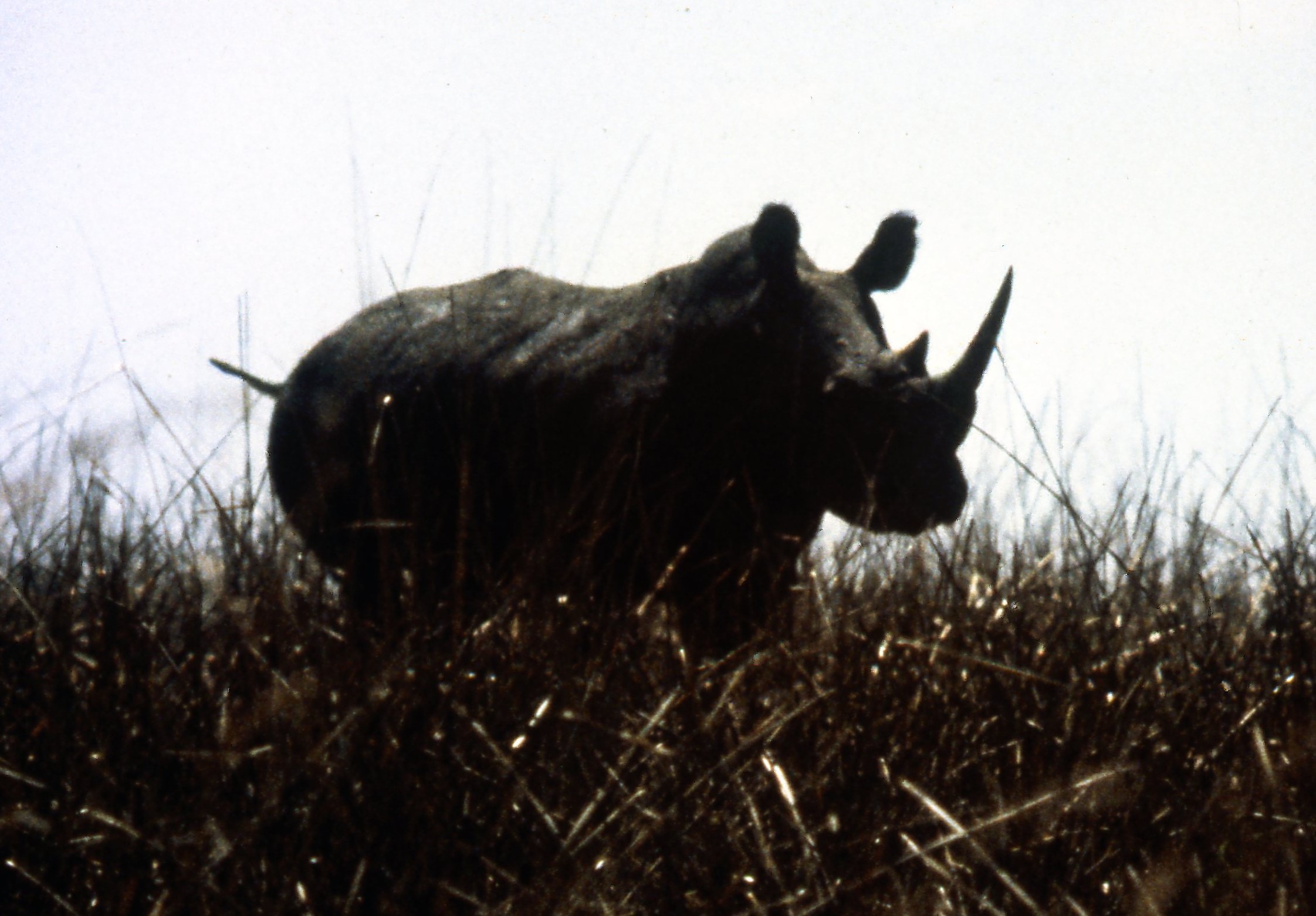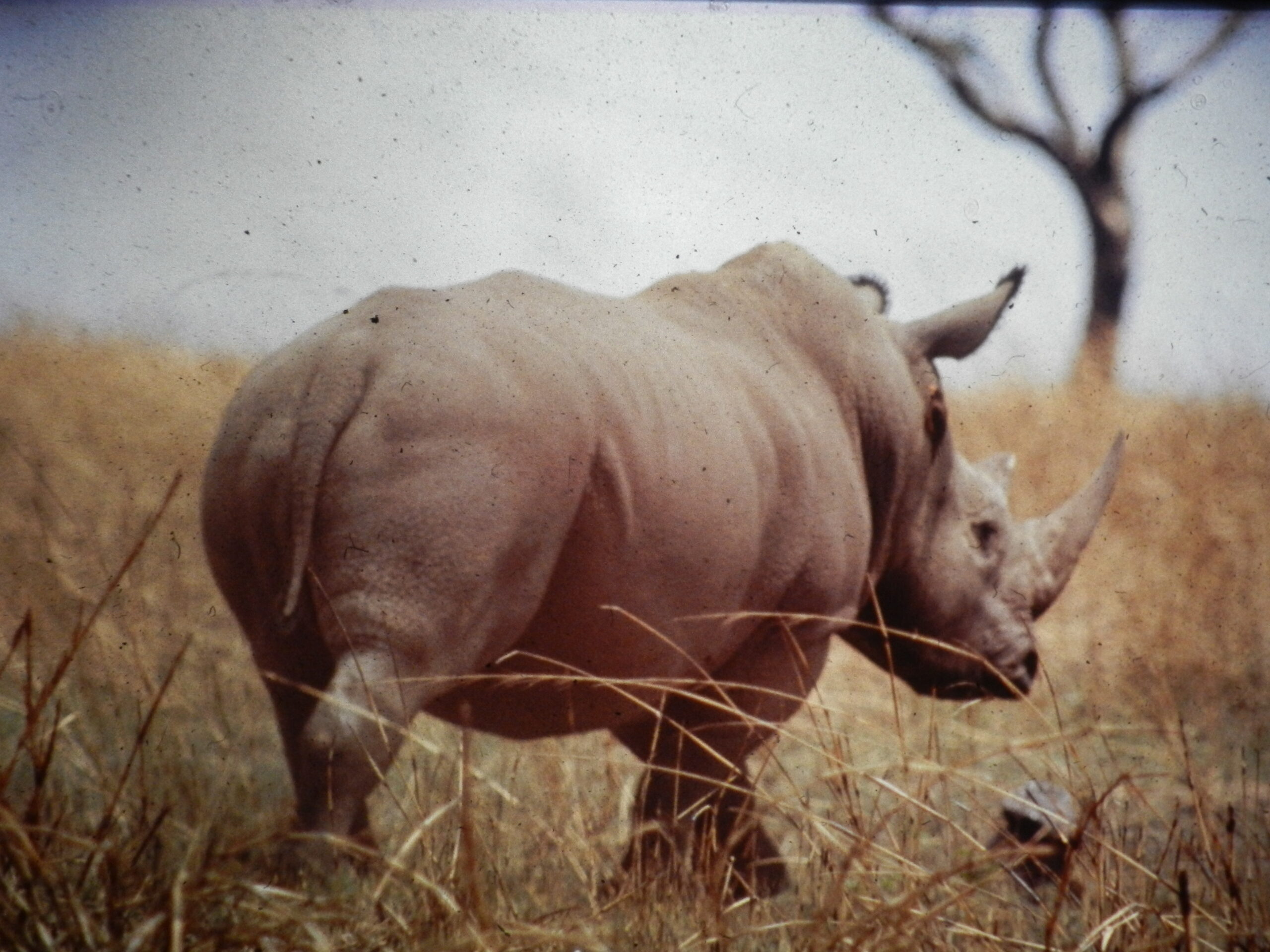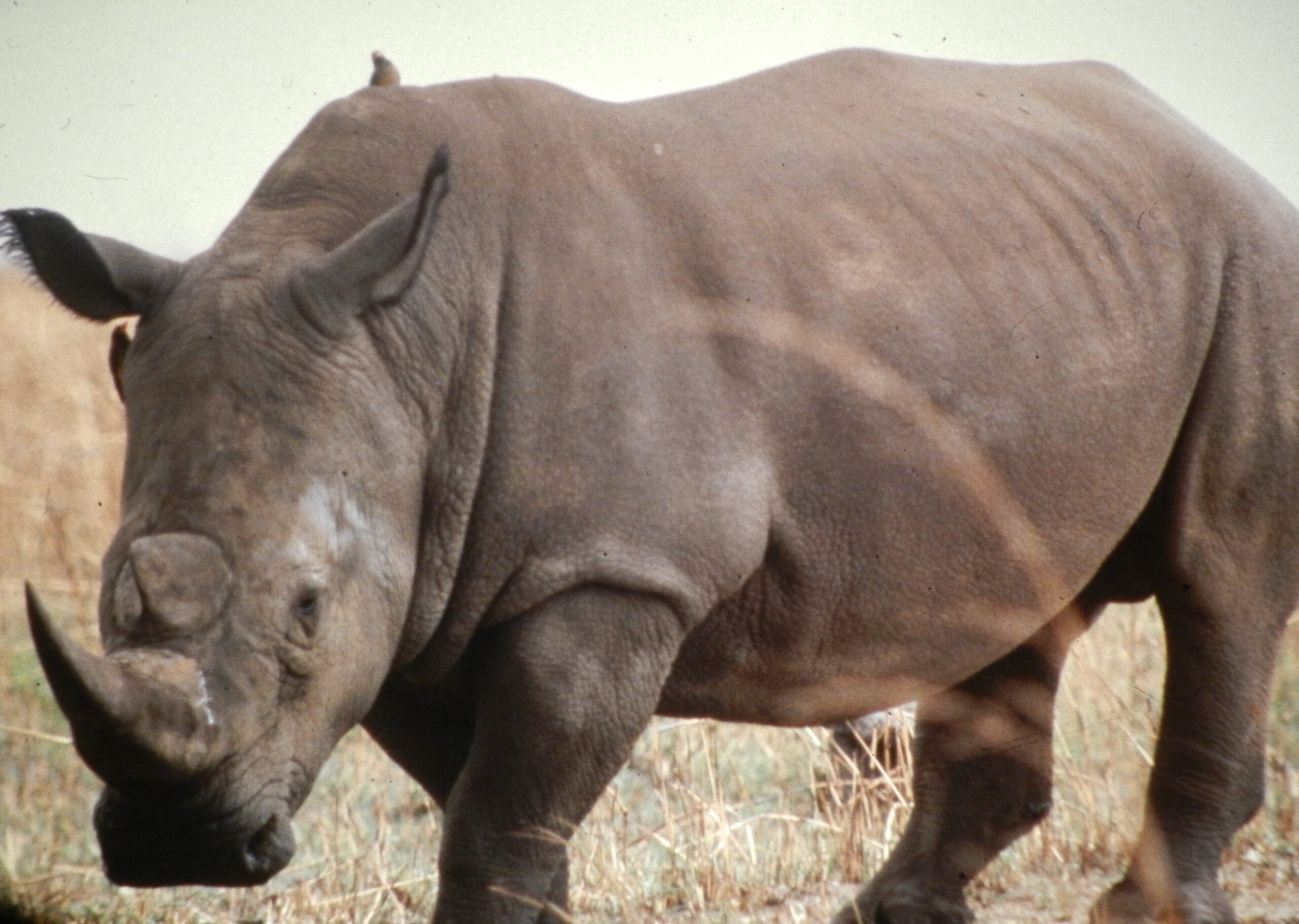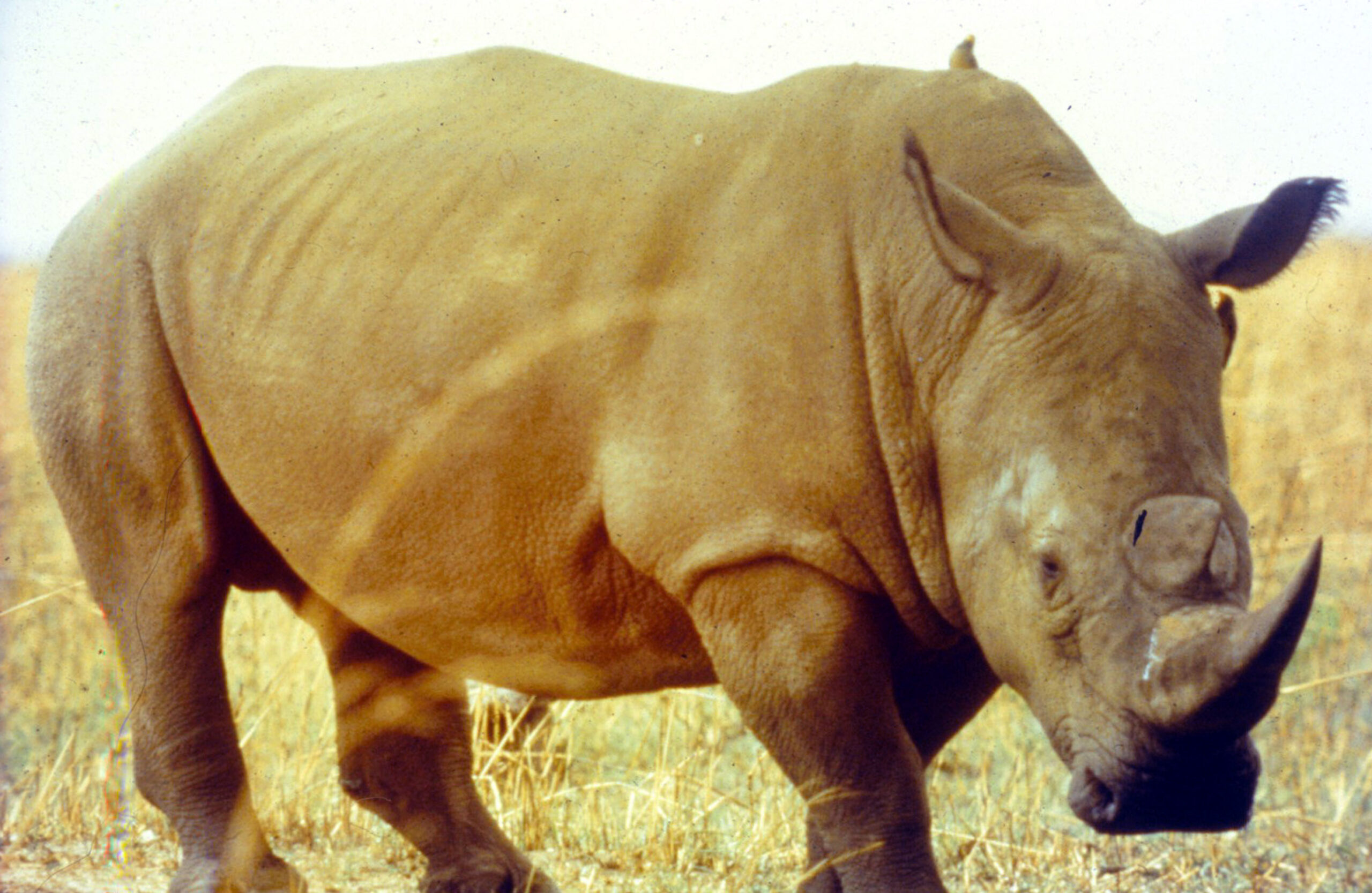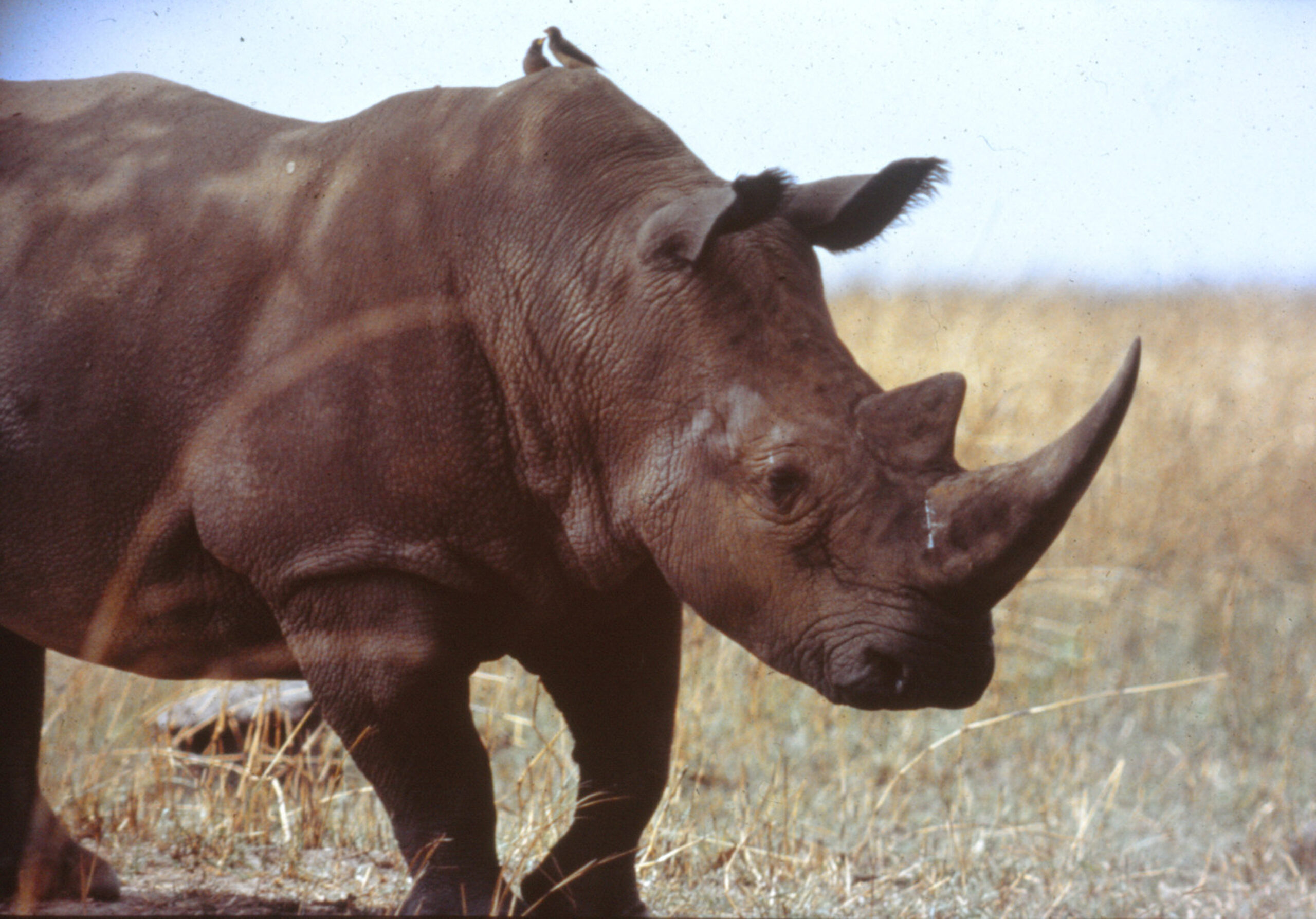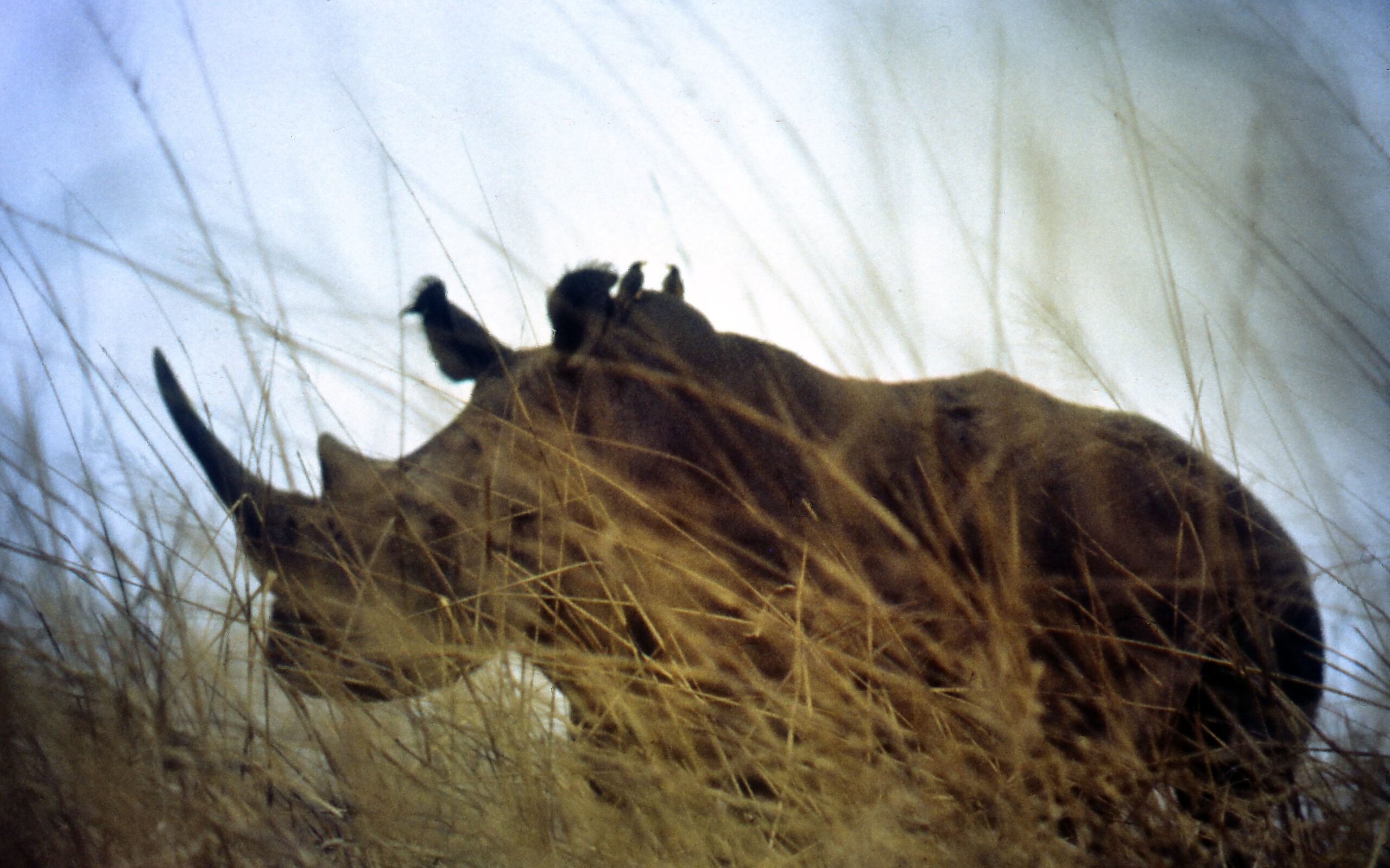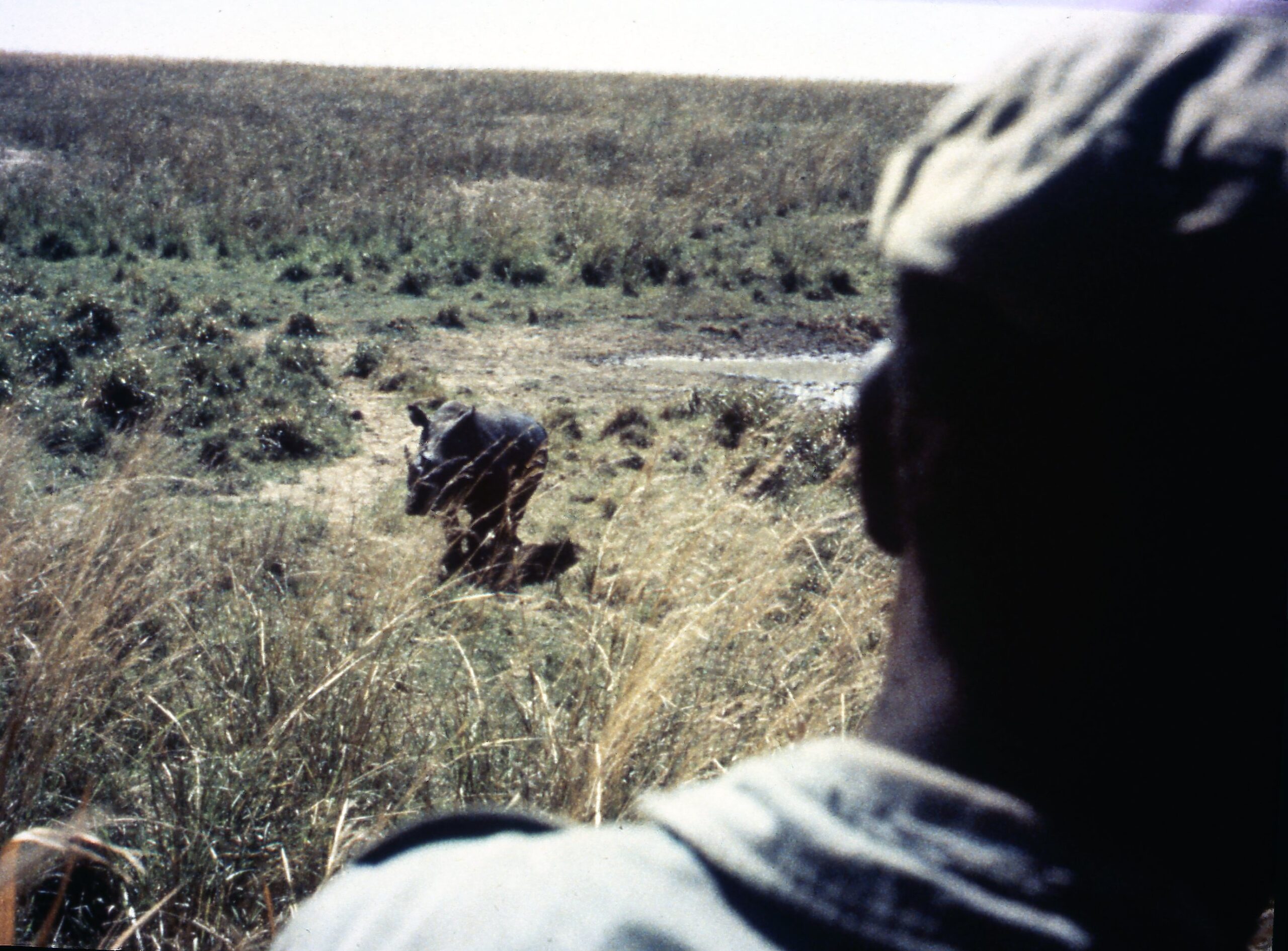


Rhinos have poor colour vision but a superb sense of smell, and they use it to read each other. White rhinos defecate in shared latrines called middens, which every rhino in the area visits. Researchers in South Africa’s Hluhluwe-iMfolozi Park analysed the gases given off by white rhino dung and found that it carries a chemical signature of the depositor’s sex, age, whether a male holds a territory, and whether a female is in oestrus. When the scientists released artificial versions of these scents at middens, territorial bulls became more alert to the smell of a rival male and spent far longer investigating the scent of a receptive female.
The message also has a timestamp. Specific compounds in the dung change as it ages, so a rhino can judge how long ago the owner passed by and decide whether to linger or move on. A territorial male’s scent lasts about two days in the dry season and fades faster in the wet season.
And the volume is impressive: a white rhino produces around 20 kilograms of dung a day, roughly the weight of a medium-sized dog.
Sources
Marneweck, C.; Juergens, A.; Shrader, A.M. 2017. Dung odours signal sex, age, territorial and oestrous state in white rhinos. Proceedings of the Royal Society – series B 284: 1-9.
Marneweck, C.; Juergens, A.; Shrader, A.M. 2017. Temporal variation of white rhino dung odours. Journal of Chemical Ecology 43 (10): 955-965.
Marneweck, C.; Juergens, A.; Shrader, A.M. 2018. The role of middens in white rhino olfactory communication. Animal Behaviour 140: 7-18.