

Dicerorhinus sumatrensis (G. Fischer, 1814)
Overview
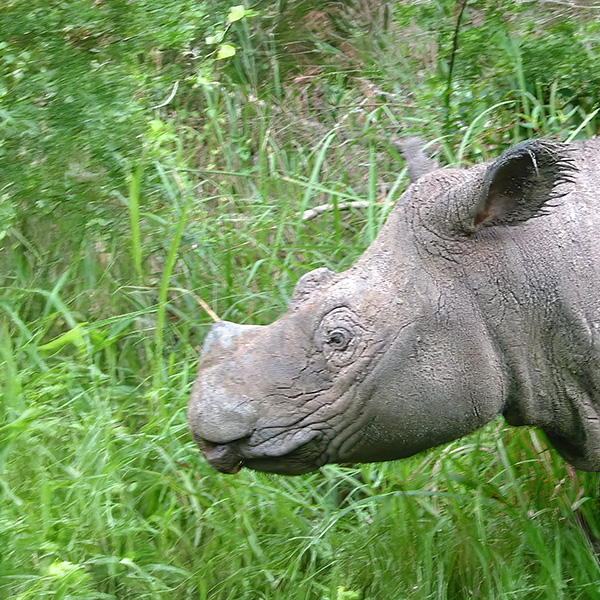
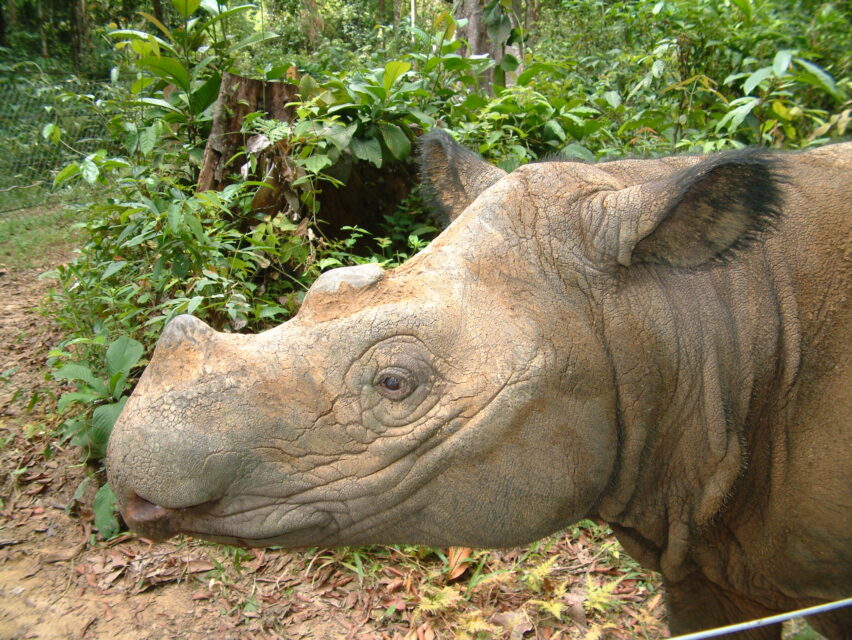
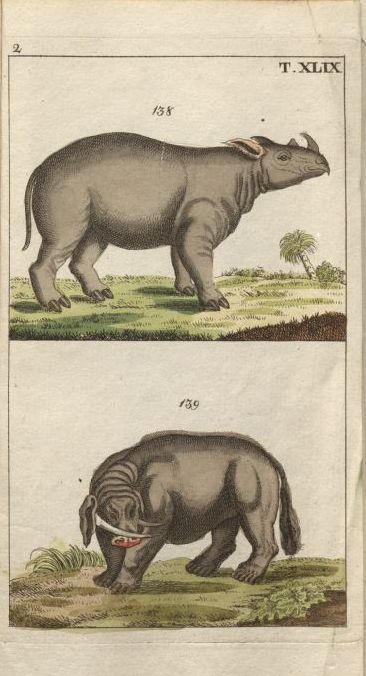
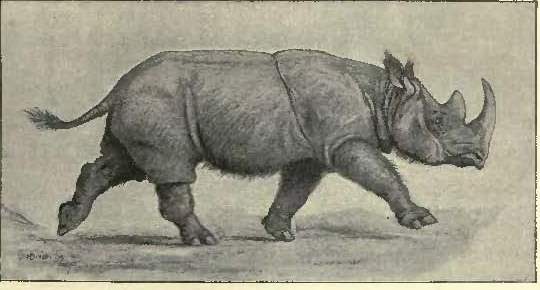
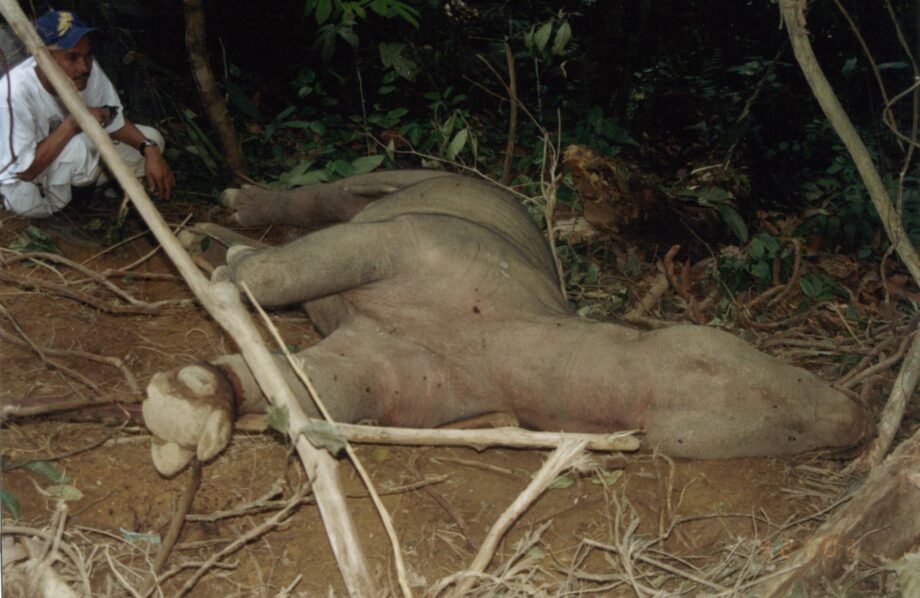
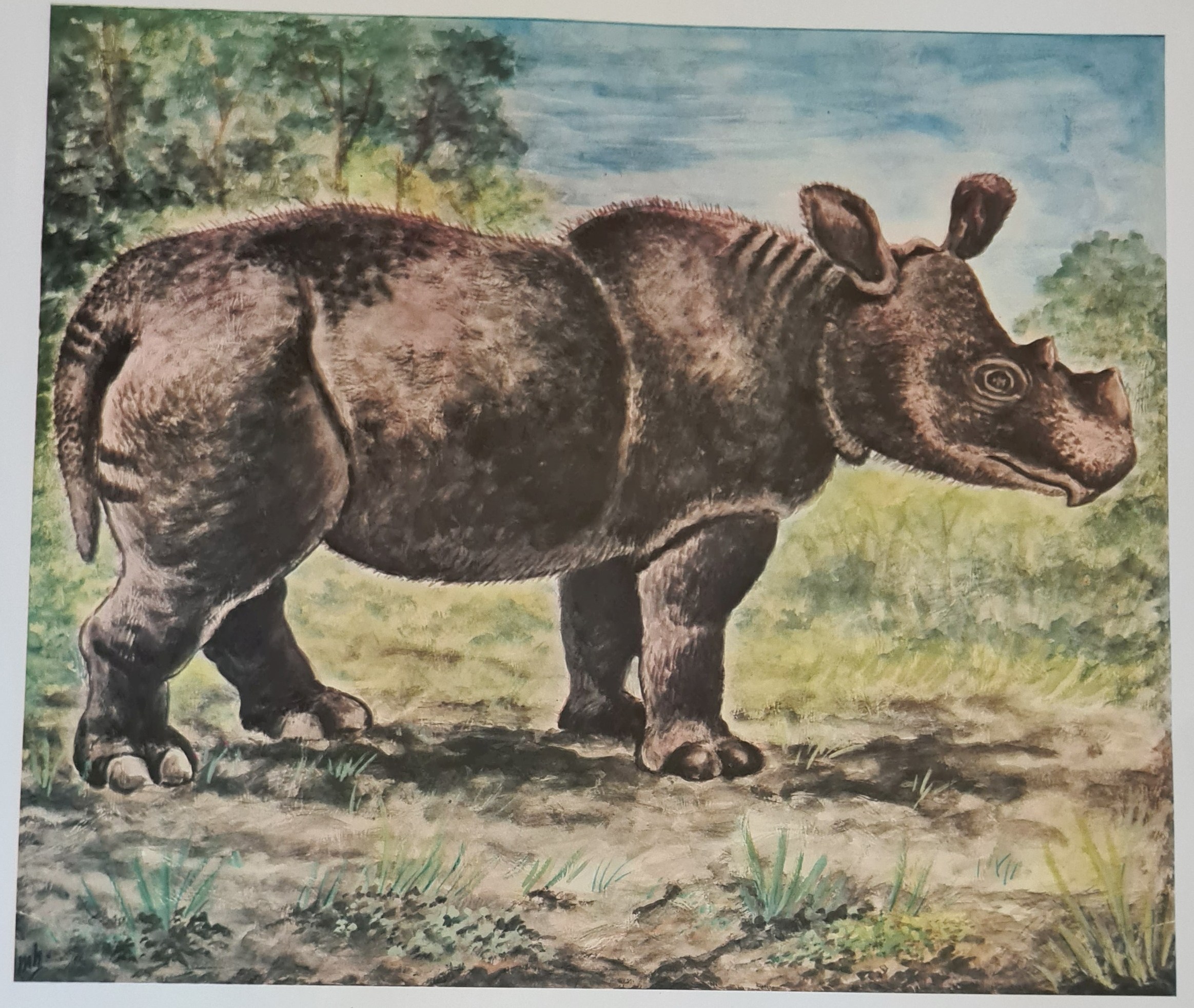
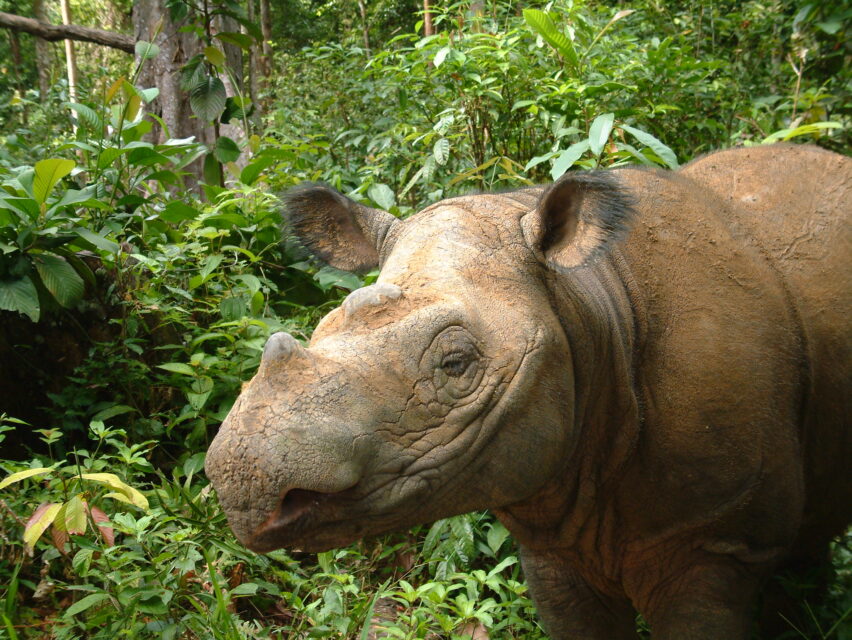
The Sumatran rhinoceros is the only species with two horns in Asia. It is small and hairy. It is one of the most endangered mammals on earth, with low numbers, spread over small pockets, and with many animals being reproductively challenged.
Status
Critically Endangered in the IUCN’s Red List
CITES Appendix I
Scientific Name
Dicerorhinus sumatrensis (Fischer, 1814). The specific name sumatrensis is a latinized adjective form of Sumatra. The name was first proposed in 1814 by Gotthelf Fischer von Waldheim (1771-1853).
Other names proposed
Rhinoceros sumatricus Wilhelm, 1808; Rhinoceros sumatranus Raffles, 1822; Rhinoceros crossii Gray, 1854; Rhinoceros lasiotis Buckland, 1872; Ceratorhinus niger Gray, 1873; Ceratorhinus blythii Gray, 1873; Rhinoceros malayanus Newman, 1874; Rhinoceros borniensis Hose and McDougall, 1912 (unavailable); Rhinoceros malayan Sunder, 1895; Rhinoceros ‘bicornis’ sinensis Laufer, 1914 (preoccupied).
Subspecies as currently recognised
Dicerorhinus sumatrensis sumatrensis (Fischer, 1814) – Sumatra, Malaysia, South Myanmar, Thailand, possibly Vietnam, Lao PDR, Cambodia
Dicerorhinus sumatrensis harrissoni (Groves, 1965) – Borneo (Sabah, Sarawak, Brunei, Kalimantan)
Dicerorhinus sumatrensis lasiotis (Buckland, 1872) – North Myanmar, Bangladesh, India
Common Names
Sumatran rhinoceros, Hairy rhinoceros, Asiatic two-horned rhinoceros, Lesser two-horned rhinoceros
Measurements – Sumatran Rhino
Length, head and body: maximum 283 cm
Height at shoulders: maximum 144 cm
Girth: average 1.9 to 2.4 m
Horn length: anterior maximum 81 cm. posterior smaller.
Weight: up to 850 kg
Lifespan
40 years. Record in captivity is 28 years 6 months (Begum in London Zoo).
Chromosomes
Chromosomes: 2n=82
Sumatran Rhino Reproduction
Rhinos give birth to 1 calf.
Gestation period: 476 days
Birth intervals per calf: not recorded
Female sexual maturity: 5 years
Male sexual maturity: about 6 years
Newborn weaned: at 18 months
Distribution – Sumatran rhinoceros
Historical Natural Range (starting 1500):
Sumatra, Borneo (Sabah, Sarawak, Brunei, Kalimantan), Malaysia, parts of Thailand, parts of Myanmar, Lao DPR, Cambodia, Vietnam, Bangladesh (Chittagong), India (North-Eastern states, West Bengal, Assam). Never found in Singapore. The species is rarely seen in the wild, often for few minuts only, which leads to confusion with other rhinoceros species in the same region. The identity of rhinoceroses in the Indo-Chinese region is poorly understood.
Current distribution
The Sumatran rhinoceros is found in Kalimantan, the Indonesian part of Borneo. There are populations spread over Sumatra. Recent population in mainland Malaysia went extinct in 2018, in Sabah went extinct in 2019. The Sumatran Rhino Sanctuary (SRS) in Way Kambas has brought together several specimens which are breeding, and provides a last haven for the species.
Captivity – Sumatran Rhino
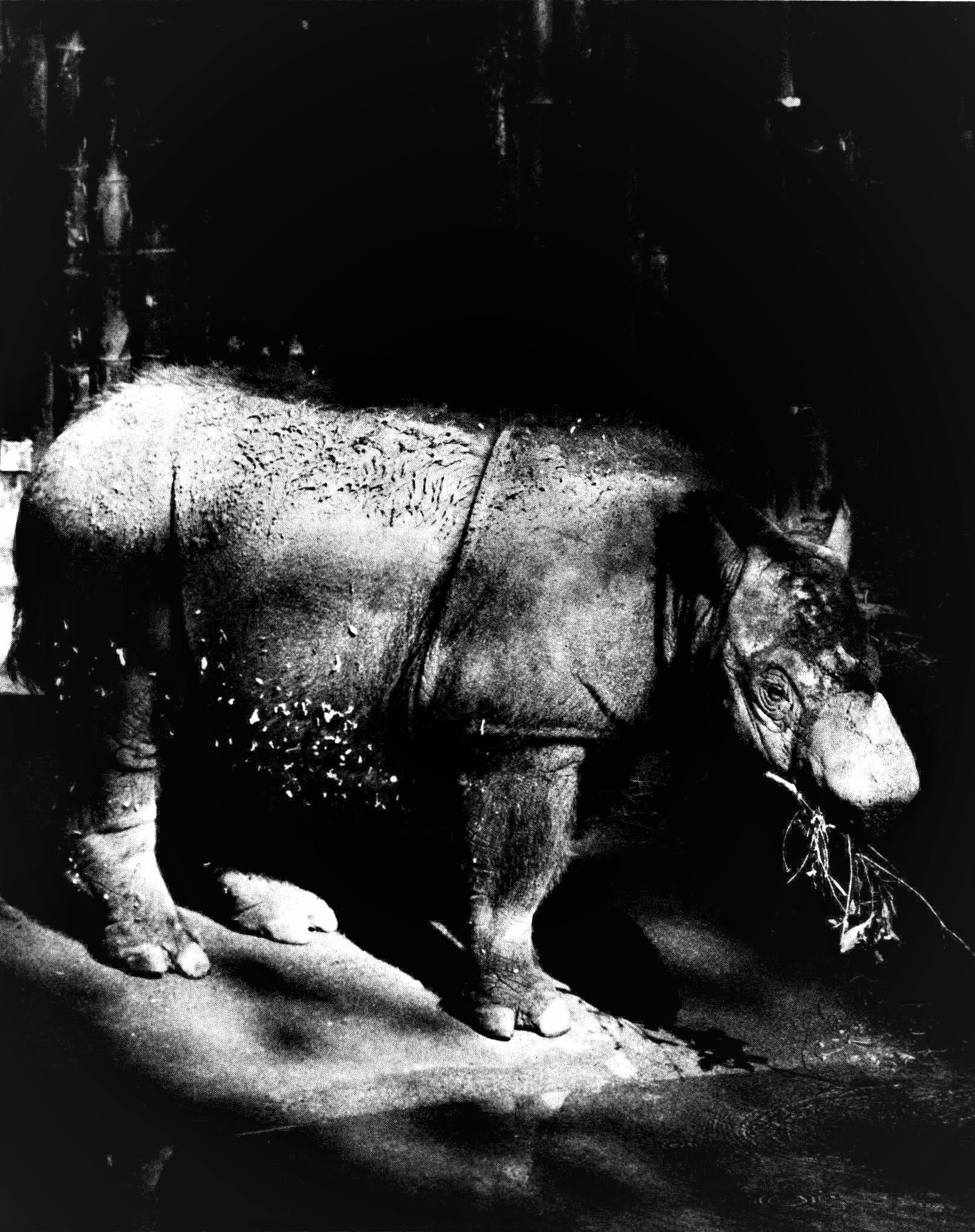
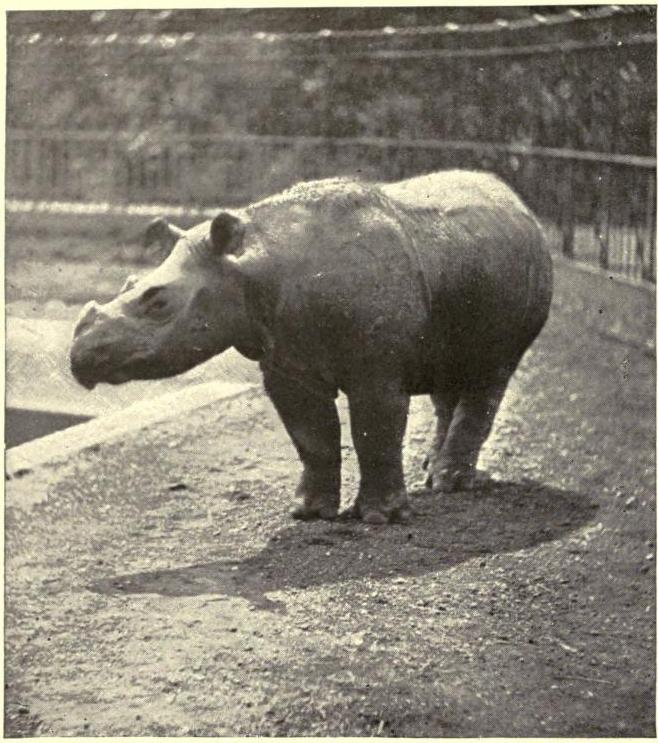
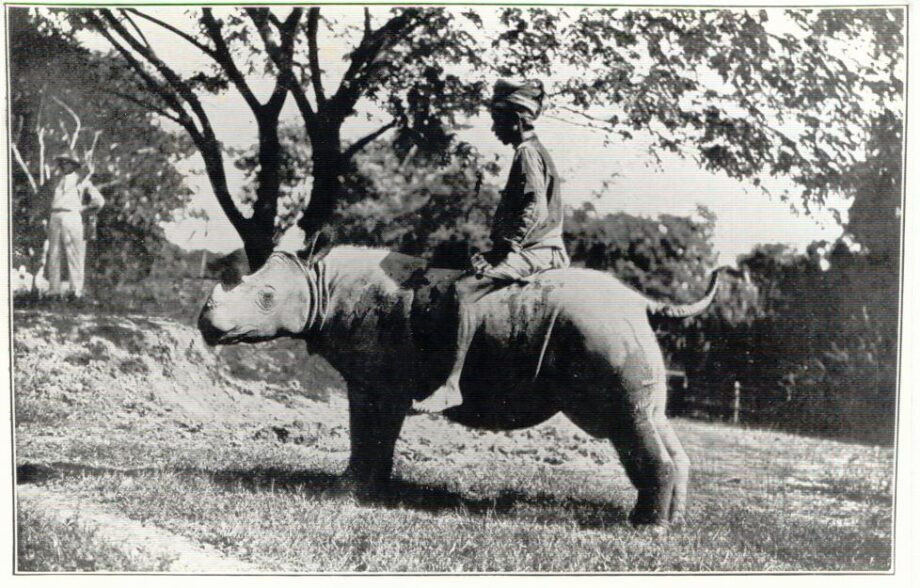
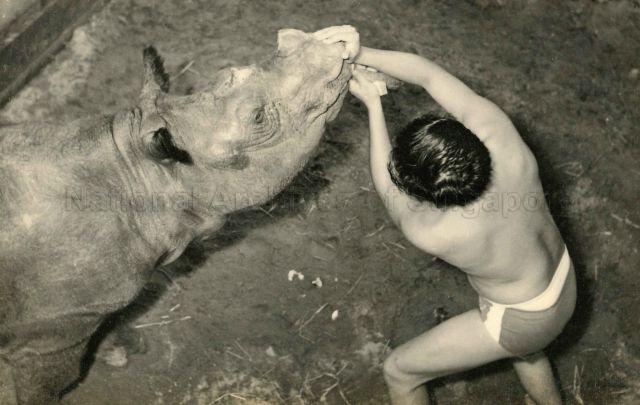
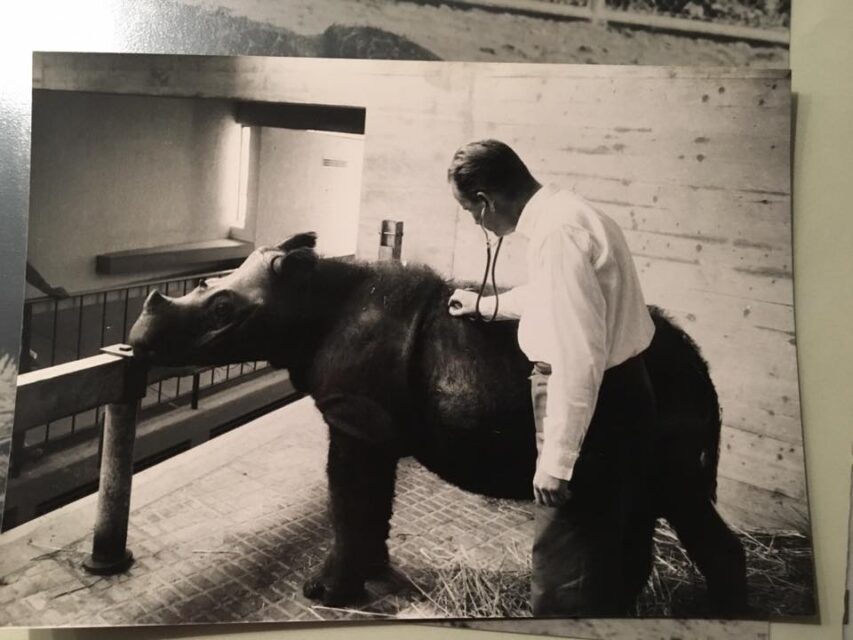
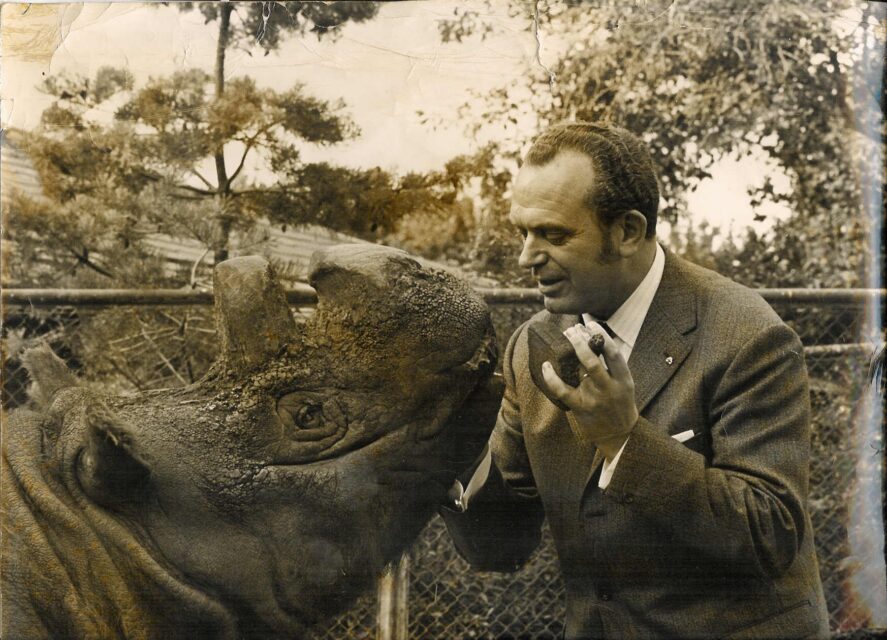
A total of 96 Sumatran rhino specimens have been in captivity up to 1999. The first animal captured in Malaysia arrived in Hamburg in 1872. The second Sumatran rhino to arrive in Europe was the female ‘Begum’ or Chittagong Rhinoceros, captured in November 1867 and exhibited in the London Zoo from 15 February 1872 to 31 August 1900, the type of Rhinoceros lasiotis named by Francis Trevelyan Buckland (1826-1880) in an advance notice of the proposal by Philip Lutley Sclater (1829-1913).
Total captive births: 4 (London harbour 1872, Calcutta Docks 1885, Calcutta 1889, Melaka 1987). Recent births in the SRS Way Kambas (taken as wild population).
Studbook: Leipzig Zoo (unpublished).
First birth: London harbour on Friday 6 December 1872.