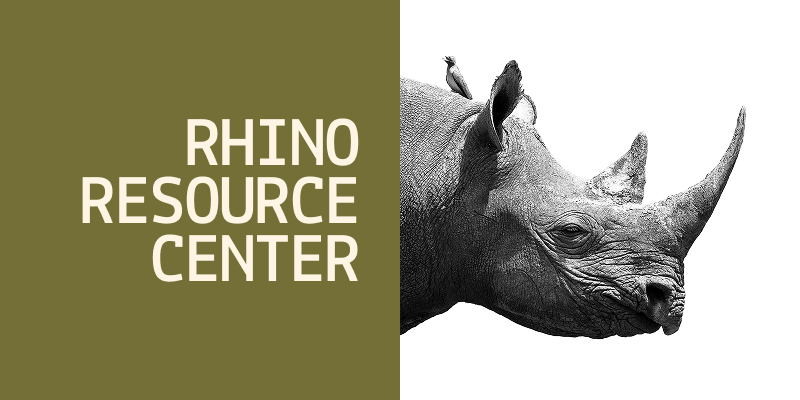


The One-horned Rhino was about to disappear in 1908, but, for the foresight of the then British forest officer, who took steps to protect them in the Kaziranga Wildlife Sanctuary in Assam, which will soon be declared a National Park; and I only hope, not in name only.
700 in total
Rhinoceroses in the zoos, have been observed shedding their horns in the same way, as stags shed their antlers, but this happens only about once in ten years The new horn begins to grow again on the scar left by the old.
On my appeal last year, Dr. Grzimek, Director, Frankfurt Zoological Society, offered money for rifles and elephants. I would also like to mention the name of Prof. Ullrich, Director of Dresden Zoological Society, who offered money for buying elephants. The World Wild Life Fund has given money to buy motor boats for patrolling.
They have also fixed dung places and each beast has its own wallow. This unfortunate habit helps the poachers to kill them by the pit method. The rhino struggles vigorously inside the small, pit and finally breaks its neck. The poachers usually wait for the signal of the flying vultures, then appear at the dead of night to collect the horn only.
Rhinoceroses are odd toes mammals with three toes. The middle toe is the most highly. developed and has the broadest hoof. There is an elastic pad on the sole of the foot, similar to that in elephants.
Rhinoceroses are odd toes mammals with three toes. The middle toe is the most highly. developed and has the broadest hoof. There is an elastic pad on the sole of the foot, similar to that in elephants.
I believe, that an organized intellegent body, either at Calcutta or Bombay usually conducts the poaching for rhinos. They have connections with an international gang, for the final disposal of the horn to the outside market The local people staying on the border of the Sanctuary, generally act as informers and assist in the poaching.
They have fixed trackways through the vegetation, which they use when going to graze, or to watering places.
Most of the wild animals of India, usually run away from danger and conceal themselves in thick cover but the rhino does the opposite. It continues grazing till danger is rather close, and then, instead of retreating and taking over it exposes itself still more, by charging. This peculiar habit helps the poachers to shoot at close range with country made lead bullets or with high powered rifles fitted with a telescope.
They have also fixed dung places and each beast has its own wallow. This unfortunate habit helps the poachers to kill them by the pit method.
They have also fixed dung places and each beast has its own wallow. This unfortunate habit helps the poachers to kill them by the pit method.
Rhinoceroses are territorial and remain on the same range throughout their lives.
Overhunting, and over-intensive transformation of habitats, have reduced numerous animal populations to the point of extinction. The chief sufferer has been the rhinoceros, which was slaughtered, to satisfy the demands of Chinese pharmacists since the rhinoceros. horn is famous for its alleged aphrodisiac properties. High prices (up to half its weight in gold) caused the massacre of this unfortunate animal, and today all Asiatic rhinoceroses are rare.
The chief sufferer has been the rhinoceros, which was slaughtered, to satisfy the demands of Chinese pharmacists since the rhinoceros. horn is famous for its alleged aphrodisiac properties.
