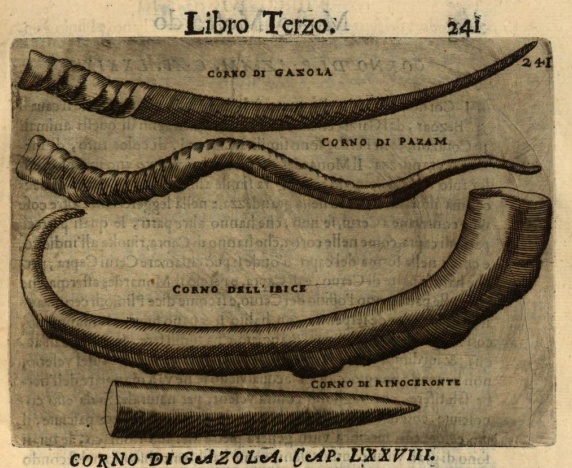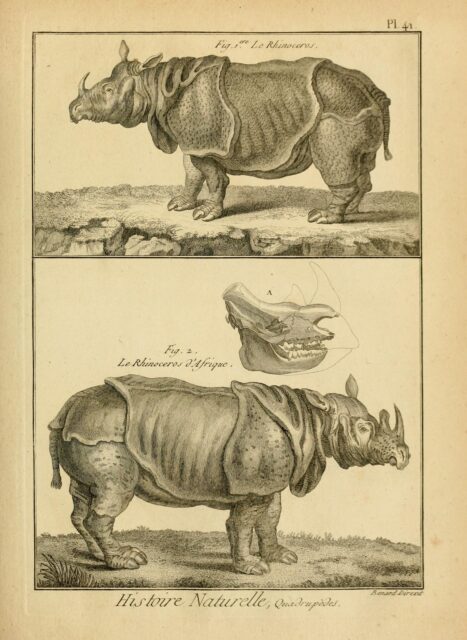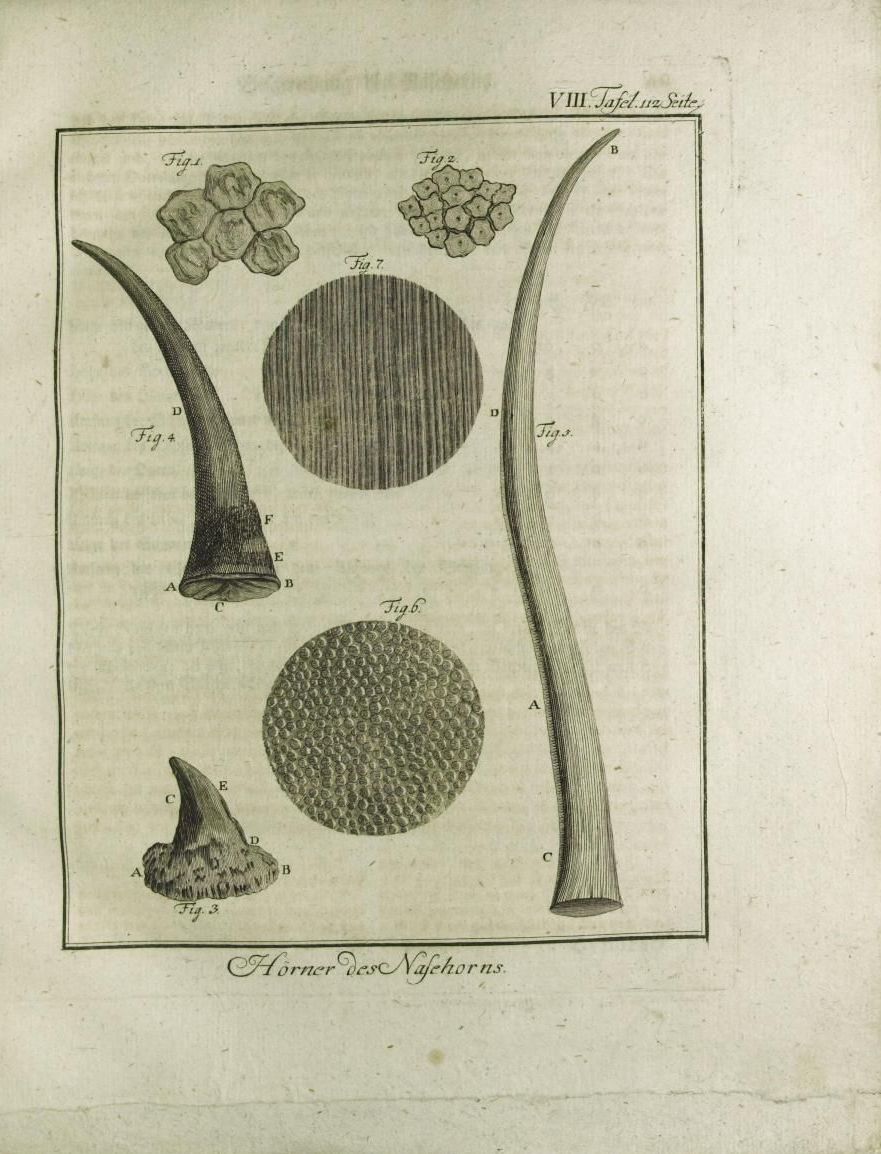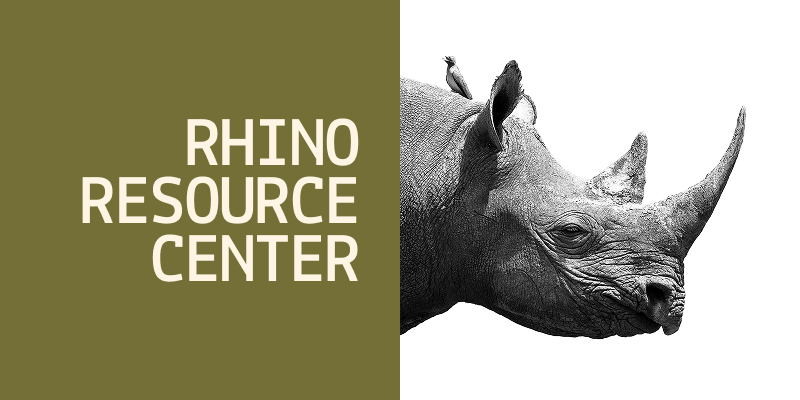


Unlike elephant tusks or cattle horns, rhino horns are made entirely of keratin — the same protein found in human hair and fingernails. They’re essentially compressed hair that grows continuously throughout the rhino’s life.
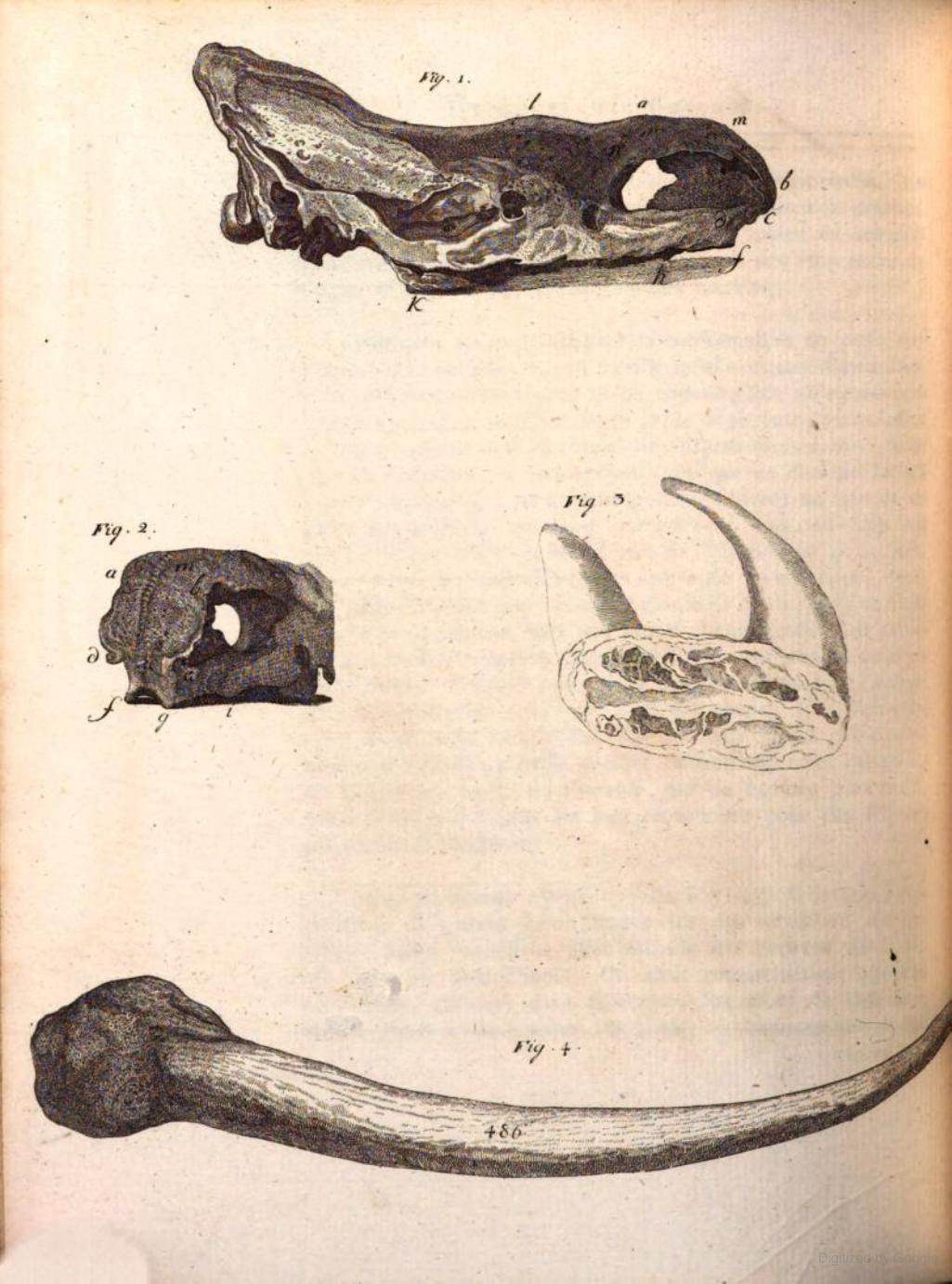
A rhino’s horn is one of nature’s most misunderstood features. Whilst it may look like bone, it contains no bone tissue whatsoever. Instead, it’s composed of tightly packed keratin fibres—similar to a horse’s hooves or your own fingernails, but much denser.
These horns grow from the skin, not the skull, and can regenerate if damaged or removed. On average, a rhino’s horn grows by around 2 centimetres each year and the white rhino’s front horn typically averages 90 centimetres in length but can reach 150 centimetres. The horn’s structure is remarkably strong, allowing rhinos to use them for defence, foraging, and digging for water.
Tragically, the myth that rhino horn has medicinal properties – despite having no more healing power than chewing your own fingernails — drives the illegal wildlife trade that threatens all rhino species with extinction.