

Also called Northern white rhinoceros
Ceratotherium simum cottoni (Lydekker, 1908)
Overview
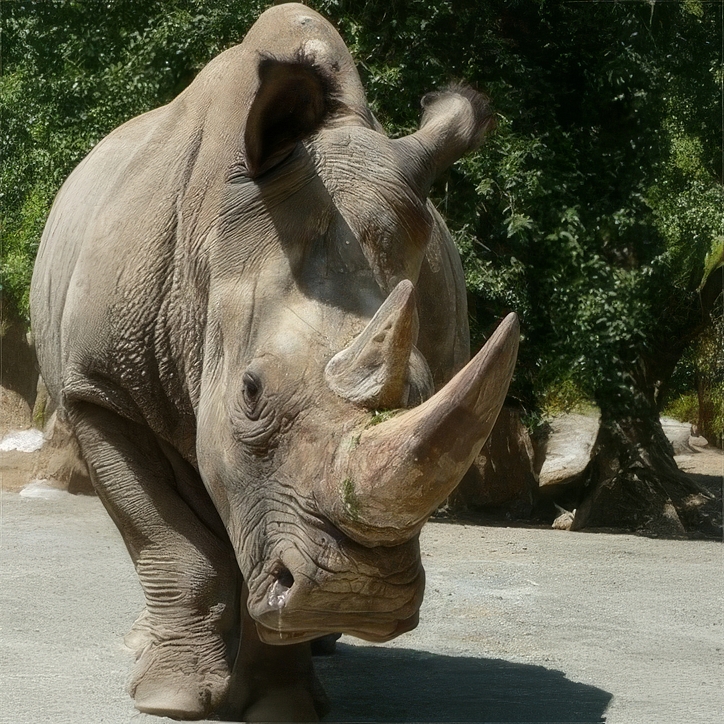
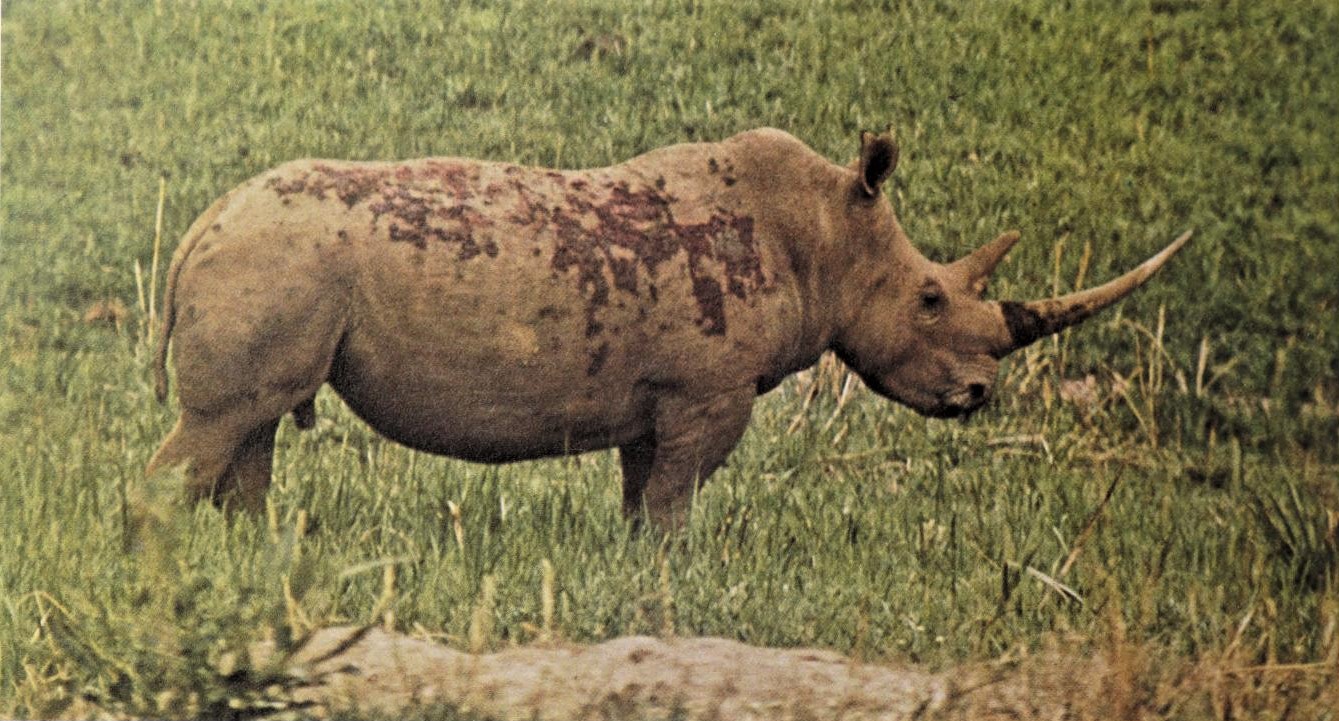
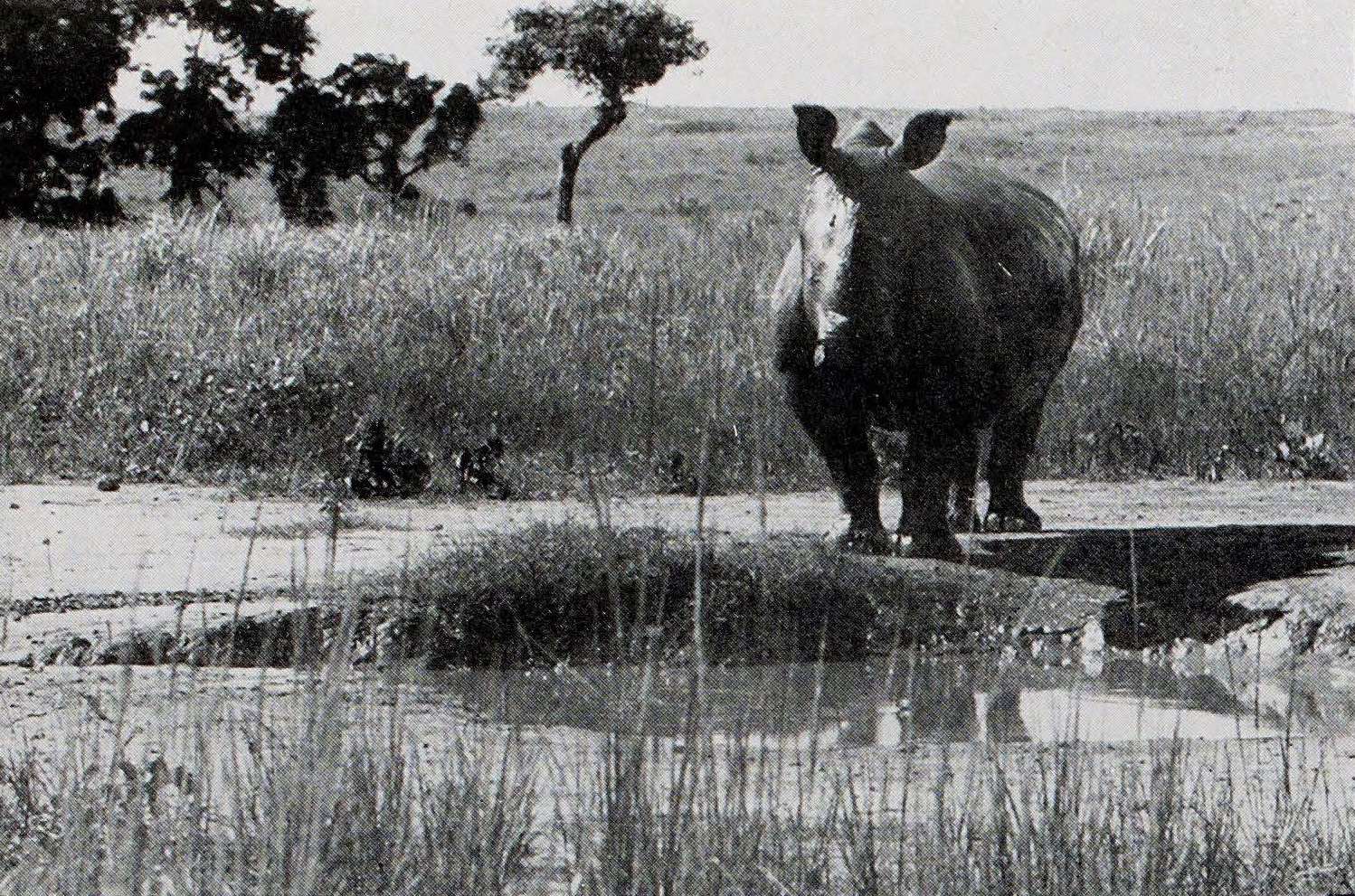
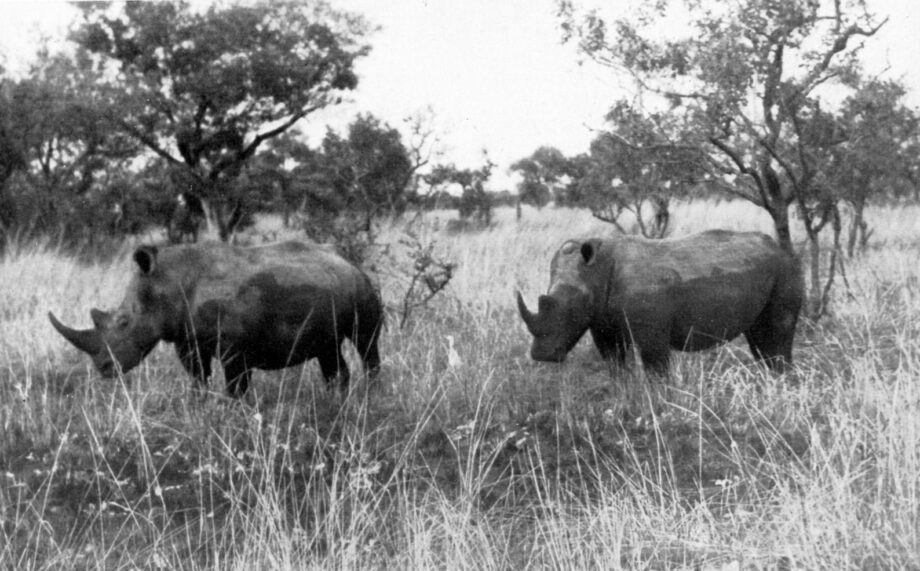
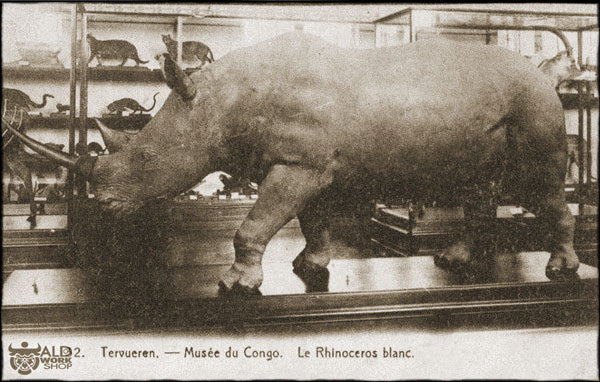
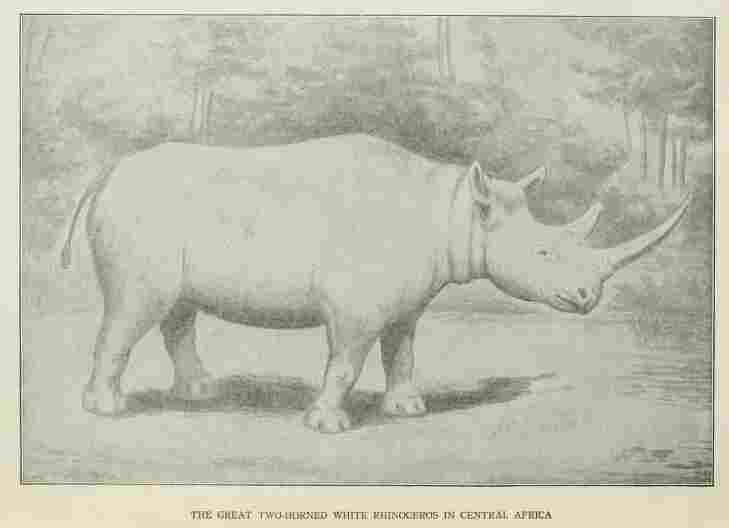
The Nile rhinoceros is a large animal, with two horns, found in the central parts of Africa. It is similar to the White rhinoceros in southern Africa, without overlapping ranges.
Status
Critically Endangered in the IUCN’s Red List. Only two animals are alive in an ex-situ park in Kenya (2025), and the species is now virtually extinct.
Scientific Name
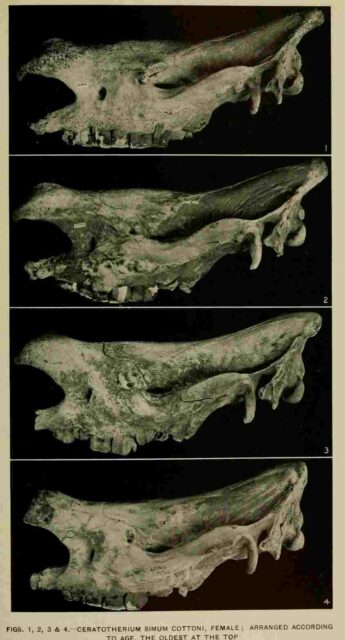
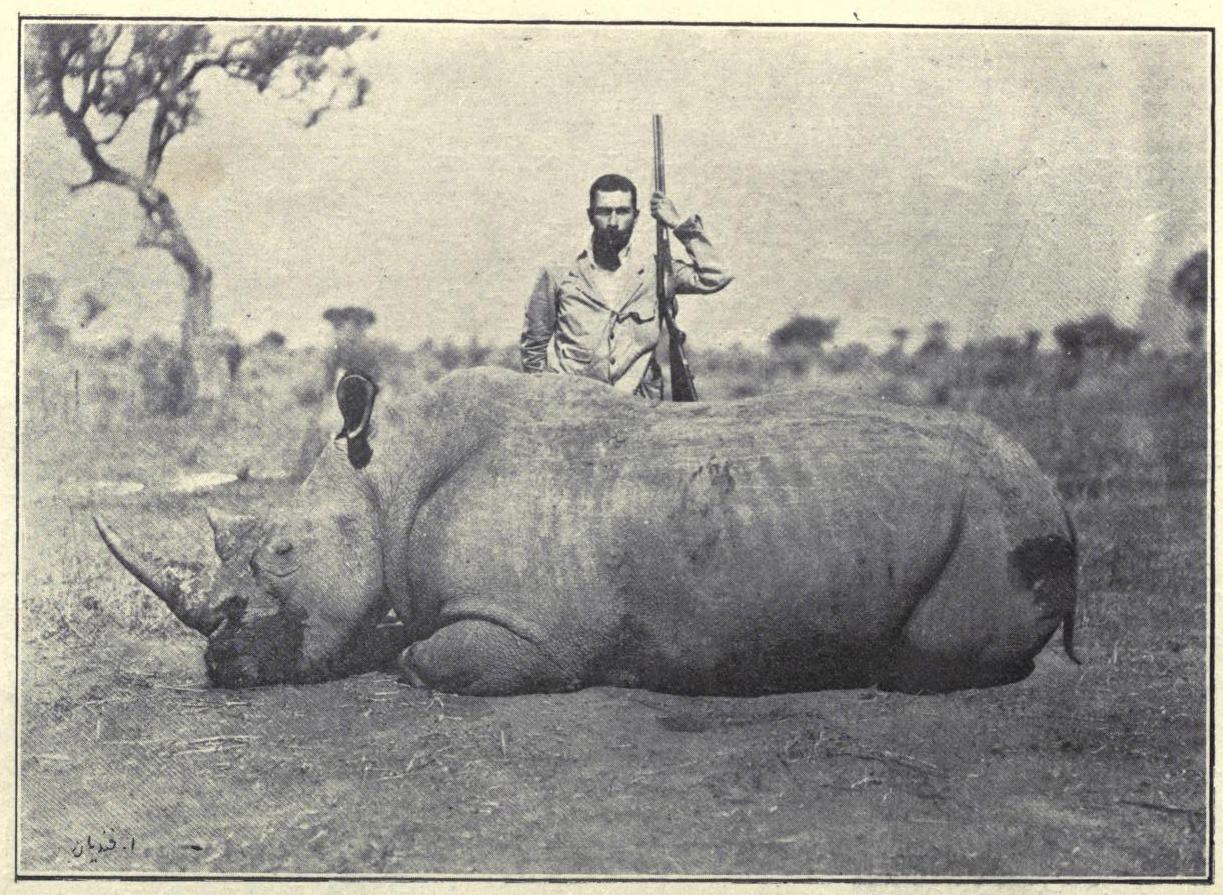
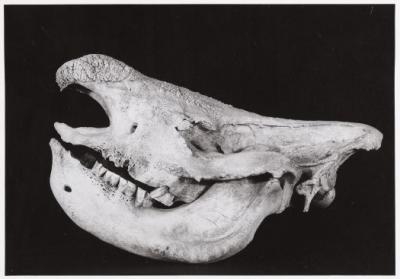
Ceratotherium simum cottoni (Lydekker, 1908). This rhino was named as a subspecies by Richard Lydekker (1849-1915) in 1908, from a skull collected by Percy Horace Gordon Powell-Cotton (1866-1940) on his fourth African expdition of 1904-1907 in the Lado Enclave on the west bank of the Nile in Uganda.
Other names proposed
Amazingly none !
Subspecies
The two sets of the White rhinoceros are widely separated in distribution, and can be classified as two subspecies or two species. The set in the southern part of Africa is known as the Southern white rhinoceros, Ceratotherium simum simum (Burchell, 1817). The set in the central part of Africa is known as the Northern white rhinoceros, Ceratotherium simum cottoni (Lydekker, 1908) or could be a separate species which may be known as Nile rhinoceros, Ceratotherium cottoni (Lydekker, 1908).
Common Names
Nile rhinoceros, White rhinoceros, Grass rhinoceros, Square-lipped rhinoceros
Measurements
Length, head and body: males average 366 cm, maximum 375 cm. females average 312 cm, maximum 322 cm.
Height at shoulders: males maximum 182 cm, females maximum 177 cm.
Tail: 6-7.4 cm
Girth: no data
Horn length, anterior: average 65 cm in males, 54 cm in females. Record is 127.3 cm (with 55.9 cm posterior horn).
Weight: no data
Lifespan
40-45 years (no data from the wild). Record in captivity is male ‘Sudan’ living from 19 September 1975 in Dvur Kralove and euthanized 19 March 2018 in Kenya, hence 42 years 6 months.
Chromosomes
Chromosomes: 2n=82
Nile rhinoceros Reproduction
Rhinos give birth to 1 calf.
Gestation period: 482-485 days
Birth intervals per calf: not recorded.
Female sexual maturity: not recorded.
Male sexual maturity: not recorded
Newborn weaned: at 18 months
Distribution – Nile rhinoceros
Historical Natural Range (starting 1700):
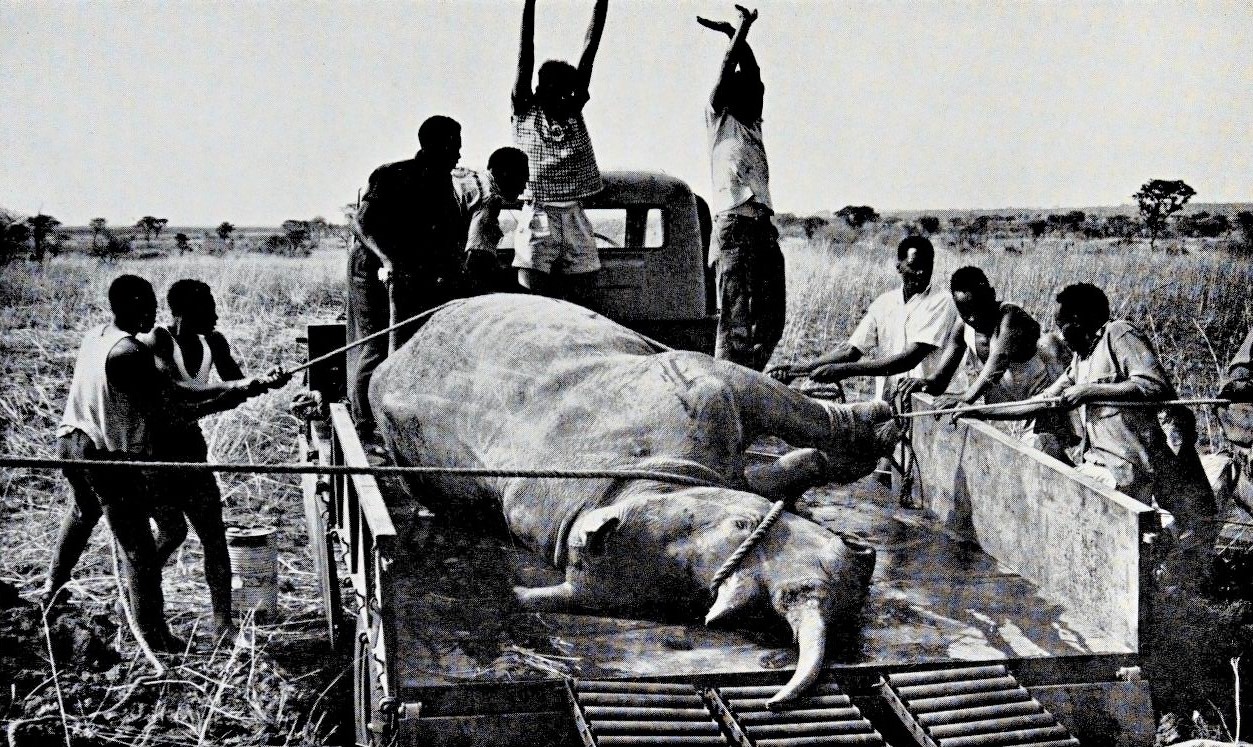
Once found in Central African Republic, Chad, Sudan, South Sudan, Uganda and Congo. Last stronghold was Garamba National Park, Congo. Now extinct in the wild.
Current distribution
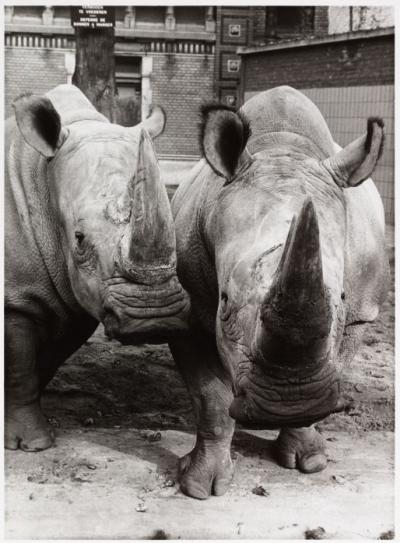
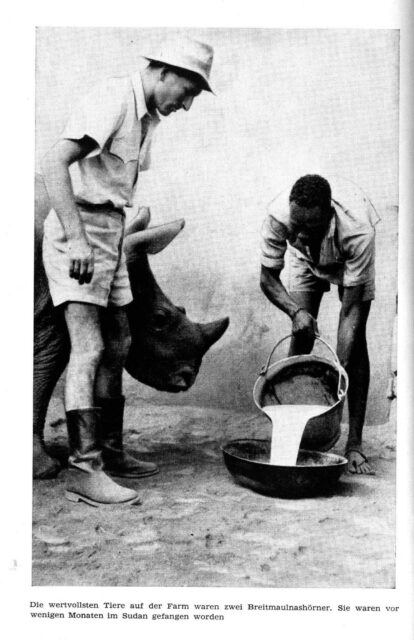
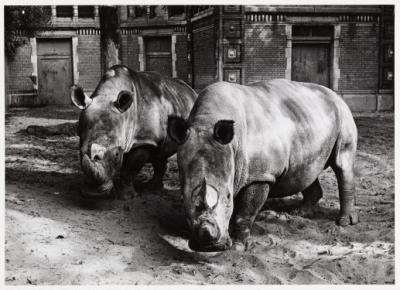
The last surviving Nile rhinos in captivity were transported from Dvur Kralove to Ol Pejeta Conservancy in Kenya in 2009: male Sudan, females Najin and Fatu. Sudan was wild-born and was in the zoo since 1975, euthanised in 2018. Najin is captive bred born 11 July 1989, Fatu is captive bred born 29 June 2000.
Nile Rhinoceros in Captivity
Numbers: There have been 25 Nile rhino in captivity, 21 imported from the wild, 4 captive births.
Studbook: long kept by Berlin Zoo (and published regularly up to 2011).
First birth: 8 June 1980 at Dvur Kralove. The last captive birth was ‘Fatu’ (baby of the millennium) born 29 June 2000 at Dvur Kralove.