

Rhinoceros sondaicus Desmarest, 1822
Overview
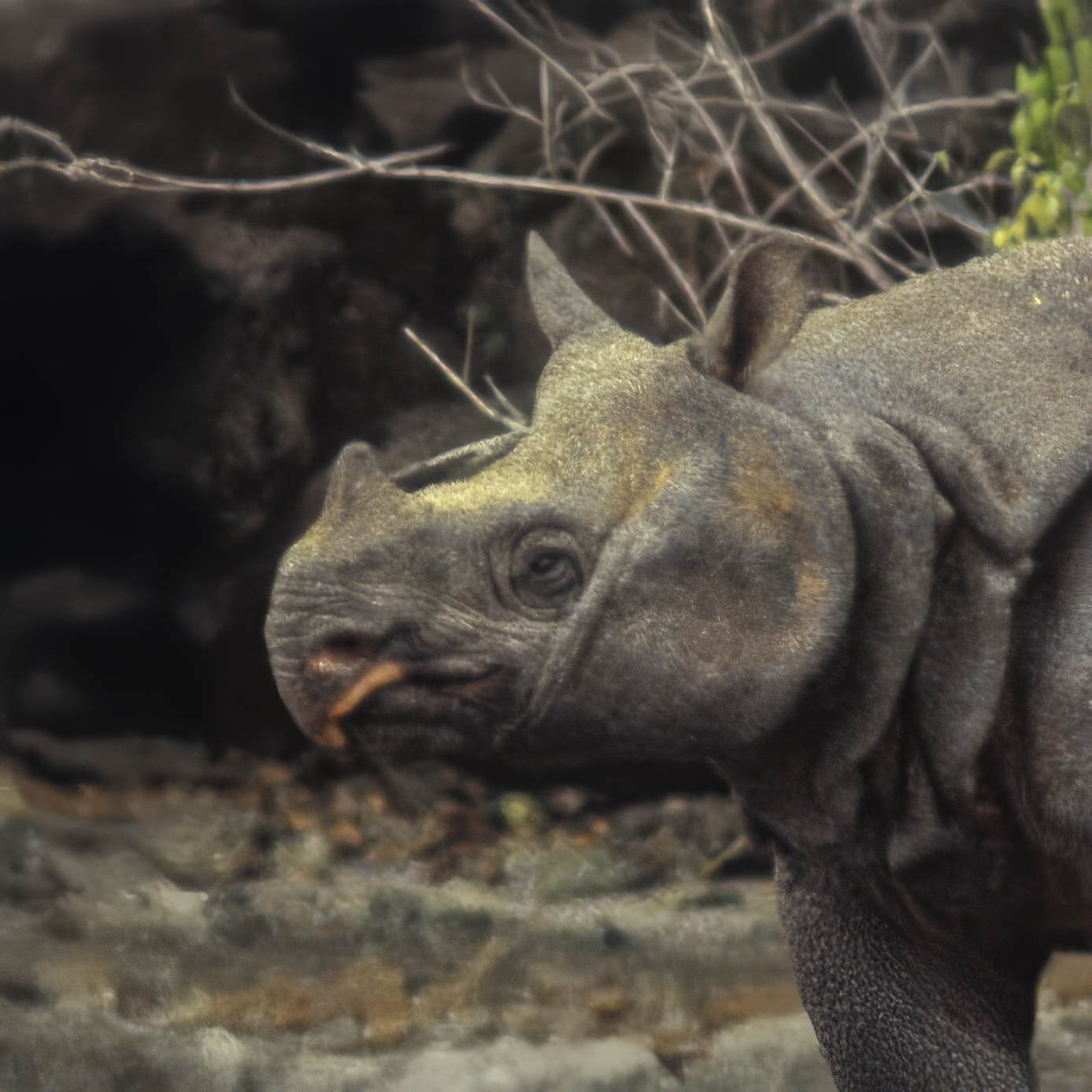
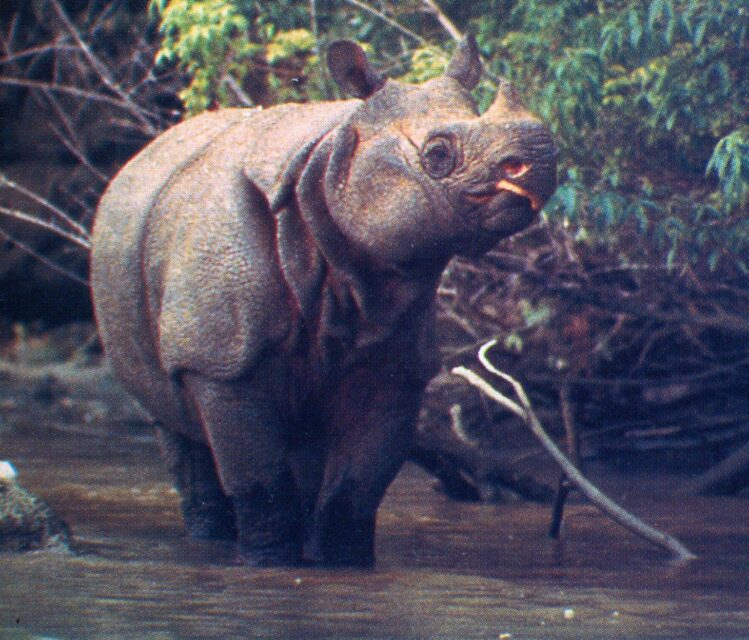
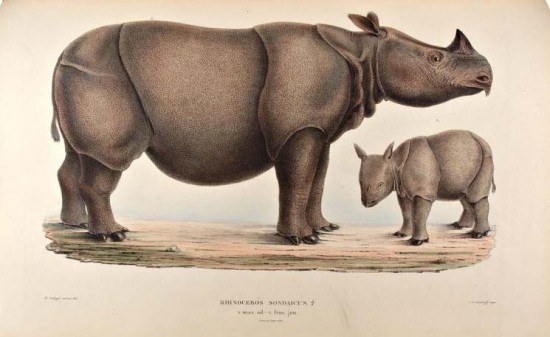
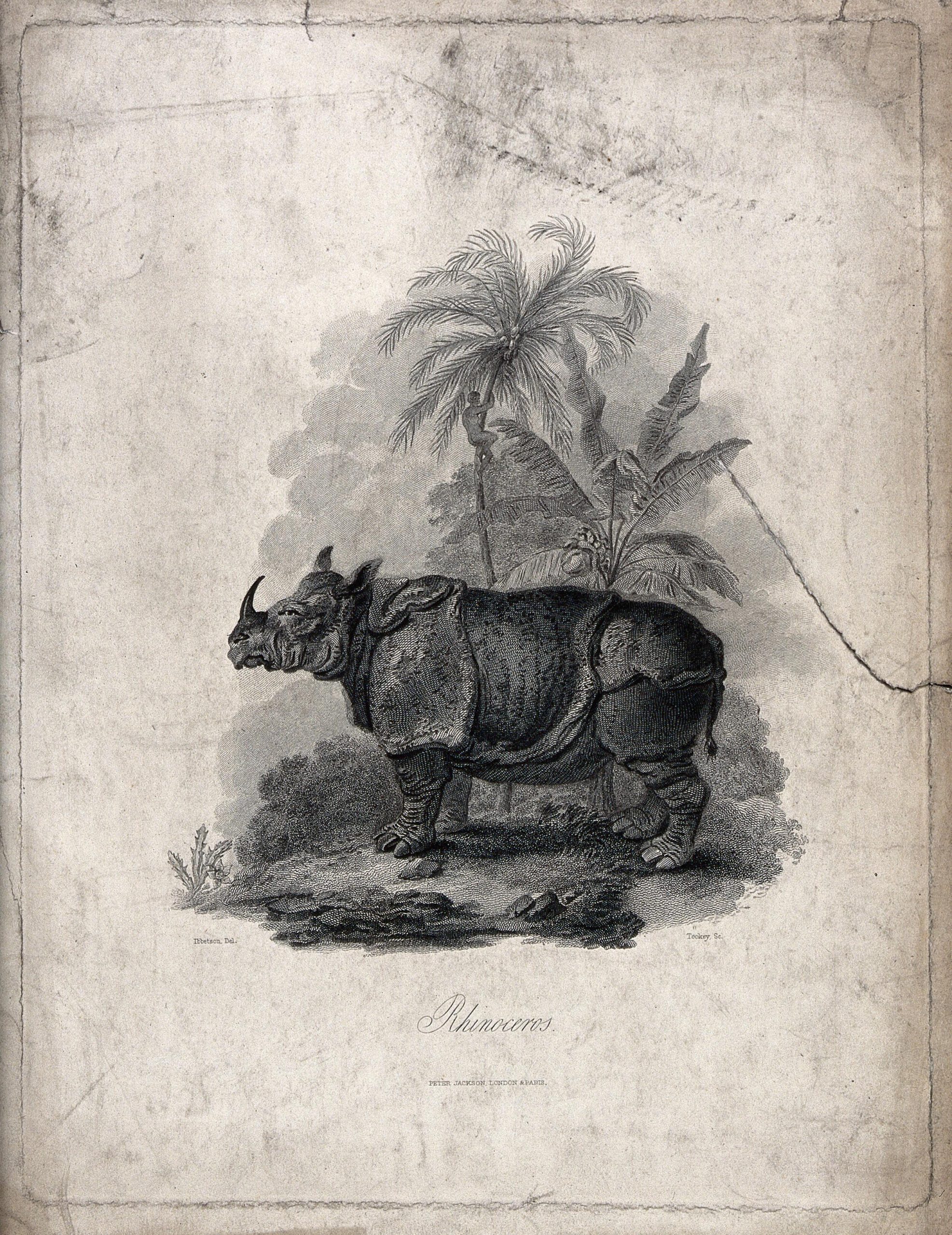
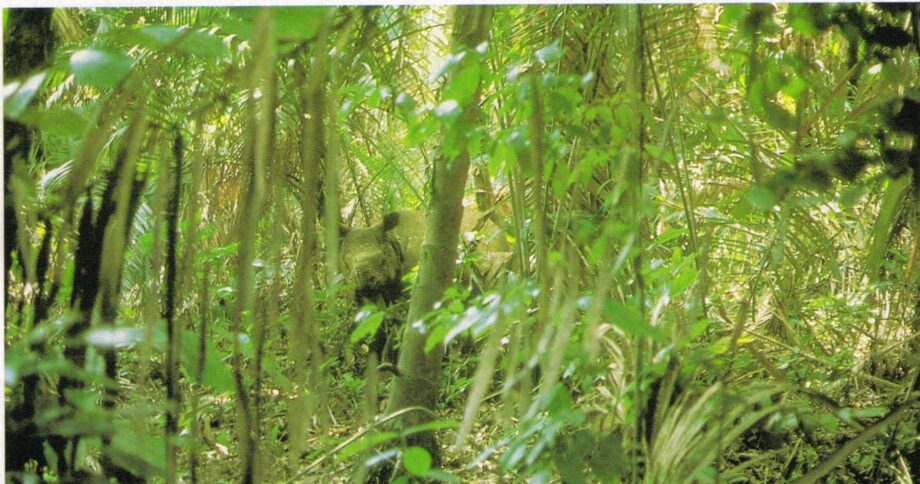
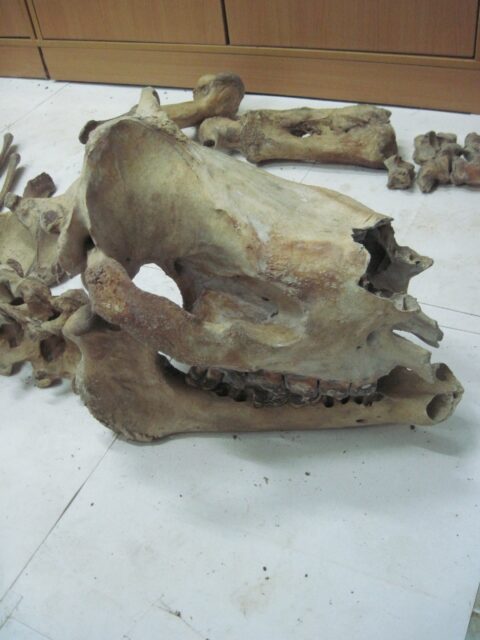
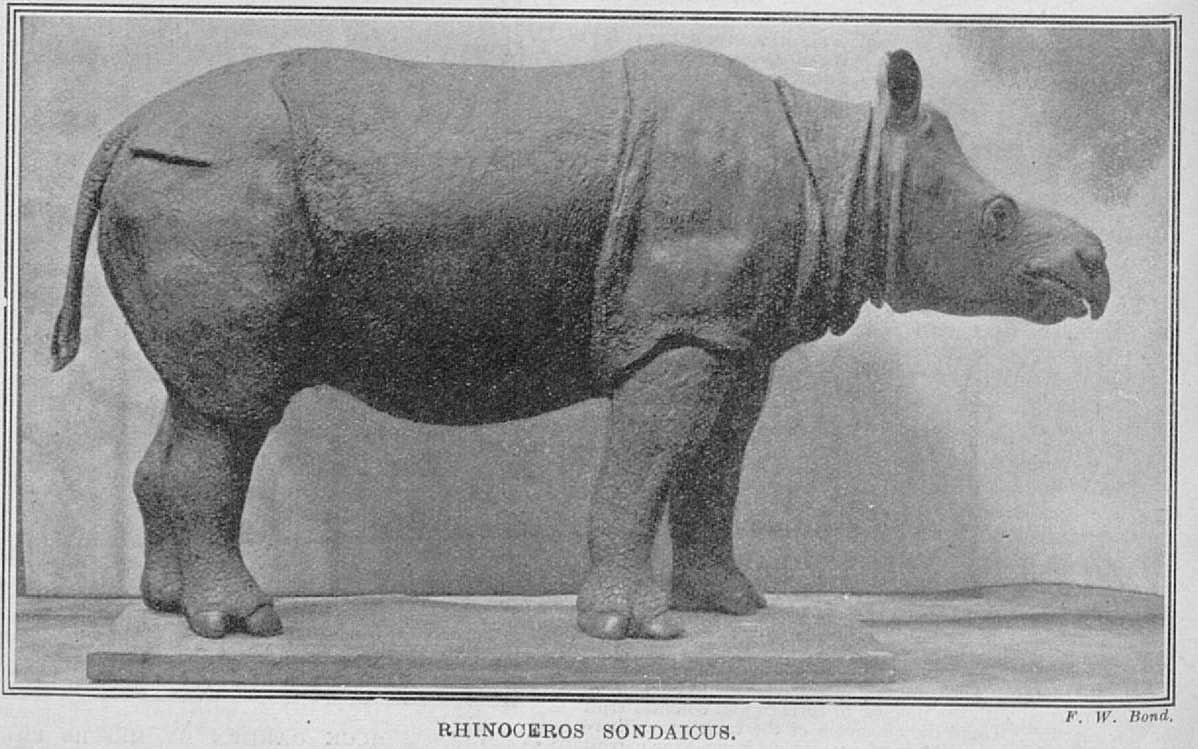
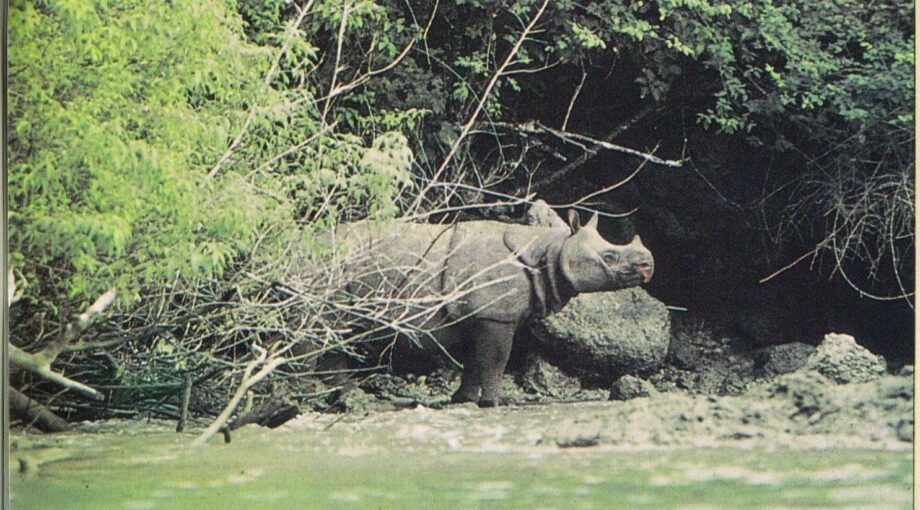
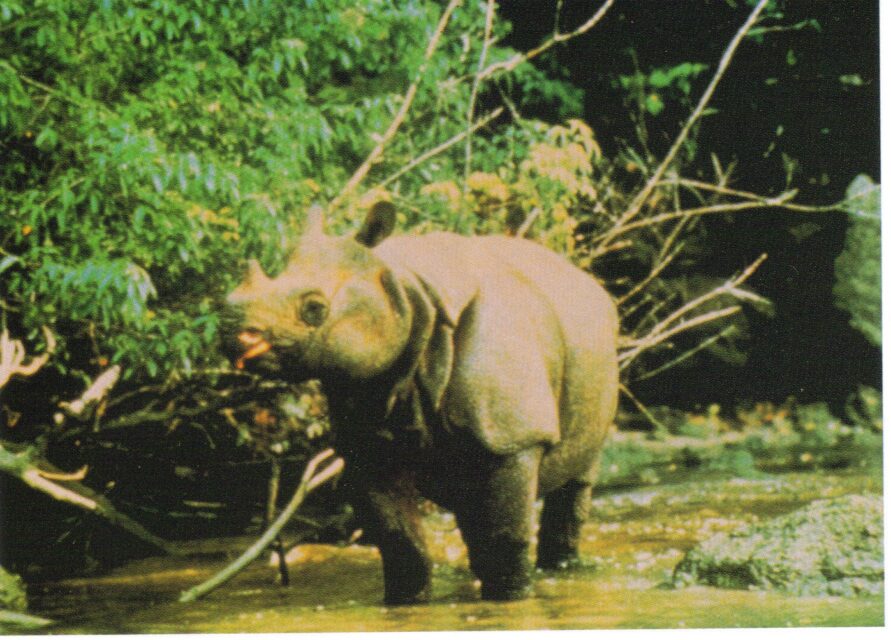
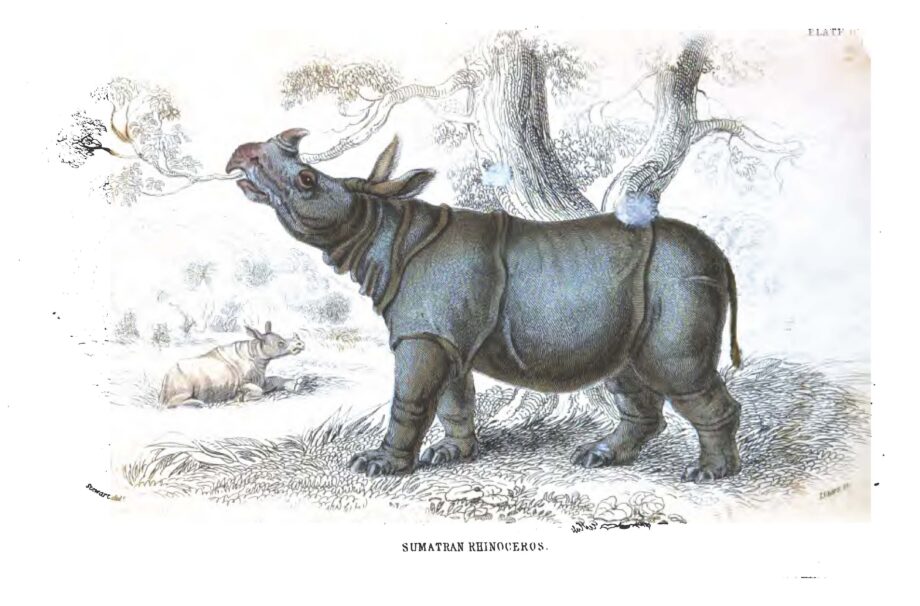
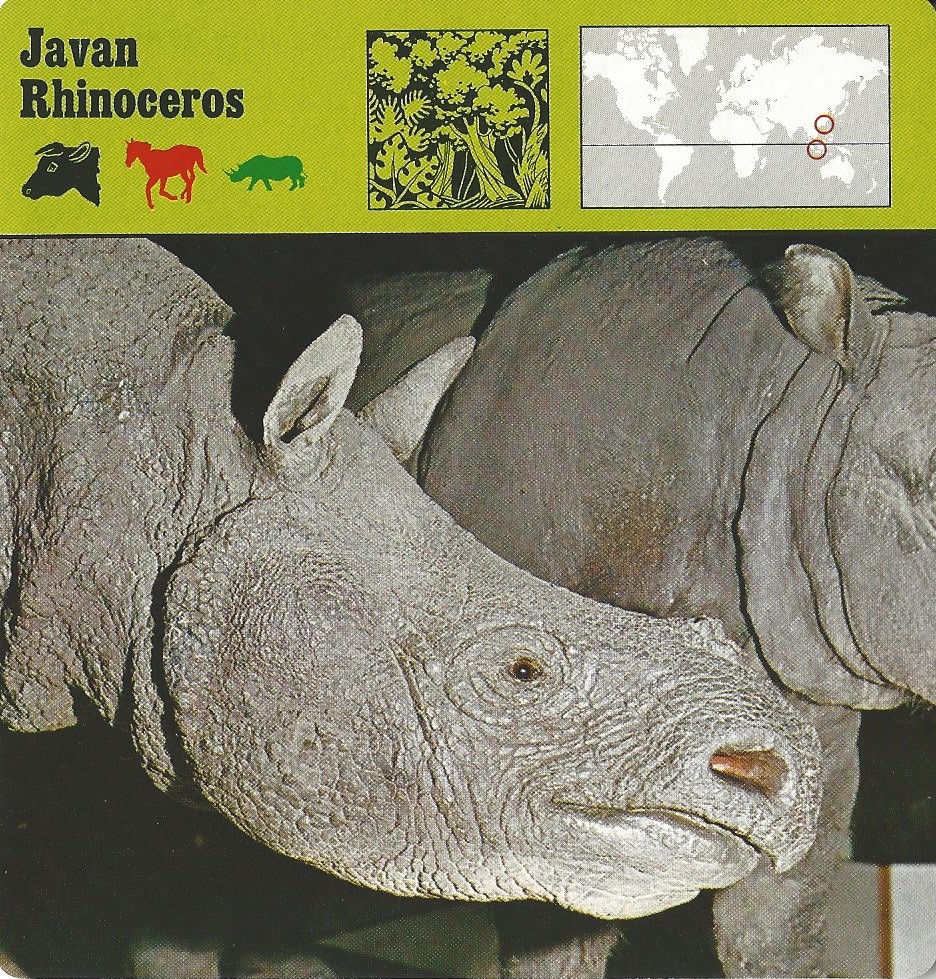
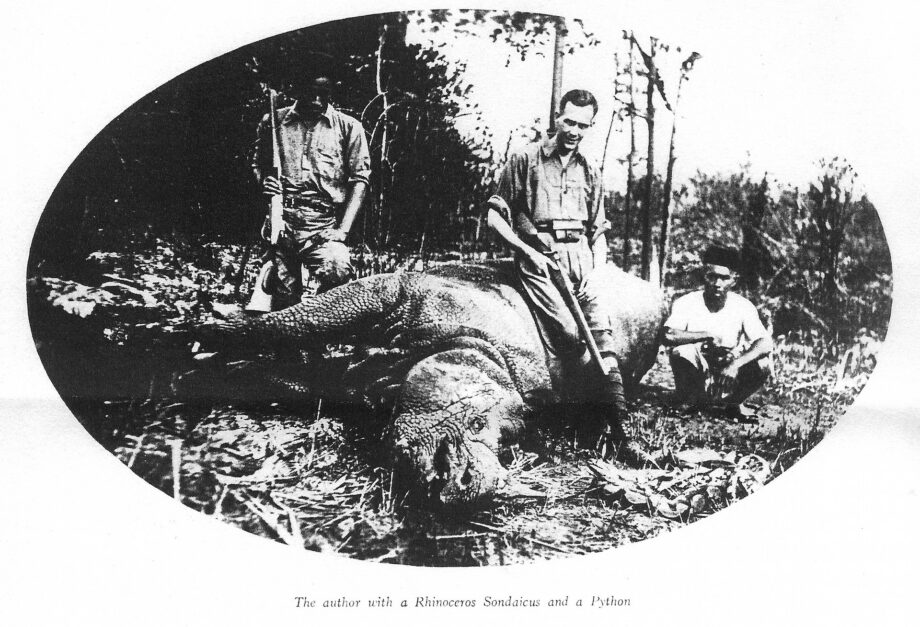
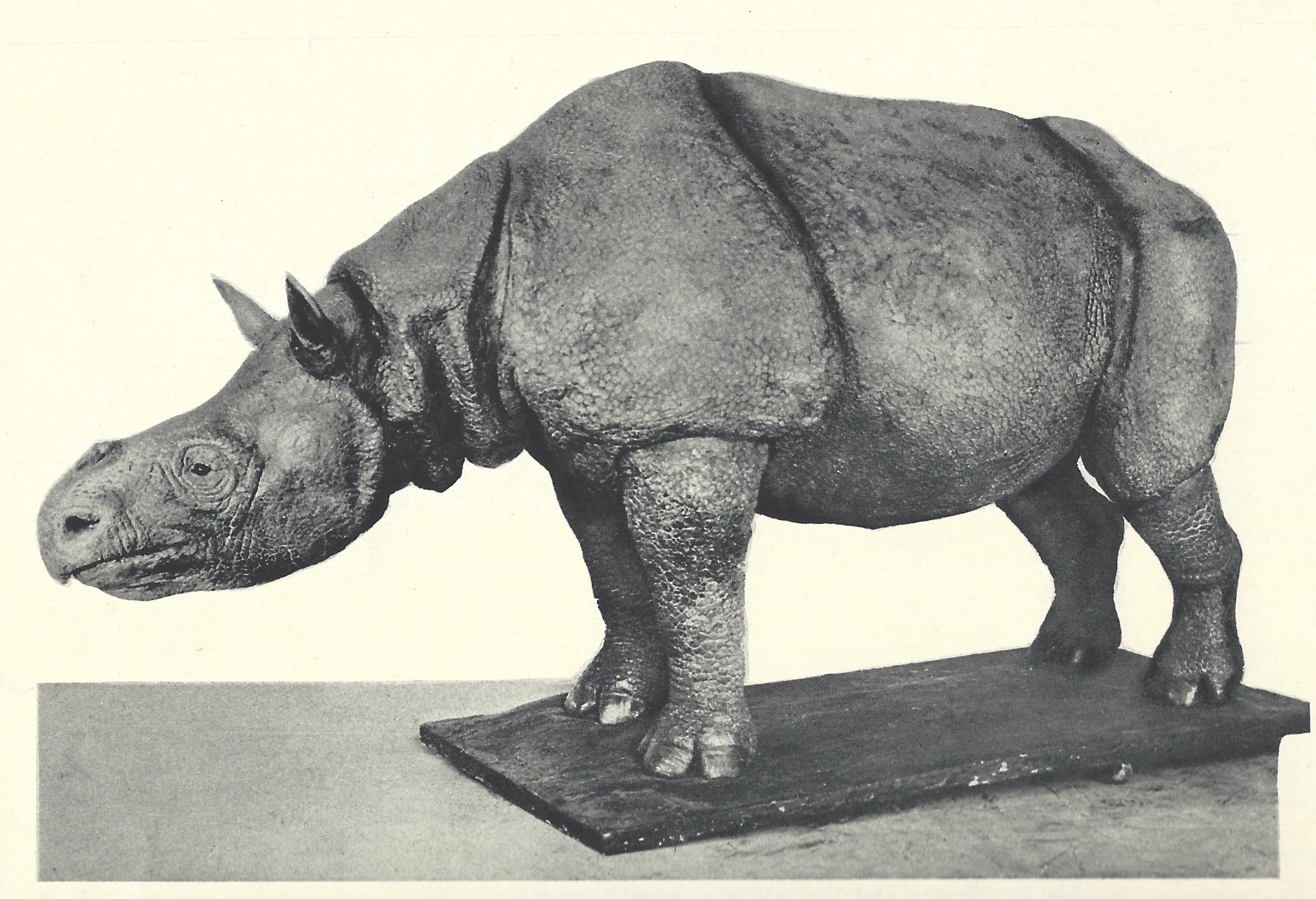
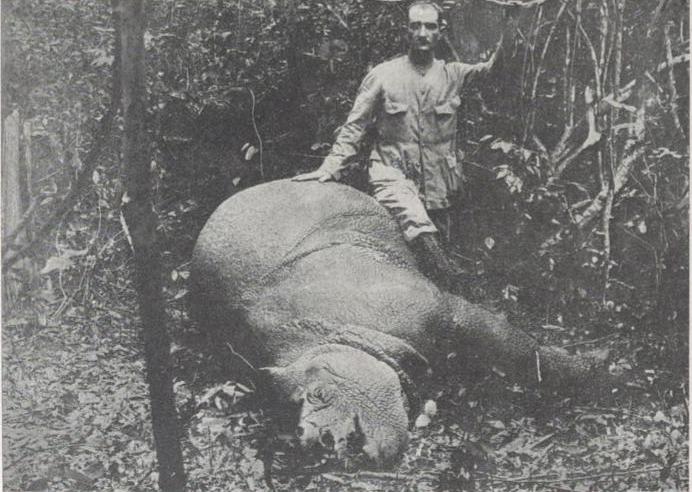
The Javan rhinoceros has only one horn, like the Greater one-horned rhinoceros. The two species are similar, but the Javan rhinoceros has a conspicuous triangular shield in the shoulder region. They used to be widely distributed throughout South-East Asia from India and Bangladesh to Vietnam, and to Java. It is now one the rarest mammal species on earth.
Status
Critically Endangered in the IUCN’s Red List
CITES Appendix I
Scientific Name
The scientific name is Rhinoceros sondaicus Desmarest, 1822. Derivation of genus name Rhinoceros: Greek ῥινόκερως, from Greek ῥίς rhis (genitive ῥινός rhinos) (nose, nostril) and Greek κέρας keras (horn). Derivation of specific name sondaicus: latinized adjective form of Sunda or Sonda (region encompassing most of South- East Asia). The species was named by the French zoologist Anselme Gaëtan Desmarest (1784-1838). The type-specimen (preserved in the Muséum national d’Histoire Naturelle in Paris) was collected in Java (Indonesia) by the French collector Pierre-Médard Diard (1794-1863) in 1820.
Other names proposed
Rhinoceros javanicus F.Cuvier, 1824; Rhinoceros camperis Griffith, 1827; Rhinoceros javanus G.Cuvier, 1829; Rhinoceros camperii Jardine, 1836; Rhinoceros inermis Lesson, 1836; Rhinoceros nasalis Gray, 1868; Rhinoceros floweri Gray, 1868; Rhinoceros jamrachi Jamrach, 1875; Rhinoceros frontalis von Martens, 1876; Rhinoceros annamiticus Heude, 1892; Rhinoceros “unicornis” sinensis Laufer, 1914 (preoccupied).
Subspecies as currently recognised:
Rhinoceros sondaicus sondaicus Desmarest, 1822 – Java, Sumatra, Malaysia
Rhinoceros sondaicus annamiticus Heude, 1892 – Vietnam, Lao PDR, Cambodia
Rhinoceros sondaicus inermis Lesson, 1836 – India, Bangladesh, Thailand, Myanmar
Common Names
Javan rhinoceros; Lesser one-horned rhinoceros; Smaller one-horned rhinoceros; Sundarbans rhinoceros
Measurements – Javan Rhino
Length, head and body: 3.05 – 3.44 m
Height at shoulders: 120-170 cm, maximum 178 cm
Girth: no data
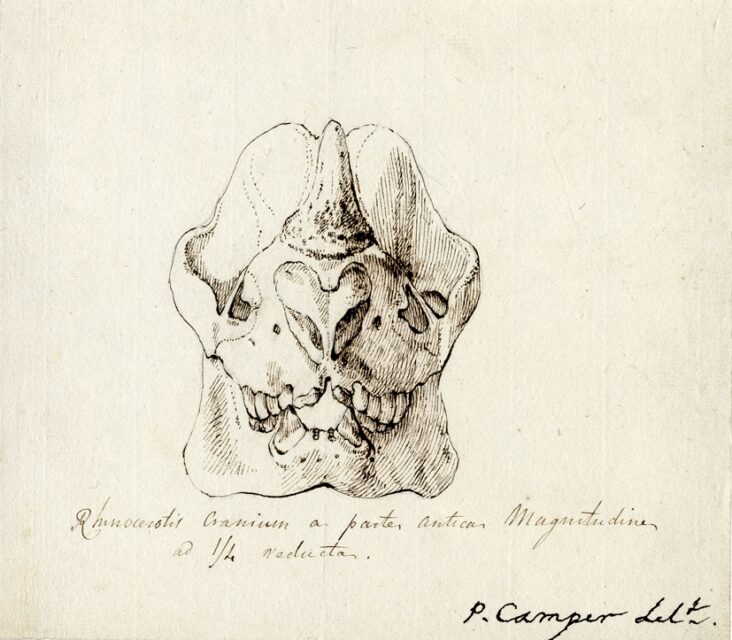
Horn length: average 20-25 cm. Record is 36.8 cm (Adelaide Zoo). Females often hornless.
Weight: 1200-1500 kg, up to maximum 2,300 kg
Lifespan
probably 40 years. Record in captivity is 20 years 9.5 months
Chromosomes
Chromosomes: 2n=82
Javan Rhino Reproduction
Rhinos give birth to 1 calf.
Gestation period: probably 16 months (no captive births recorded)
Birth intervals per calf: 4 to 5 years.
Female sexual maturity: possibly 4 years
Male sexual maturity: possibly 7 years
Newborn weaned: at 18 months
Distribution – Javan rhinoceros
Historical Natural Range (starting 1500):
Java (except extreme east), Sumatra (last killed 1933), Malaysia (very rare in 1930s), parts of Thailand (only south-west), parts of Myanmar, Lao DPR, Cambodia, Vietnam, Bangladesh (Sundarbans), India (Sundarbans and northern West Bengal). Never found in Hainan. Never found in Borneo. Never found in Singapore. The population surviving in Cat Tien National Park, Vietnam was exterminated in 2011.
Current distribution
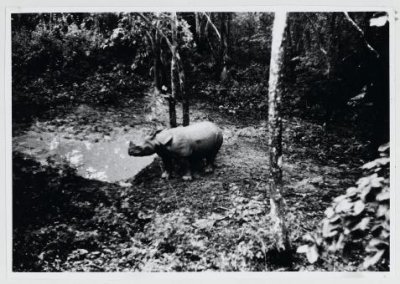
Only survives in Ujung Kulon National Park on the western tip of Java, Indonesia.
Captivity – Javan Rhino
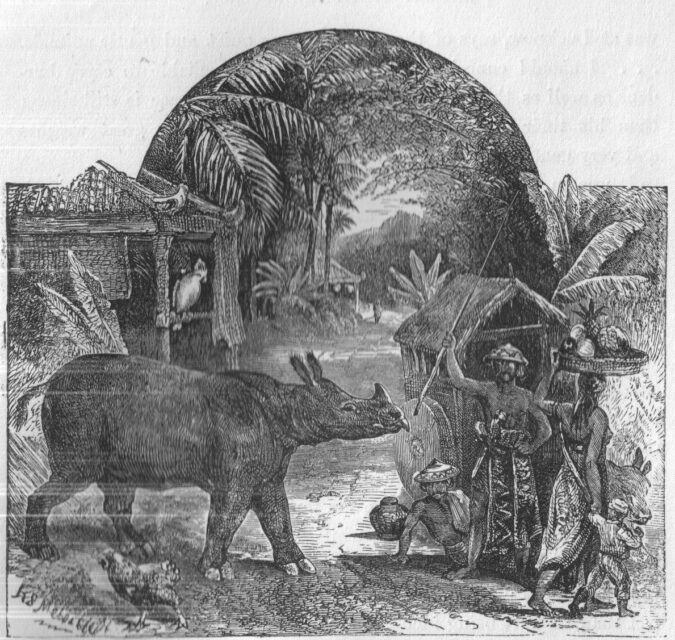
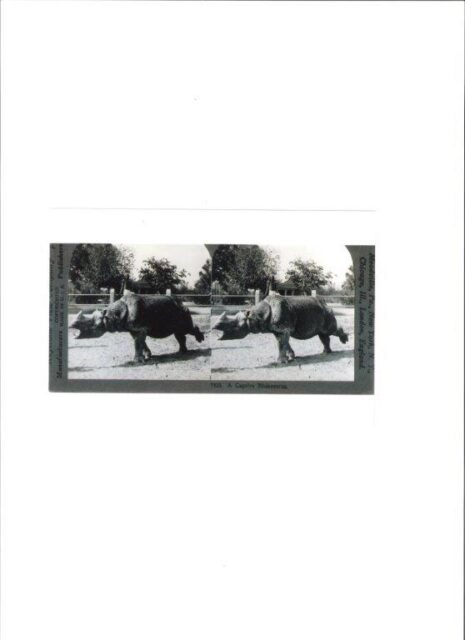
Rarely seen historically in captivity. In total 39 specimens have been recorded in captivity, of which 19 in South Asia. Famous examples in zoos outside the range states were in London (1874-1885), Calcutta (1877-1892), Adelaide (1886-1907). The last seen (in Bangkok) died around 1939.
First birth: nil