

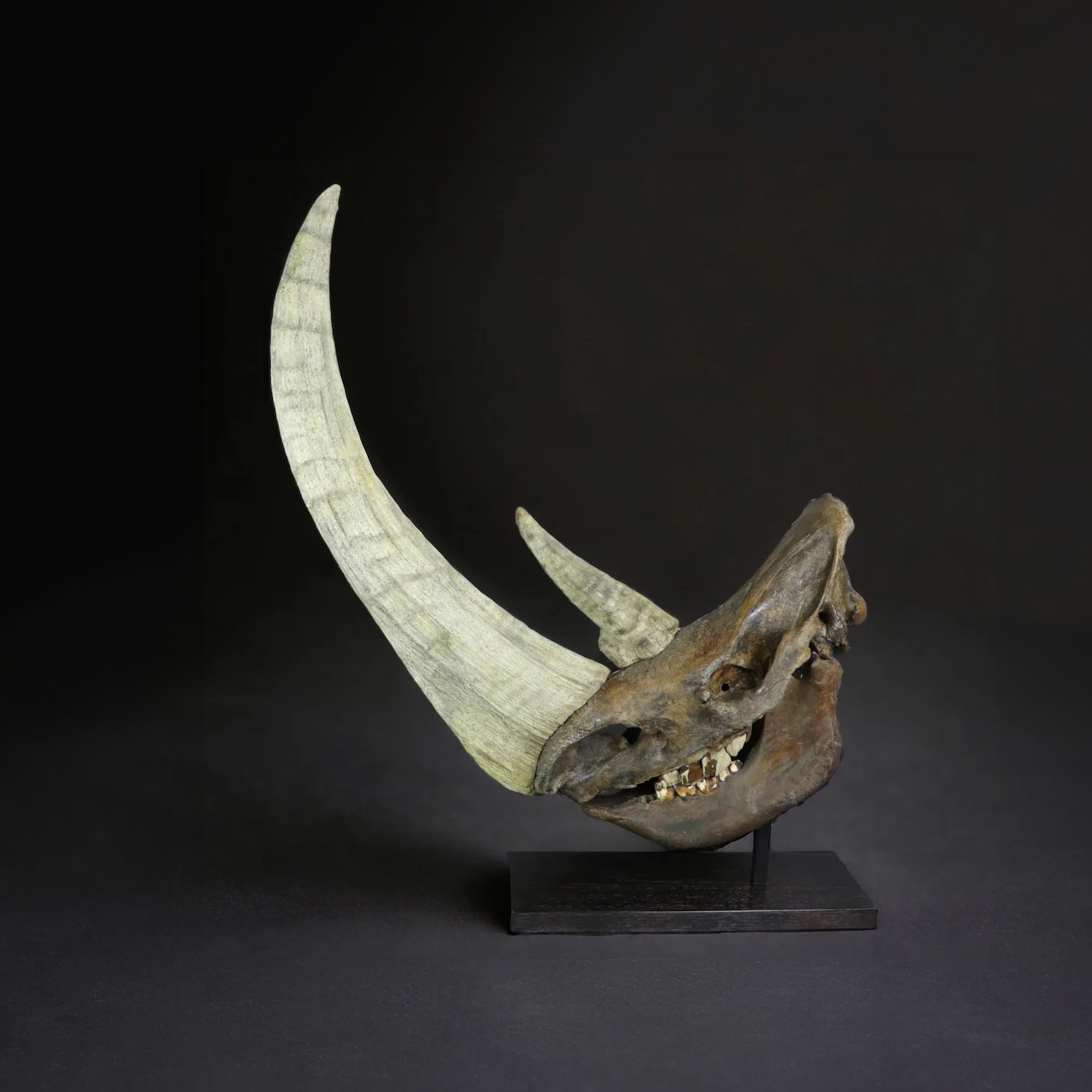
Fossil Rhinoceroses represent an extensive and diverse group of extinct perissodactyls that flourished across multiple continents for over 50 million years. The family Rhinocerotidae first appeared during the Eocene epoch and underwent remarkable evolutionary radiation, producing over 100 recognised species ranging from dog-sized running forms to the massive Paraceratherium, the largest land mammal ever known, standing 5Continue reading “Fossil Rhino”
Species Archives
Sumatran Rhino
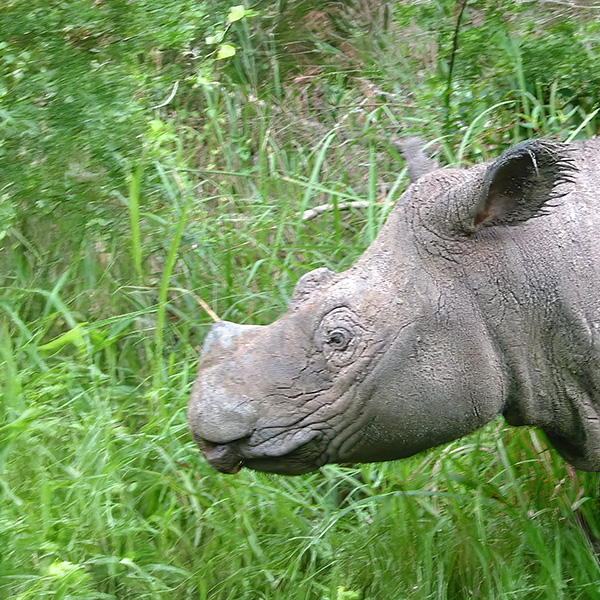
Dicerorhinus sumatrensis (G. Fischer, 1814) Overview The Sumatran rhinoceros is the only species with two horns in Asia. It is small and hairy. It is one of the most endangered mammals on earth, with low numbers, spread over small pockets, and with many animals being reproductively challenged. Status Critically Endangered in the IUCN’s Red ListContinue reading “Sumatran Rhino”
Black Rhino
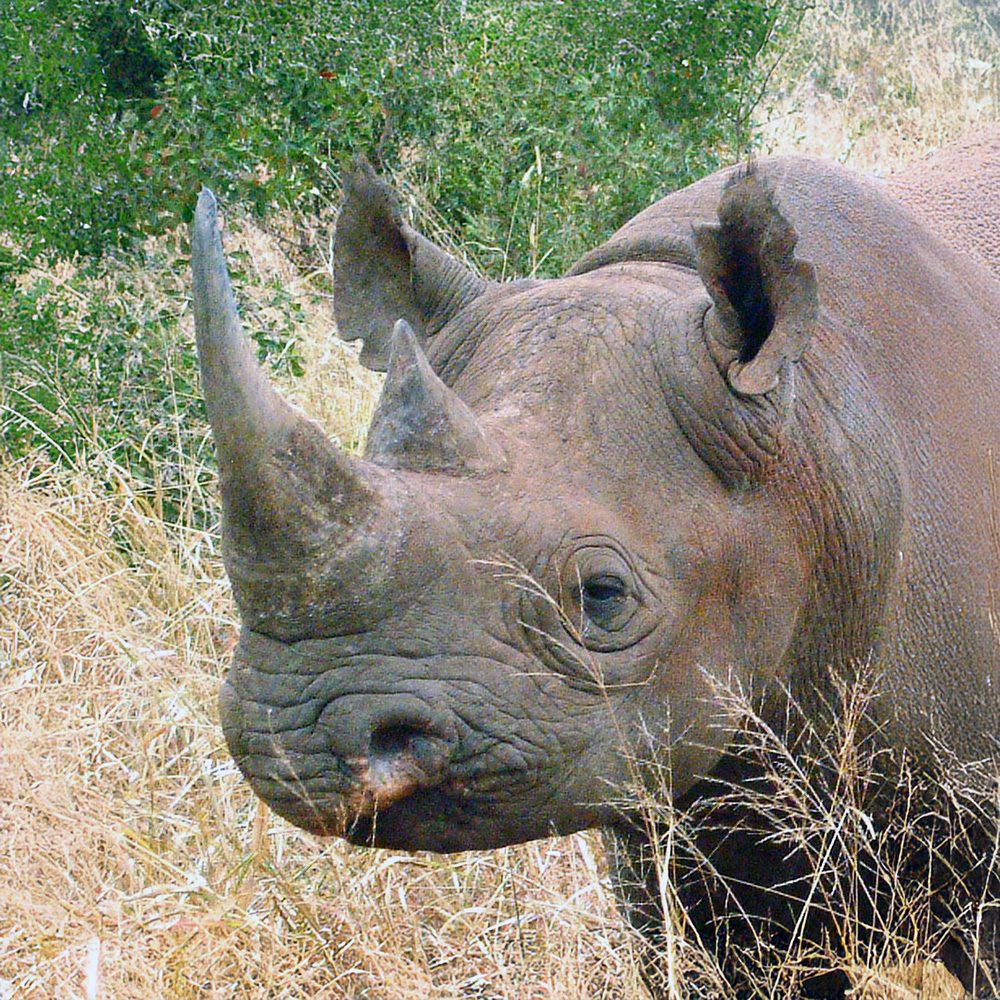
The Black Rhinoceros is a herbivorous browser that belongs to the order of the Perissodactyla. It’s one of the two species of Rhinos native to Africa and it’s current range includes Southern and Eastern areas of Africa.
Southern White Rhino
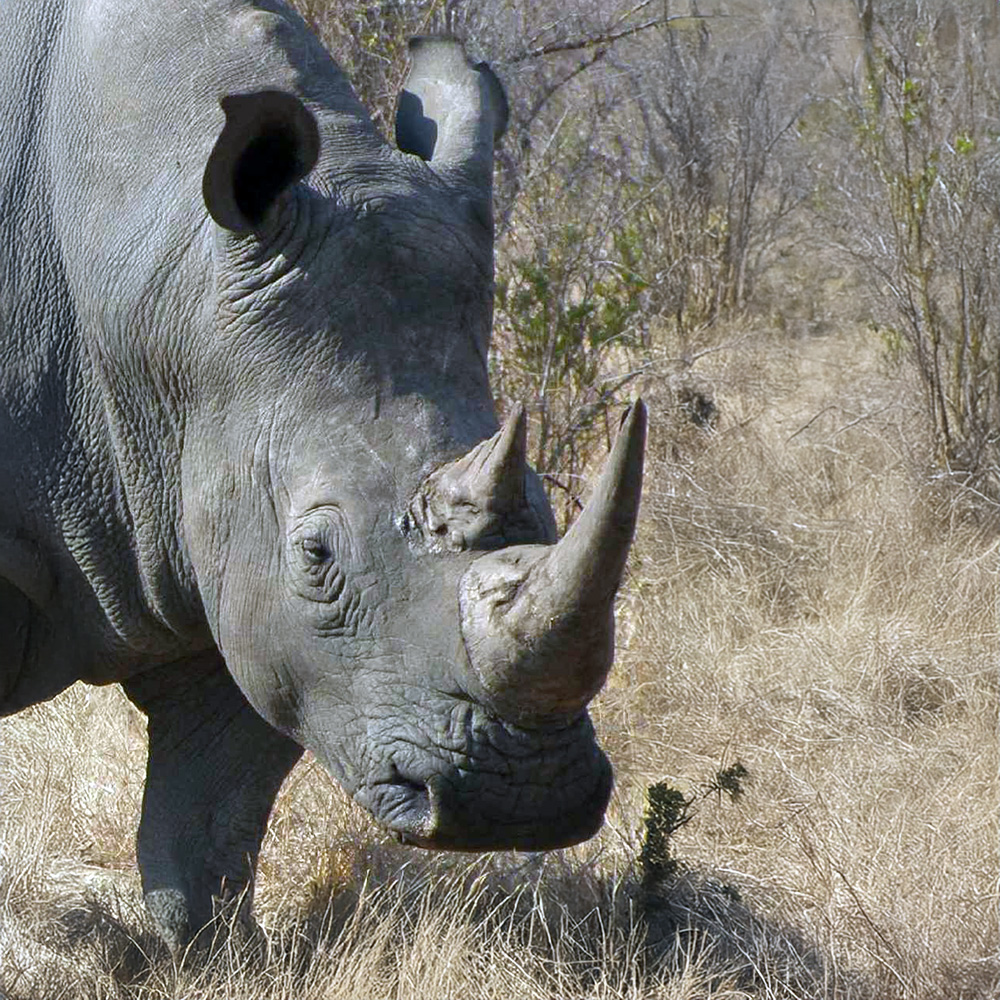
The White Rhinoceros is a herbivorous grazer belonging to the order of the Perissodactyla and is the second most massive remaining land animal in the world.
Nile Rhino
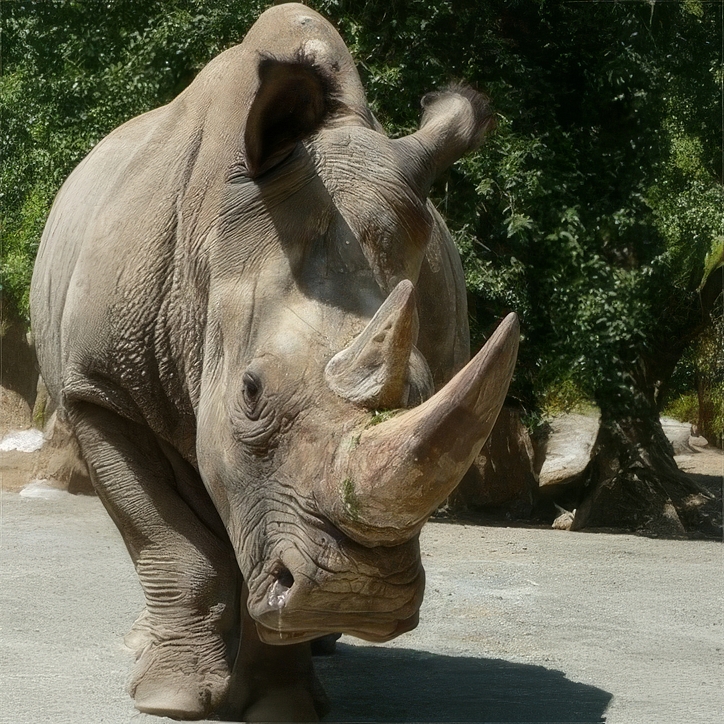
Also called Northern white rhinoceros Ceratotherium cottoni (Lydekker, 1908)orCeratotherium simum cottoni (Lydekker, 1908) Overview The Nile rhinoceros is a large animal, with two horns, found in the central parts of Africa. It is similar to the White rhinoceros in southern Africa, without overlapping ranges. Status Critically Endangered in the IUCN’s Red List. Only two animalsContinue reading “Nile Rhino”
Greater One-horned Rhino
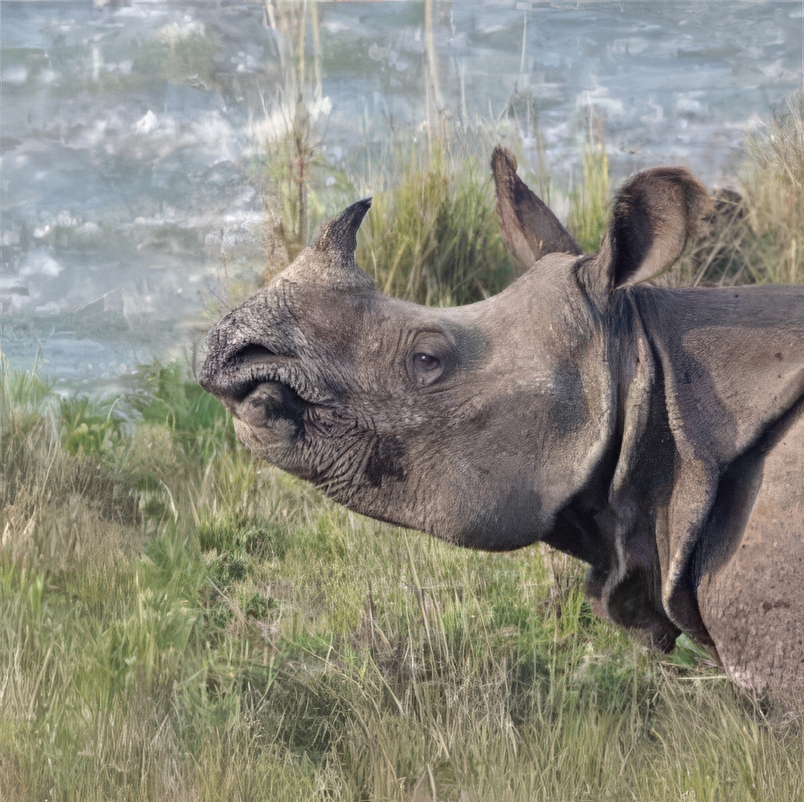
Rhinoceros unicornis Linnaeus, 1758 Overview The Greater one-horned rhinoceros is the largest of three species of rhinoceros in Asia. It has conspicuous skin fold in the neck region, with a single horn, and dentition with incisors and lower canines. Status Vulnerable in the IUCN’s Red List CITES listing: Appendix I Scientific Name The scientific nameContinue reading “Greater One-horned Rhino”
Javan Rhino
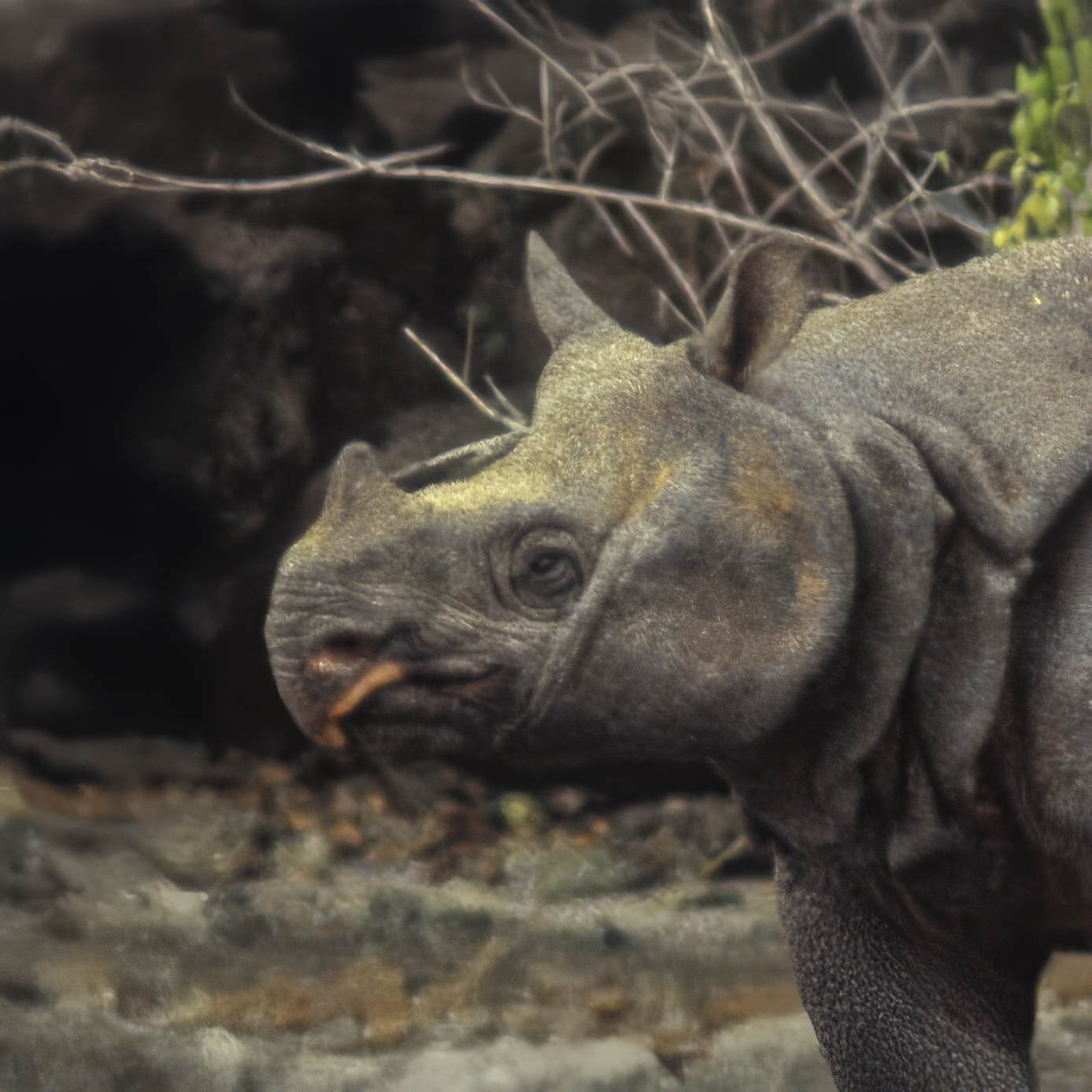
Rhinoceros sondaicus Desmarest, 1822 Overview The Javan rhinoceros has only one horn, like the Greater one-horned rhinoceros. The two species are similar, but the Javan rhinoceros has a conspicuous triangular shield in the shoulder region. They used to be widely distributed throughout South-East Asia from India and Bangladesh to Vietnam, and to Java. It isContinue reading “Javan Rhino”