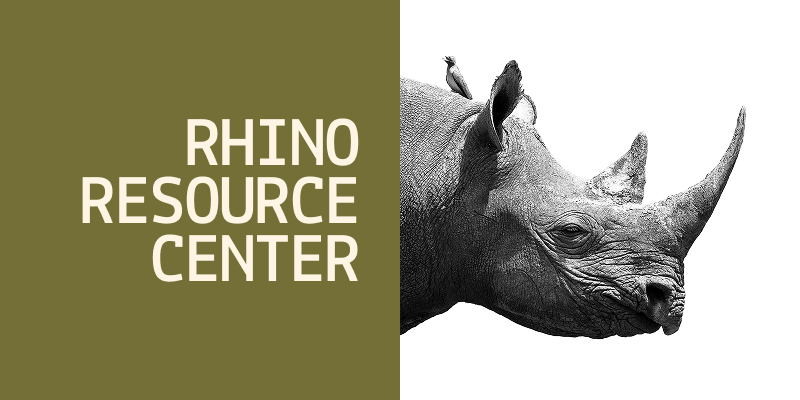


the one or more horns upon the nose are formed of compressed hair.
The horn was in olden times much valued for the manufacture of drinking cups, such vessels being alleged to detect poison poured into them. Today the horn is in great demand amonst Chinese as a tonic, and commands fourteen pounds per pound weight.
The famous 'white rhinoceros' of Africa weighs over two tons, and sometimes carries a horn a yard long.
These animals are massively built mammals distantly related to the horse. This kinship was much more apparent in prehistoric times when rhinoceroses roamed all over the world, and were represented by a large number of species. Some were big, bulky creatures covered in wool, and able to live amongst snow where they grubbed, like reindeer, for moss. Others were light, 'horsy' animals suggestive of Shetland ponies. The largest mammal the world has ever seen was an Asiatic rhinoceros standing seventeen feet high at the shoulder.
In modern rhinoceroses, which are confined to Asia and Africa, the skin is from half an inch to one and a half inches thick. There are three toes on each foot, and the one or more horns upon the nose are formed of compressed hair. Rhinos are exclusively vegetarian, Asiatic kinds being swamp dwellers, whilst those of Africa affect open country, feeding on grass or leaves.
1937, horn 14 pounds per pounds weight
The famous 'white rhinoceros' of Africa weighs over two tons, and sometimes carries a horn a yard long.

