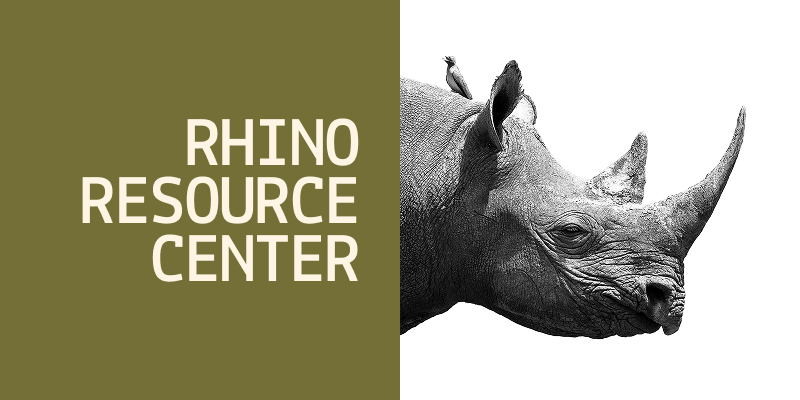


Of the rhinoceros, four distinct varieties are enumerated, two with a single, and two with a double horn. The most familiar is the Rhinoceros unicornis, commonly found in the Brahmaputra valley, and in the Sundarbans. It has but one horn, and is covered with massive folds of naked skin. It sometimes attains a height of 6 feet ; its horn, which is much prized by the natives for medicinal purposes, seldom exceeds 14 inches in length. It frequents swampy, shady spots, and wallows in mud like a pig. The traditional antipathy of the rhinoceros to the elephant seems to be mythical. The Javan rhinoceros (R. sondaicus) is found in the same localities. It also has but one horn, and mainly differs from the foregoing in being smaller, and having less prominent ‘shields,' The Sumatran rhinoceros (R. sumatrensis) is found from Chittagong south-wards through Burma. It has two horns and a bristly coat. The hairy-eared rhinoceros (R. lasiotis) is only known from a specimen captured at Chittagong; and now (1881) in the Zoological Gardens, London.
Hunter, W.W. 1882. The Indian empire: its history, people and products. London, Smith, Elder and Co..
The Indian empire: its history, people and products
Note
Location
World
Subject
General
Species
All Rhino Species

