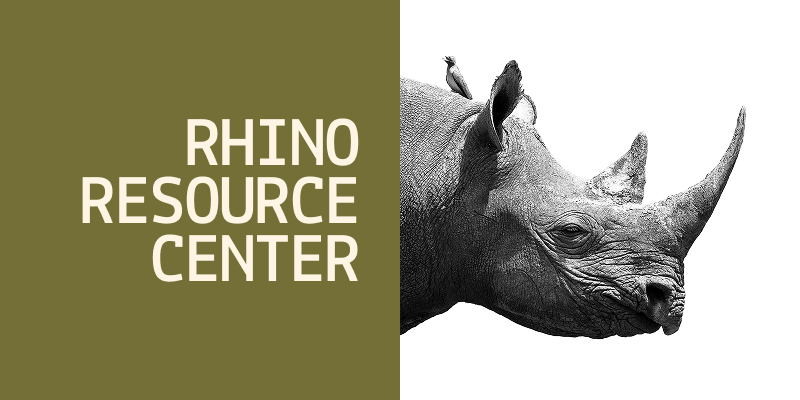


The rhinoceros roams through the forests and jungles on the highest mountains, often descending to the salt swamps and flats skirting the sea for salt water.
The rhinoceros is fierce, but flies from man. When wounded or a female with calf, the rhino is dangerous and hard to kill.
1890, Java, One horn sells for 40 to 150 florins
He is generally unaccompanied, is unsocial and fierce. Sometimes 7 or 8 assemble and visit a coffee or cinchona plantation where they commit serious depredations by eating the tender shoots and uprooting the younger trees.
The carcass of a rhino is prized by the natives, especially by the Java Chinese, who even use the skin in preparations of food. The hide resembles that of a hippopotamus. The horn is highly valued by natives, who belive it will extract the poison of applied to the bite of a serpent or scorpion. They claim that it will adhere to the wound until it absorbs all the venom, and that one piece can be used several times. It is also desirable for the handles of knoves and krises.

