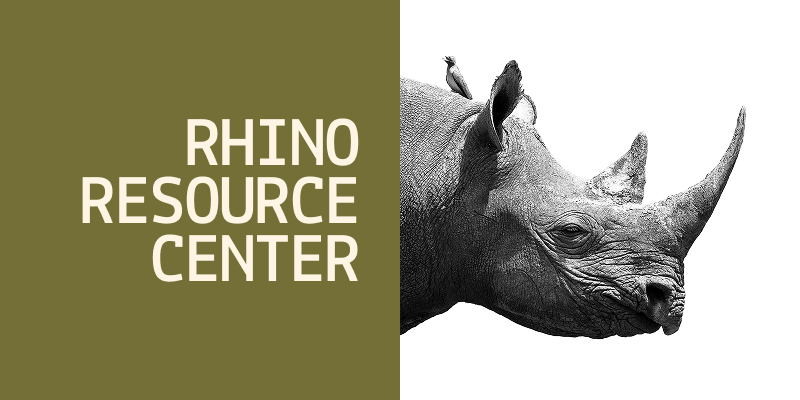


The horn is strictly a fabrication of materials derived from the epidermis, in effect it is made up of agglutinated hair. The rhino has lost the hair from most of its body, the skin being practically hairless, but on its rostrum the hairs have ceased to function solely as a covering, and matting together as fibers they have built up a dense, hard horn that is a very capable weapon.
The horn is a very capable weapon.
When a charging rhino must be turned, if possible without killing, the usual resource is to fire a bullet into the thick part of the horn near the base. The full shock of the bullet is delivered upon the head of the rhino and it is dazed and bewildered. The bullet does not penetrate to a vital part, the horn being so tough that it checks the projectile, but the animal swerves from its course, and in a short space of time recovers from the experience.
The animal frequently wears grooves or furrows in its horn.
