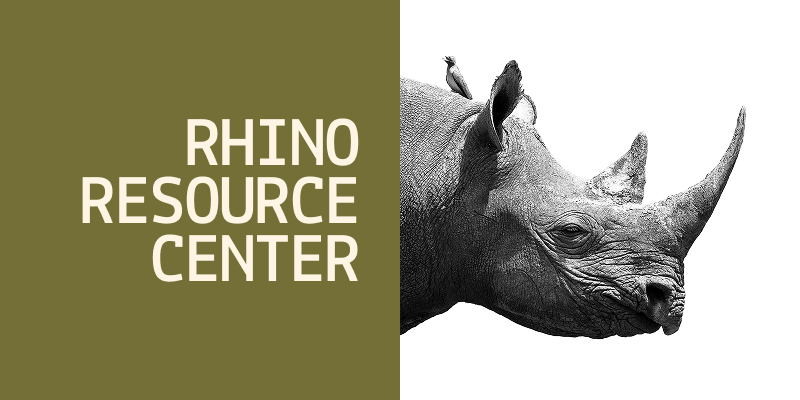


The horns, which are placed on their muzzles, differ essentially in structure from those of other mammals, being composed of modified and agglutinated hairs.
Of the Rhinoceroses there are five or six known species, all large animals, with such thick and unyielding skins as to necessitate in some the formation of deep folds to enable them to move their limbs with any facility, and with three toes on each foot.
it was of a milder and more timid disposition than the ? black ? species, and capable of being tamed.
Whilst in Miocene and Pliocene times this Suborder was represented by a very large number of different forms, it is now so deficient in species and individuals that it must be supposed to be in a more or less decadent condition. This group is now restricted to the African and Indian regions, but in former times they were spread over all Europe, Asia, and America. One of them (R. tichorhinus), a native of Europe and N. Asia, was invested with a coat of thick woolly hairs, just like its contemporary, the Mammoth.
Suborder Perissodactyla. The Perissodactyla, or Odd-toed Ungulates, are represented at the present day by three well-known animals, the Rhinoceros, Tapir, and Horse, which have in common many important characters, chiefly in their teeth and limb-bones, which will be better explained in connection with the skeletons exhibited in the Osteological Gallery.
Its anterior horn is very slender, and has been found to attain a length of over four feet, one of 4 ft. 9 in., the longest known, being on the top of Case 53

