Saikia, M.
 Author
 References by this author
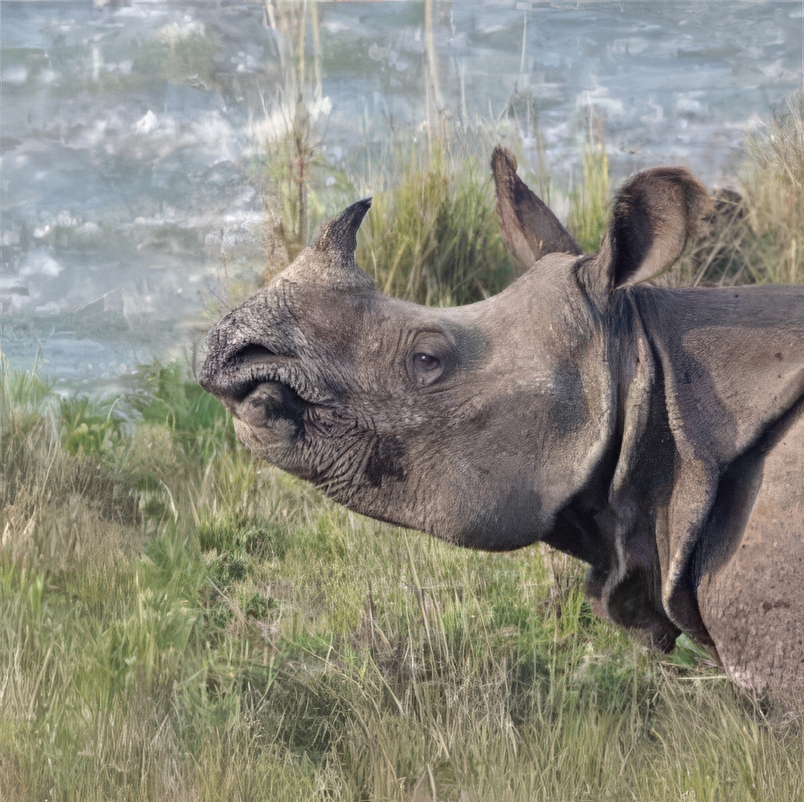
Medhi, S.; Saikia, M.K. 2025. Alert distance as a measure of tolerance and effect of human intervention on the behaviour of Rhinoceros unicornis in Kaziranga National Park. Nature Scientific Reports 15: 32366: 1-11. doi.org/10.1038/s41598-025-01484-3
 PDF download available
Medhi, S.; Saikia, M.K. 2020. The effect of day-night, age-sex and climatic factors on the activity budget of Great Indian One-horned Rhinoceros in Kaziranga National Park, Assam, India. Asian Journal of Conservation Biology 9 (2): 221-239.
PDF download available
Medhi, S.; Saikia, M.K. 2019. Spatial relationship between mother-calf of Rhinoceros unicornis in a predator dominated landscape, Kaziranga National Park, Assam, India. Asian Journal of Conservation Biology 8 (2) Dec: 126-134.
PDF download available
Konwar, P.; Saikia, M.K.; Saikia, P.K. 2009. Abundance of food plant species and food habits of Rhinoceros unicornis Linn. in Pobitora Wildlife Sanctuary, Assam, India. Journal of Threatened Taxa 1 (9): 457-460.
PDF download available