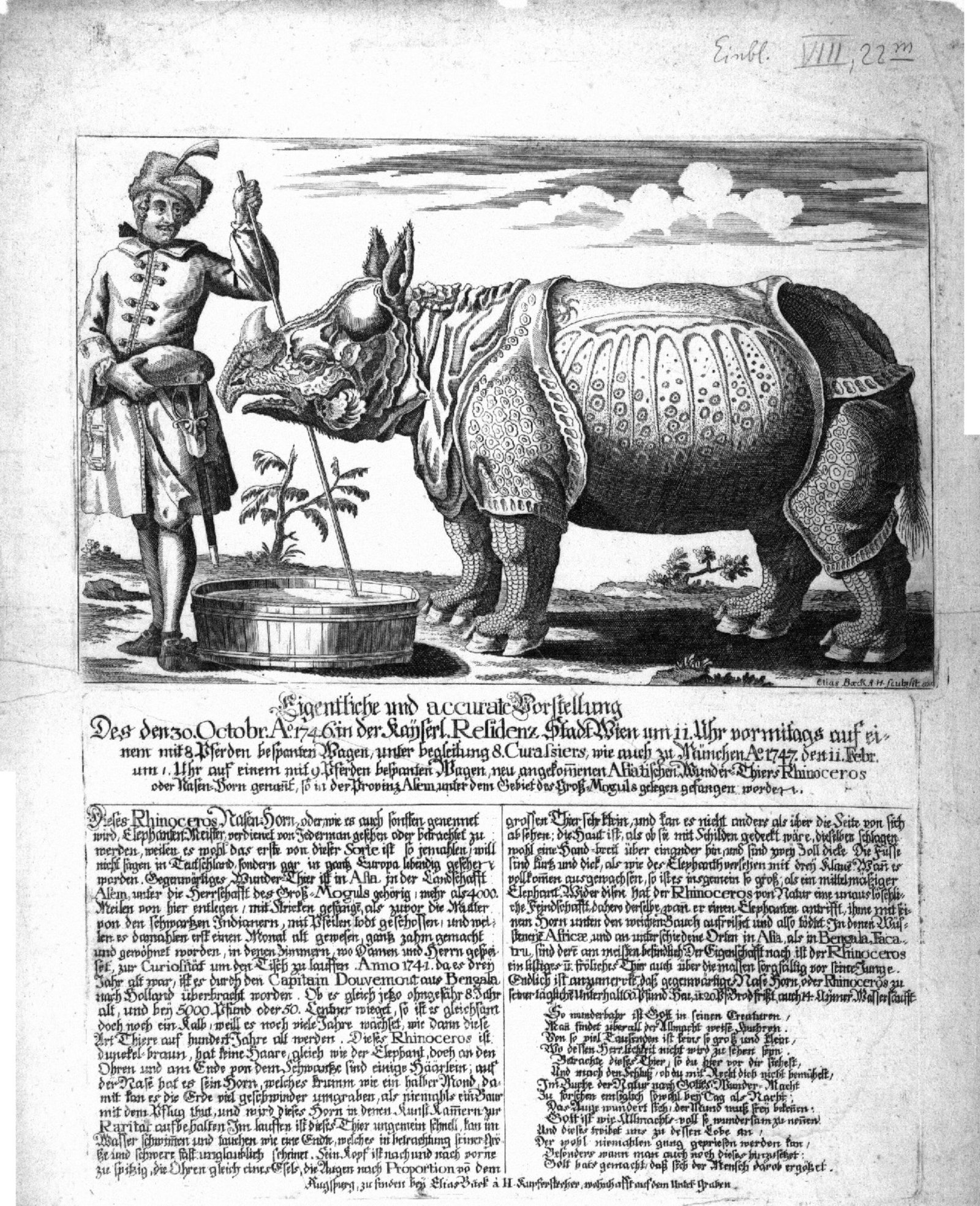
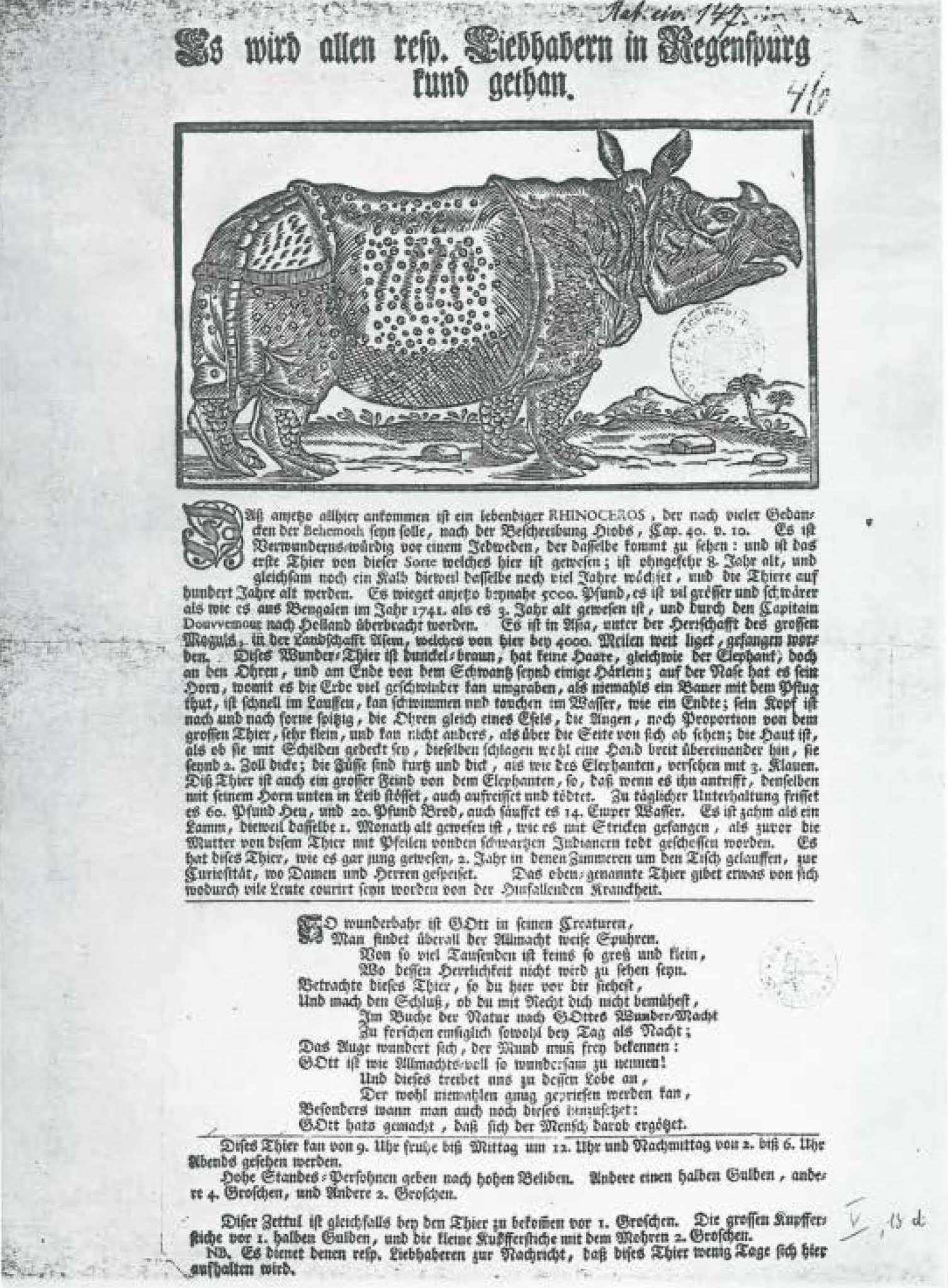
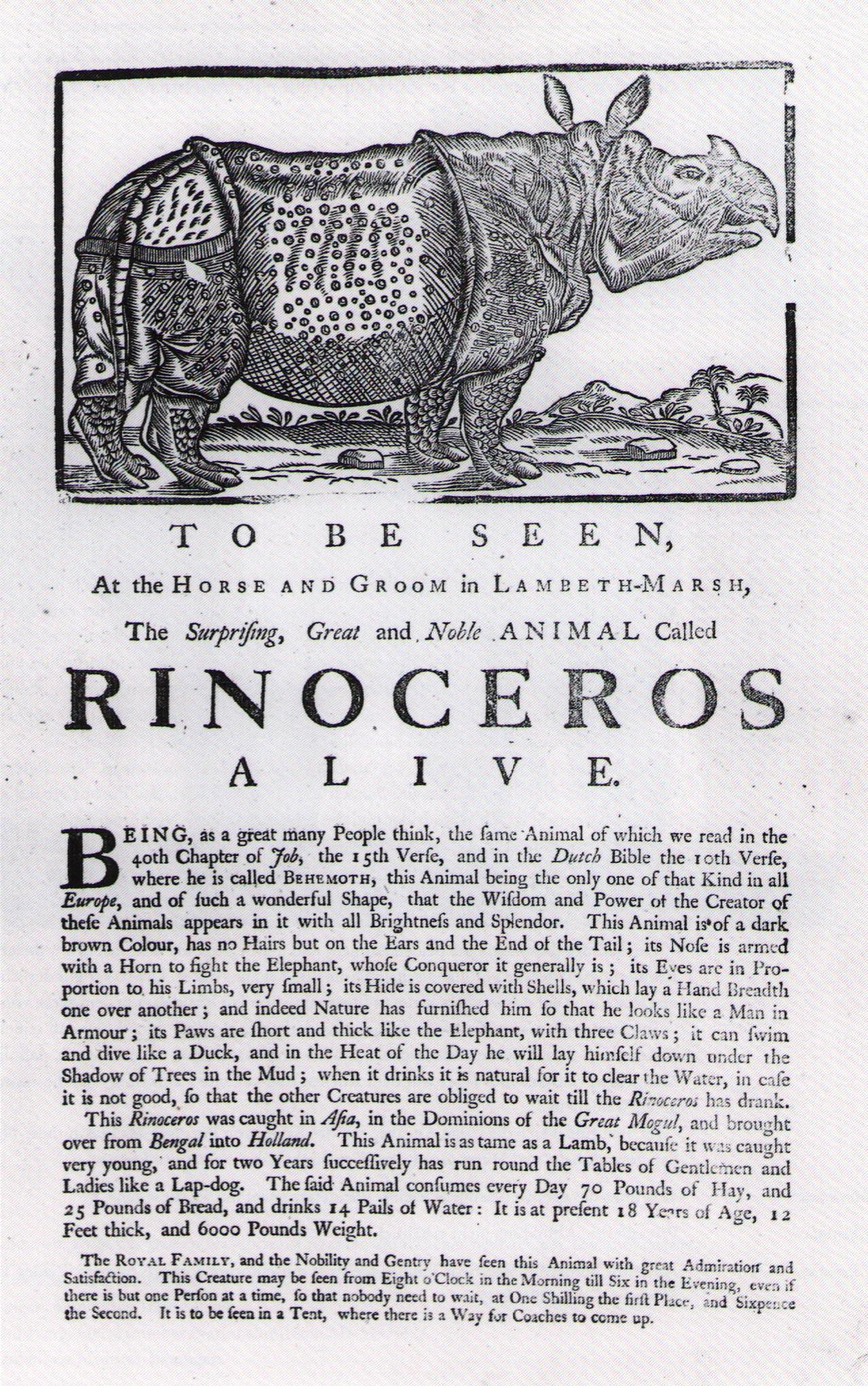
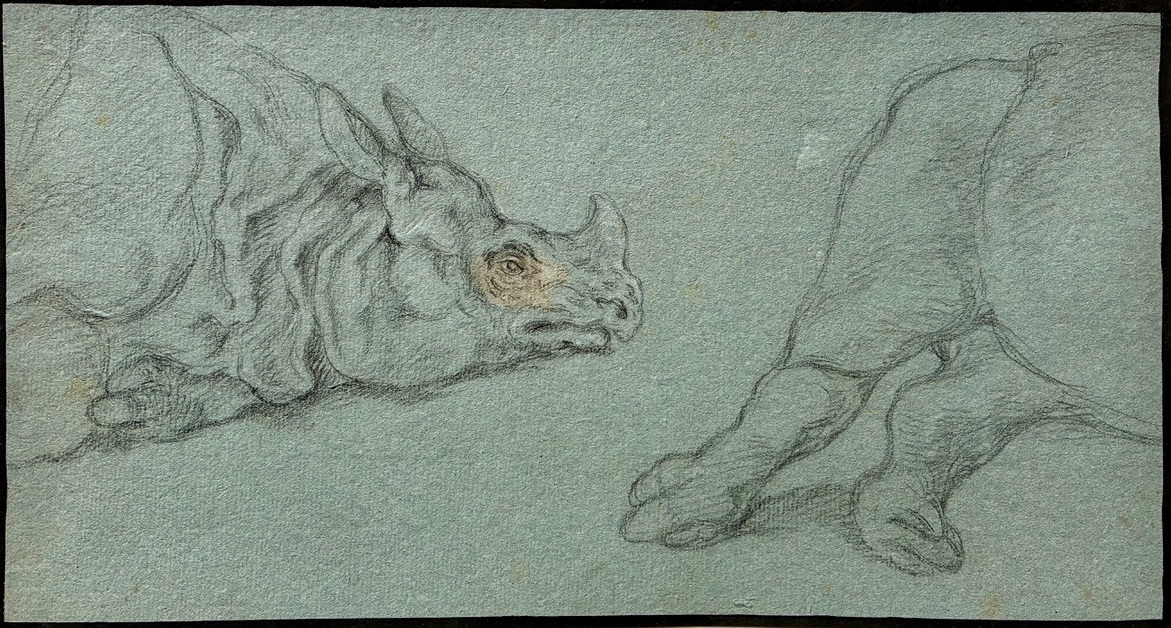
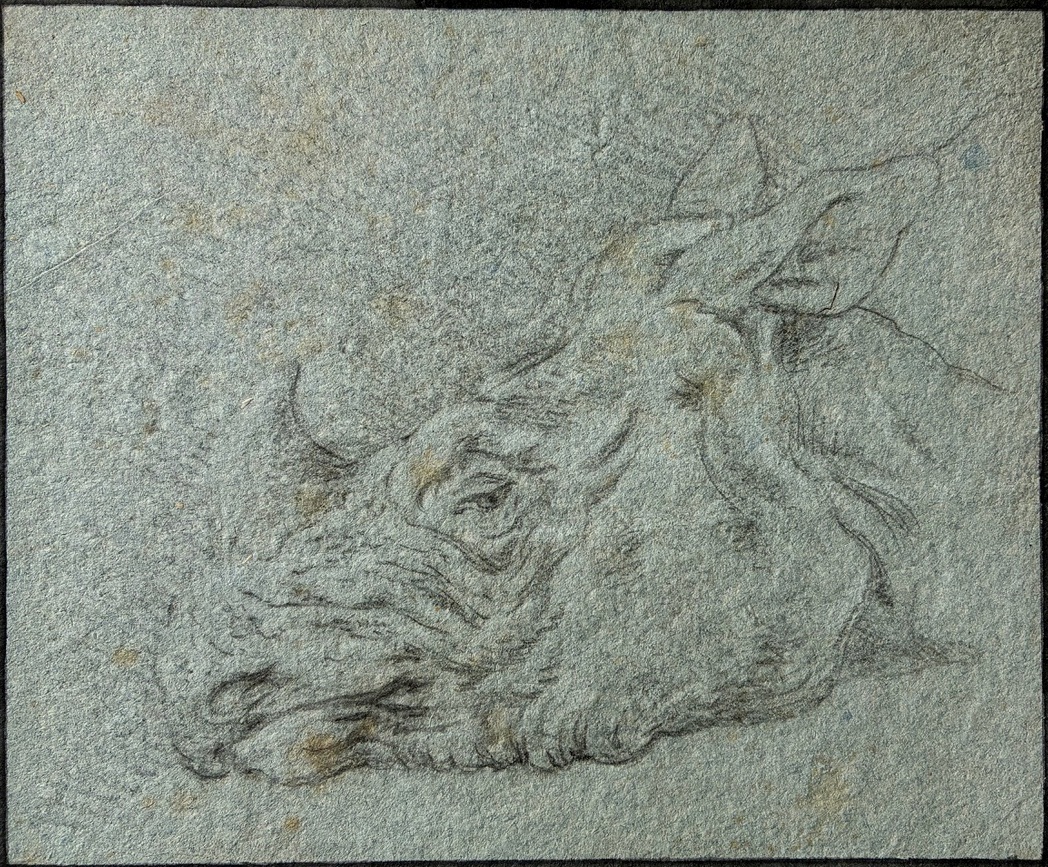
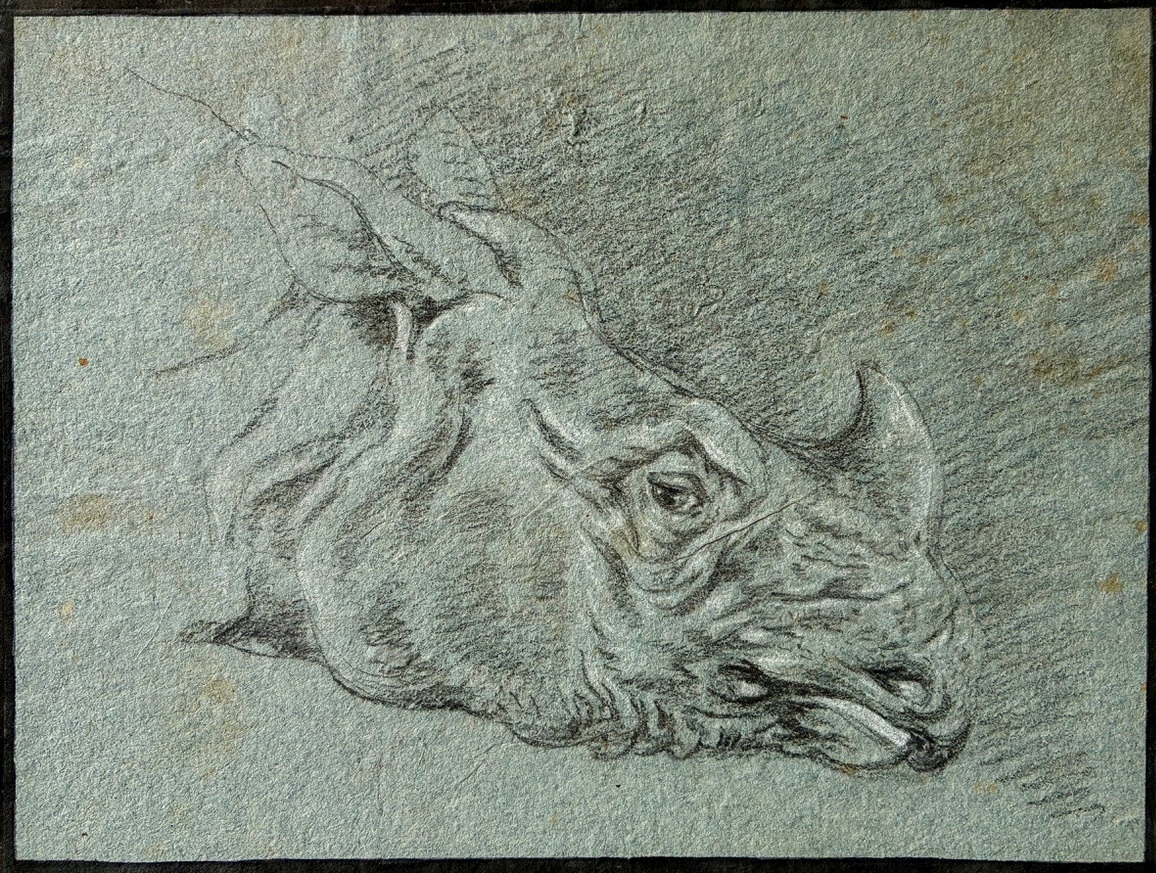
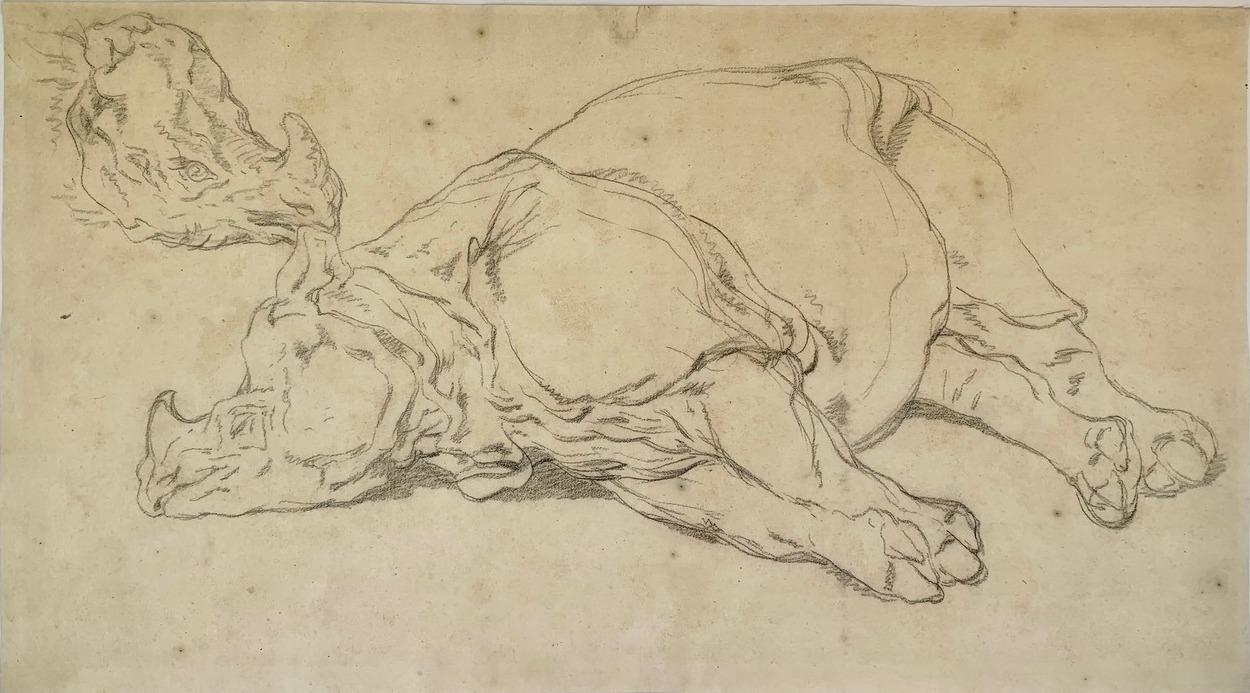
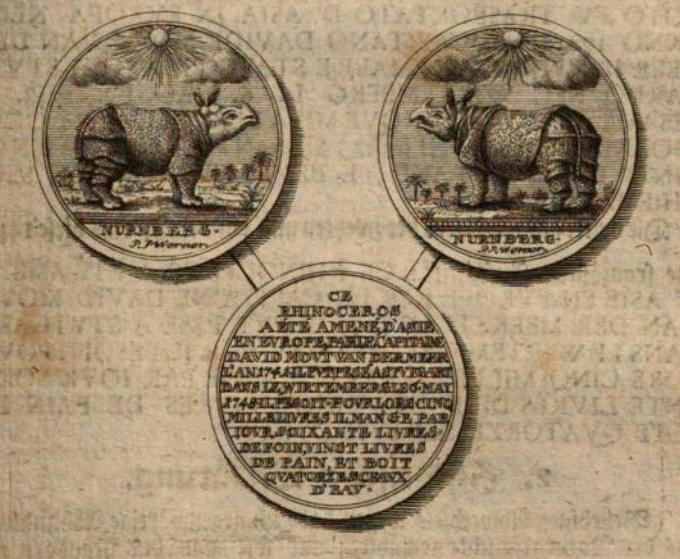
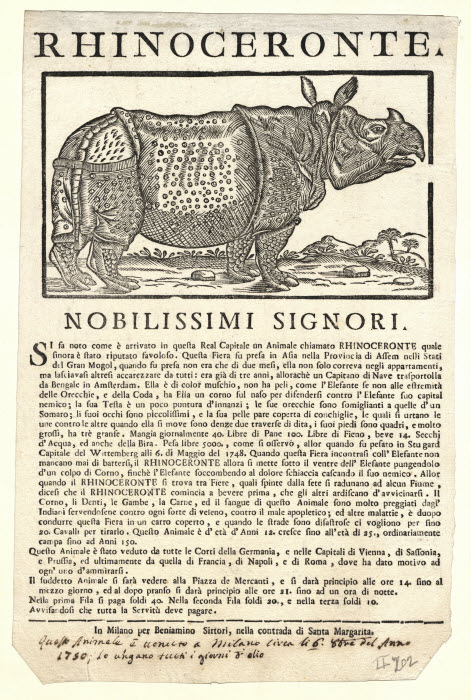
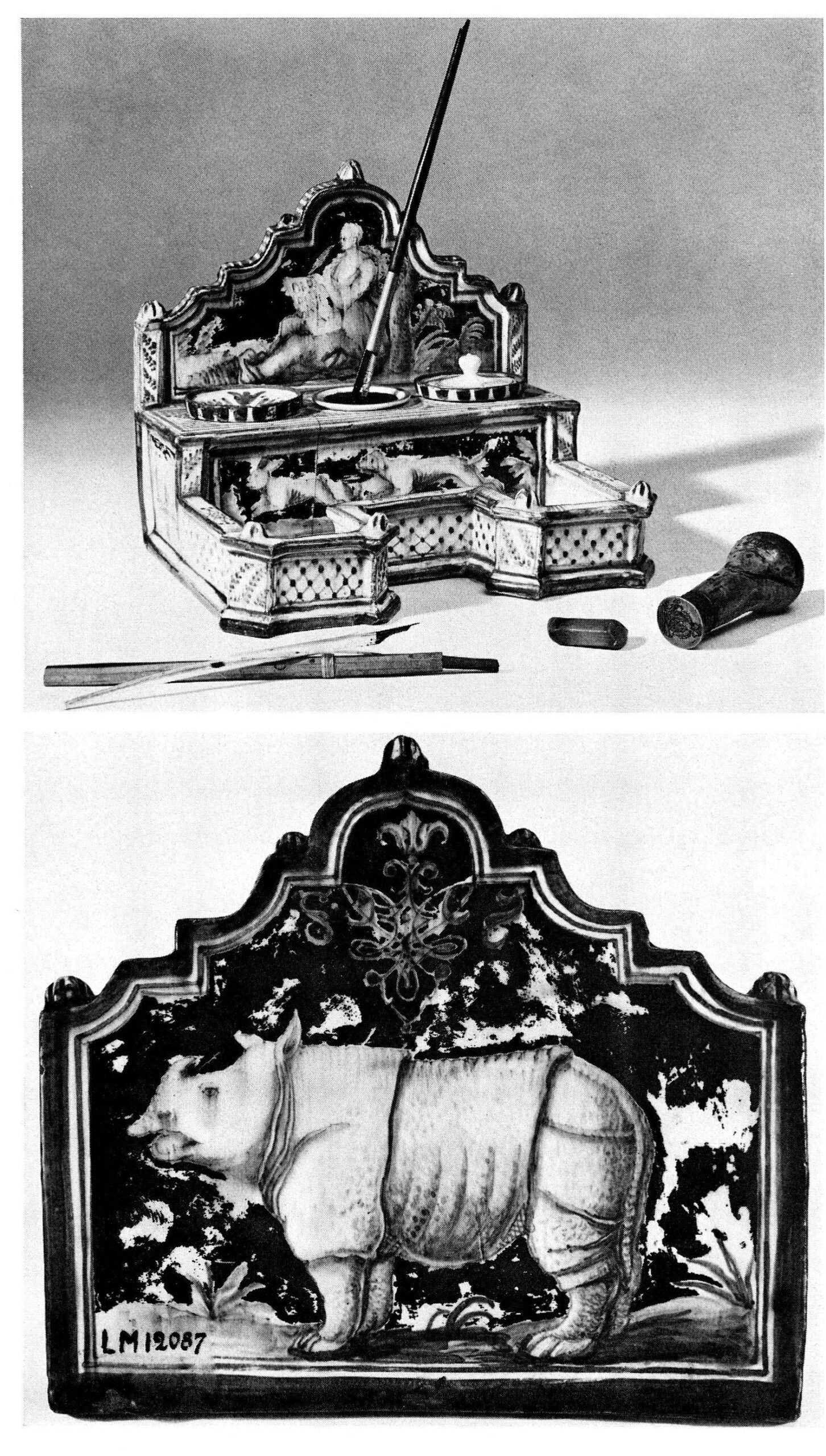
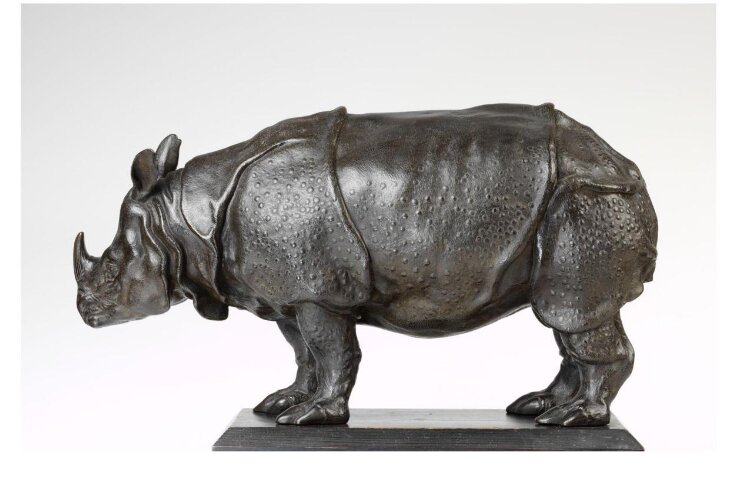
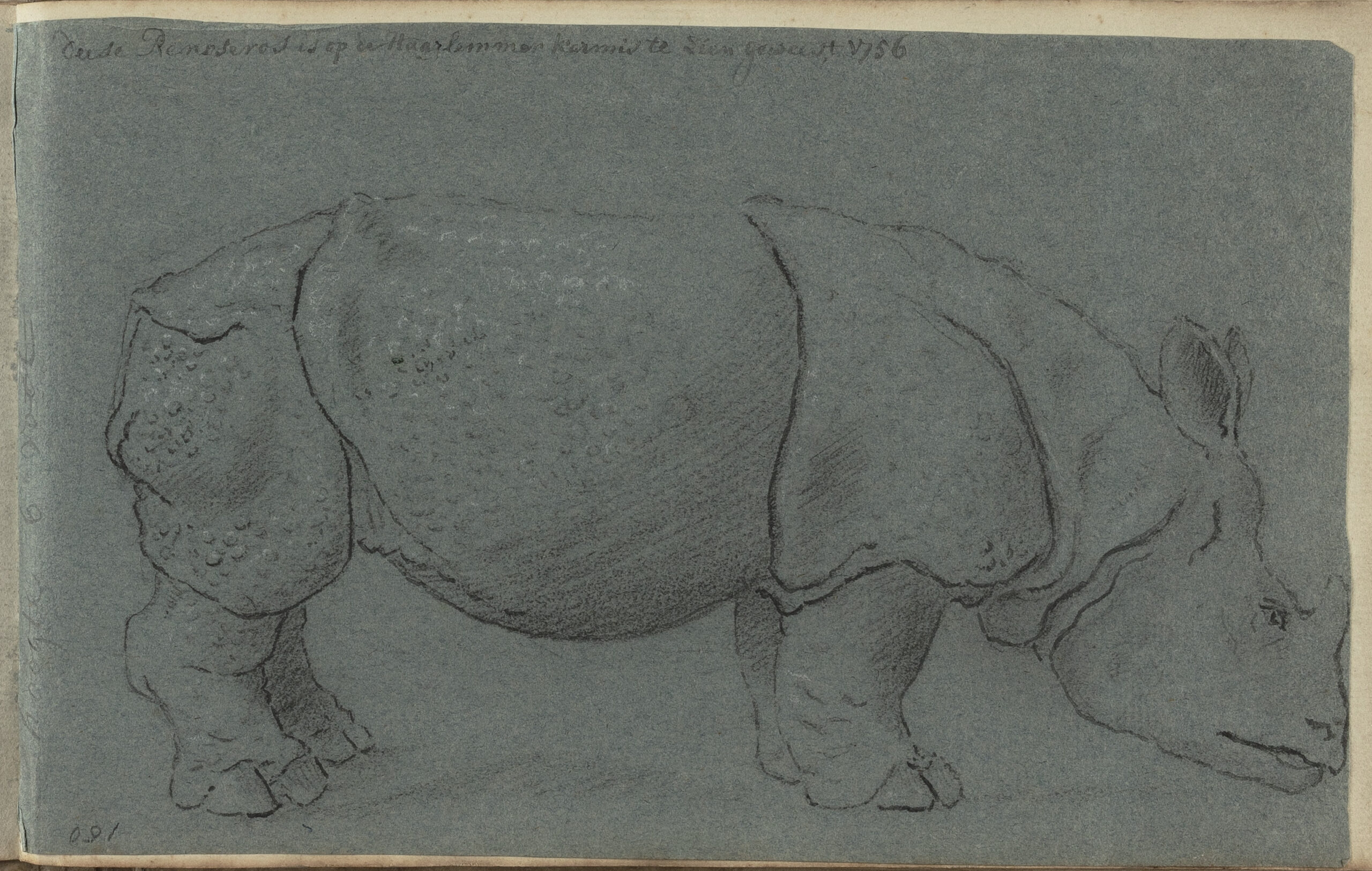
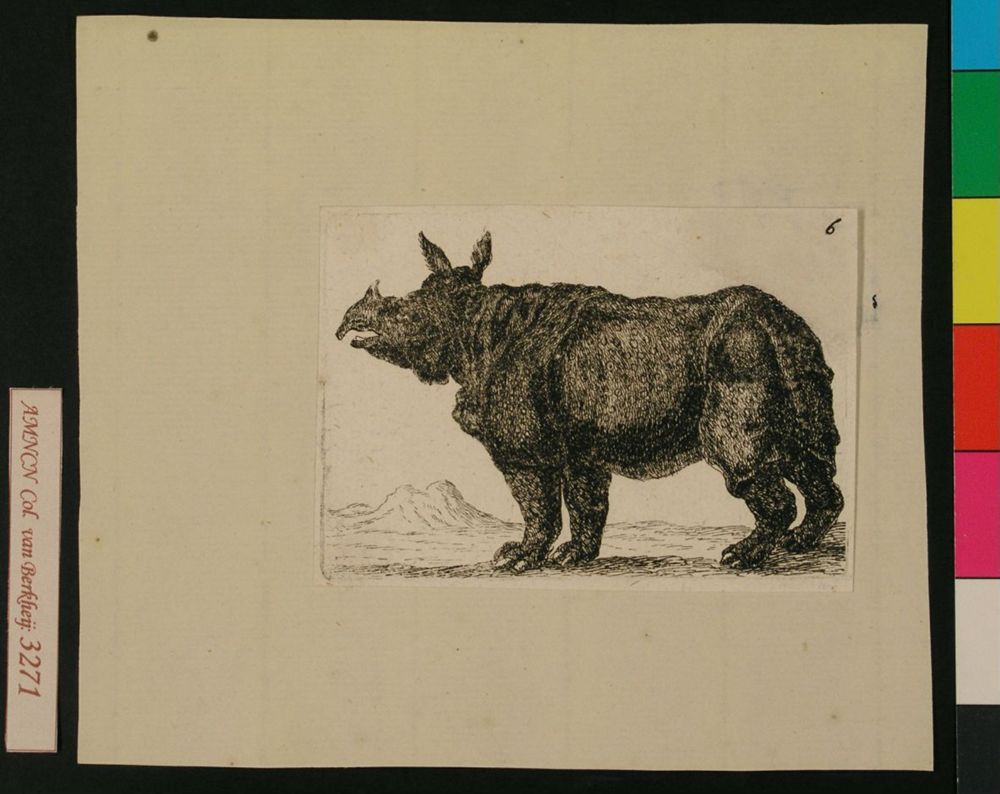
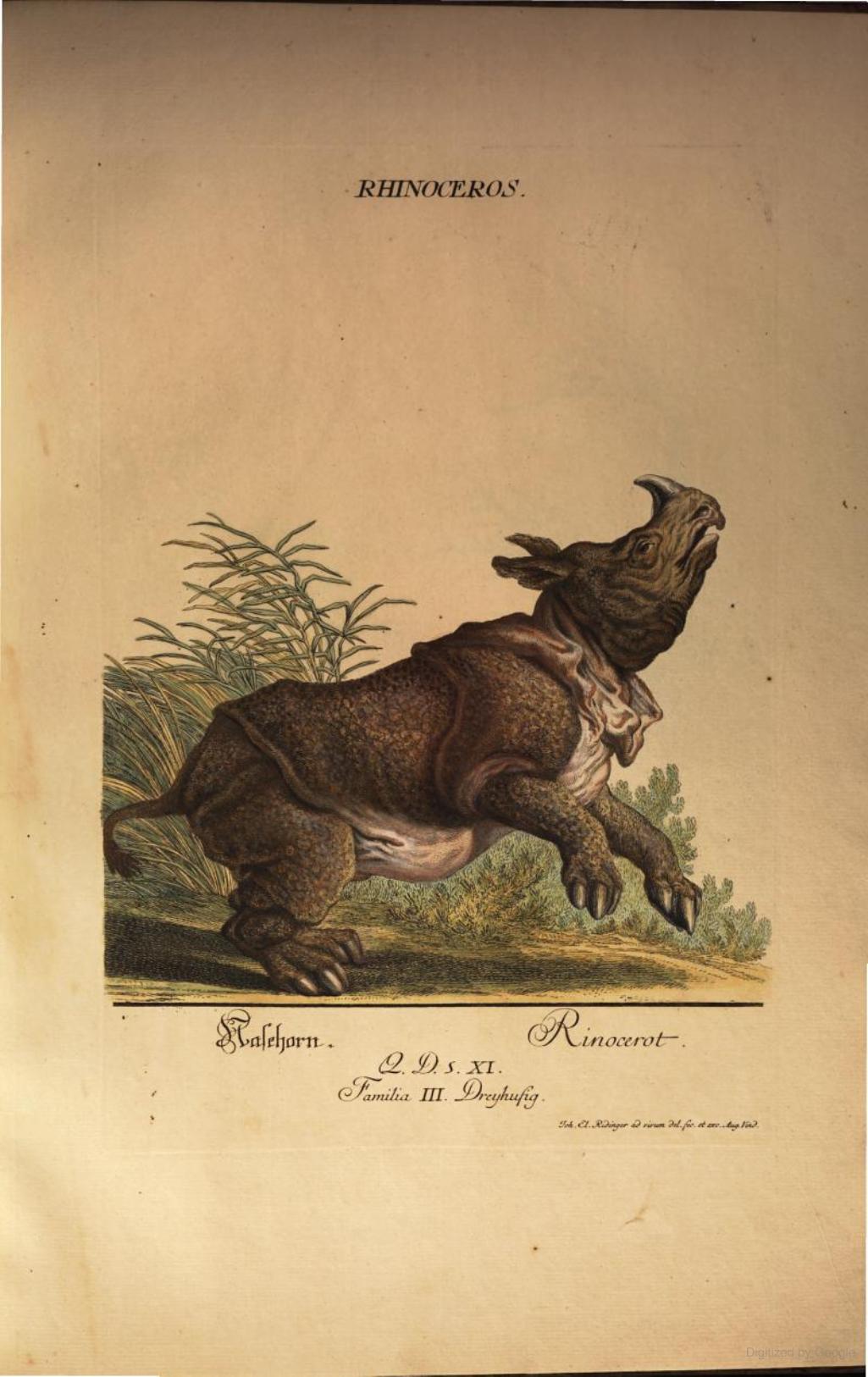
While traveling from Hanover to Berlin, King Frederick II (in Berlin) sent an order to the people of Tangermünde to notify Douwe Mout that exhibition of animals for money was not allowed in Prussia, hence he should return as soon as possible (source 2601). For comparison, a similar story emerged from the stay in Berlin (source 2602).
Tangermünde on the River Elbe is 30 km west of Rathenow, which is 70 km west of Potsdam.
Literature
- Knackmuss 2011
Source 2601. Council of Tangermünde
Knackmuss, Heinz-Walter. 2011. Sankt-Marien-Andreas-Kirche in Rathenow: mit Schmunzelgeschichten. Rathenow.
www.rathenow-kirchen.de
Original text (German)
Das erste Rhinozeros in Preußen brachte 1745 ein holländischer Schiffskapitän in seiner Schaluppe von Hamburg aus die Elbe aufwärts. Friedrich der Große aber befahl dem Rat von Tangermünde, dem Kapitän „zu bedeuten, dass er allsofort mit seinem Rhinozeros retirieren solle, da dergleichen Personen, die den Leuten das Geld aus dem Beutel locken, in den Königlichen Landen nicht geduldet werden sollen.“ Der König scheint sich aber bald anders besonnen zu haben, denn im Frühjahr 1746 wurde den Berlinern die Besichtigung gestattet. Wenn wir auch keine sicheren Nachrichten haben, so ist doch die Annahme berechtigt, dass die holländische Schaluppe mit ihrem dickhäutigen Inhalt auf dem Wege von Hamburg nach Berlin auch über Rathenow gefahren ist, und dass dabei gleichzeitig der Anblick des Tieres die Reihe der Rathenower Kraftausdrücke wohl um einen neuen bereichert hat.
English translation
The first rhinoceros in Prussia was brought up the Elbe in 1745 by a Dutch ship’s captain in his sloop from Hamburg. However, Frederick the Great ordered the council of Tangermünde to warn the captain “that he should immediately withdraw with his rhinoceros, since such persons who lure money out of people’s pockets are not to be tolerated in the Royal Lands.” The king, however, seems to have soon changed his mind, for in the spring of 1746, the Berliners were allowed to inspect it. Although we have no reliable information, it is reasonable to assume that the Dutch sloop, with its thick-skinned contents, also passed through Rathenow on its way from Hamburg to Berlin, and that the sight of the animal probably added a new one to the list of Rathenow expletives.
Source 2602. Potsdam / Berlin 1746: D.T. 1758
Refer Berlin source 2656
D.T. 1758. Les moeurs de la cour du Roi de Prusse. Annales Prussiennes, La Haye 1758: 1–28.
Original text (French)
[p. 19] Le Maître & Conducteur du fameux Rinoceros passant par la ville de Postdam, le Roi l’ayant vû, lui fit la proposition de lui acheter au poid de l’or ce monstrueux animal. Sur son réfus intéressé, le Roi s’aigrit & lui signifia de sortir dans les vingt-quatre heures de ses États. Ce malheureux Mercenaire fit construire une machine pour suspendre son Rinoceros & lui faire supporter plus aisément un voyage si précipité. Cent cinquante chevaux eurent bien de la peine à le tirer & son animal au delà des limites, où l’on prétend qu’il fut poursuivi.
English translation
The Master and Driver of the famous Rinoceros passing through the city of Potsdam, the King having seen him, made him the proposition to buy this monstrous animal from him for his weight in gold. On his interested refusal, the King became embittered and told him to leave his States within twenty-four hours. This unfortunate Mercenary had a machine built to suspend his Rinoceros and make it more easily endure such a hurried journey. One hundred and fifty horses had great difficulty in pulling him and his animal beyond the limits, where it is said that he was pursued.