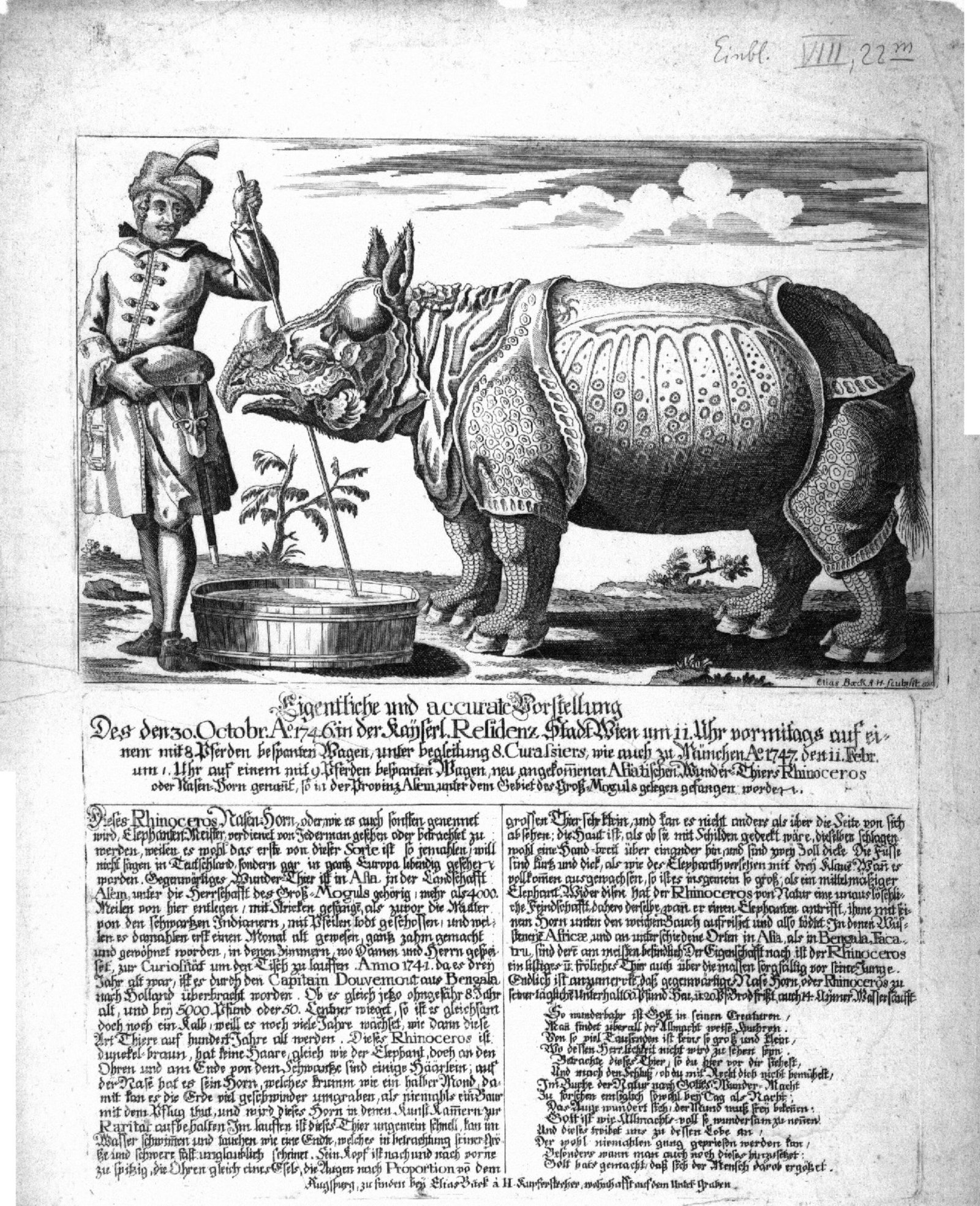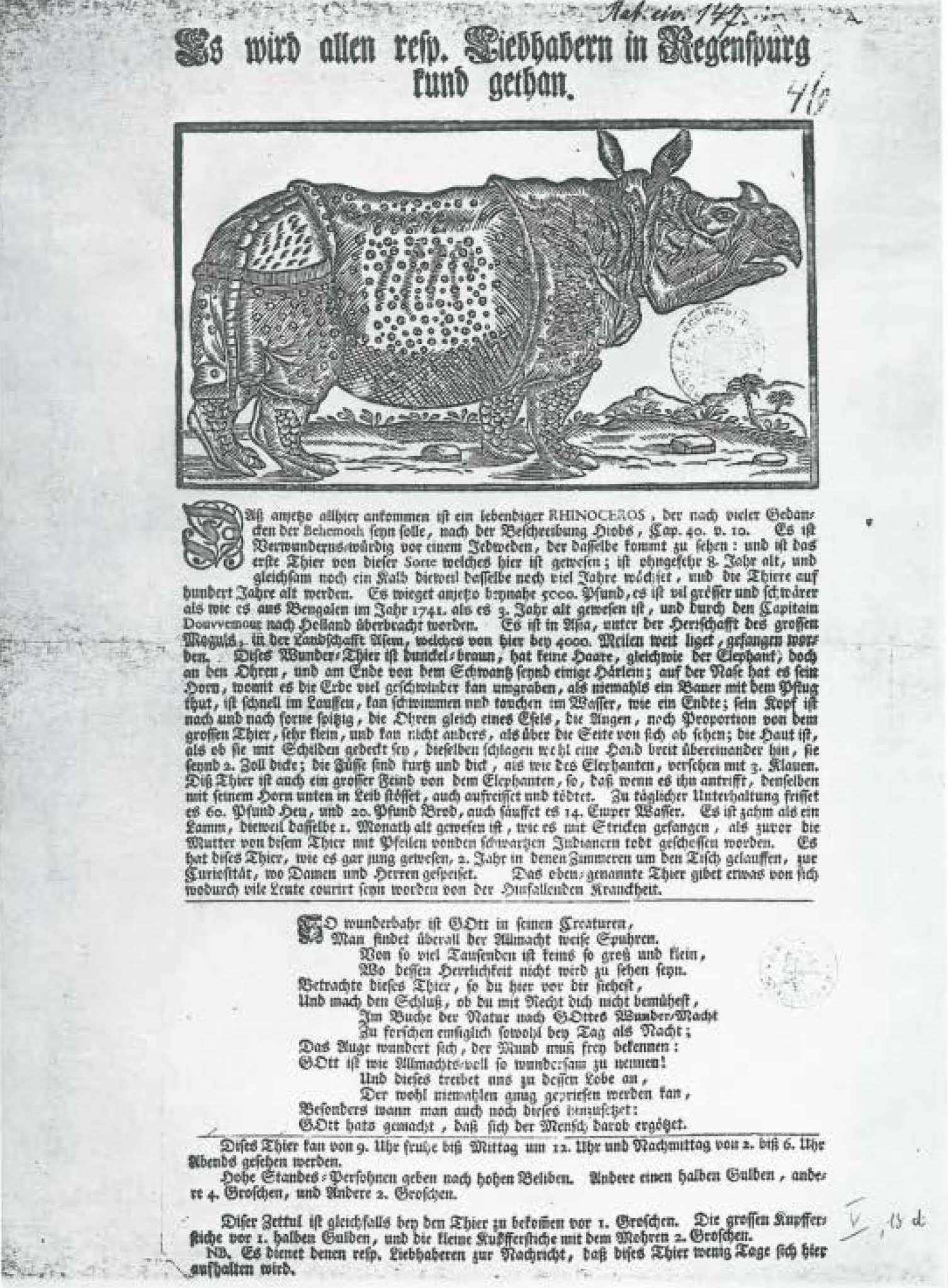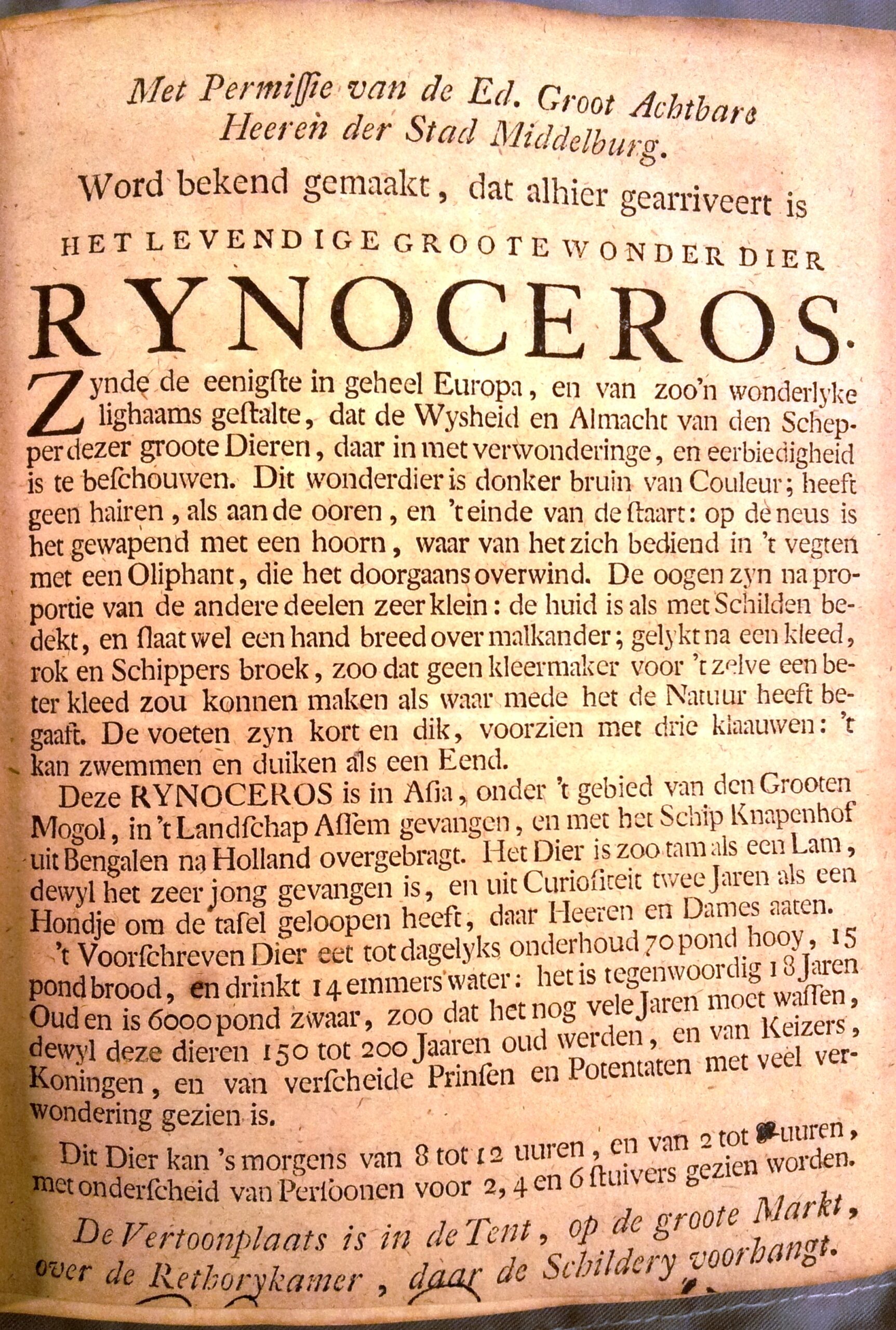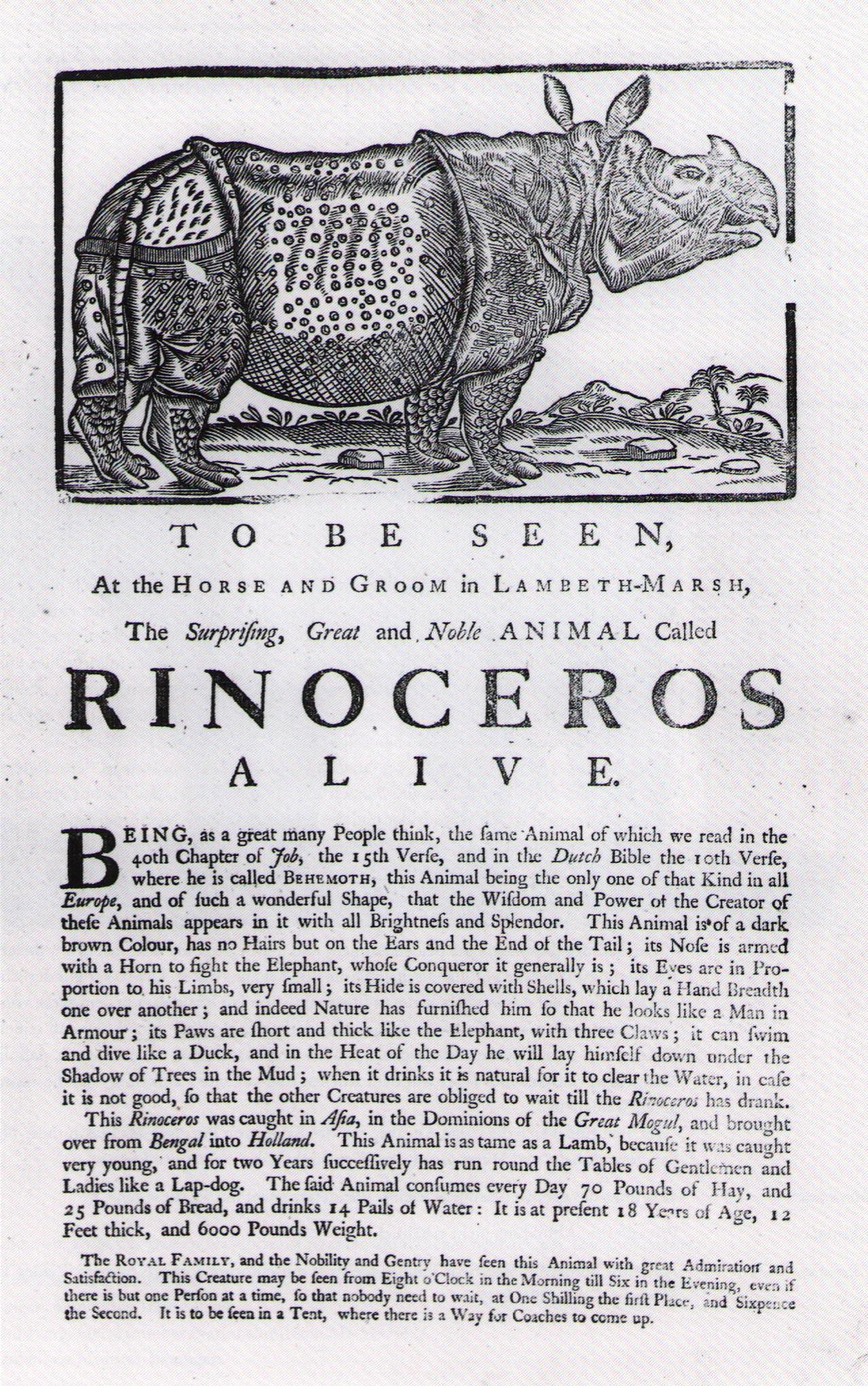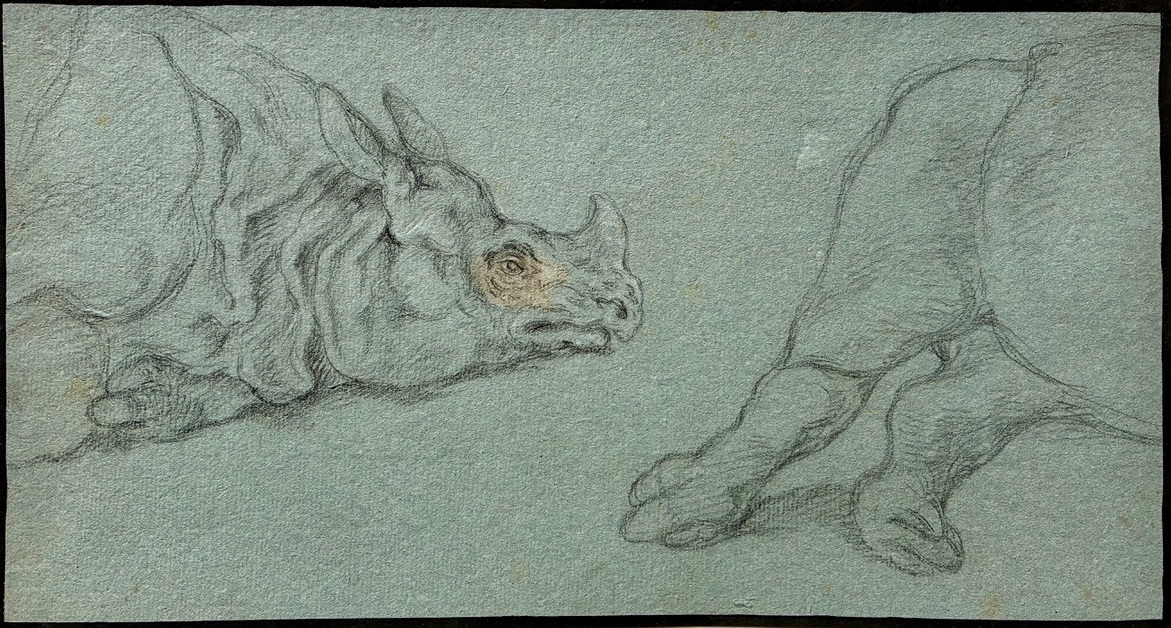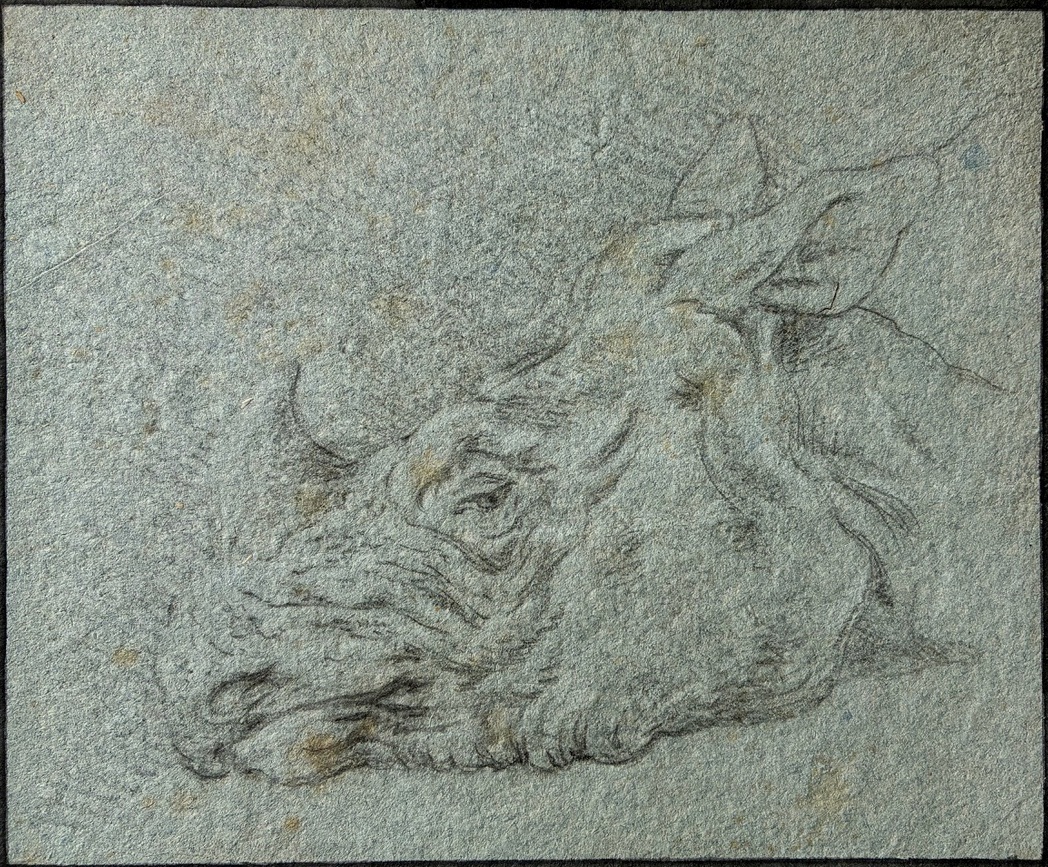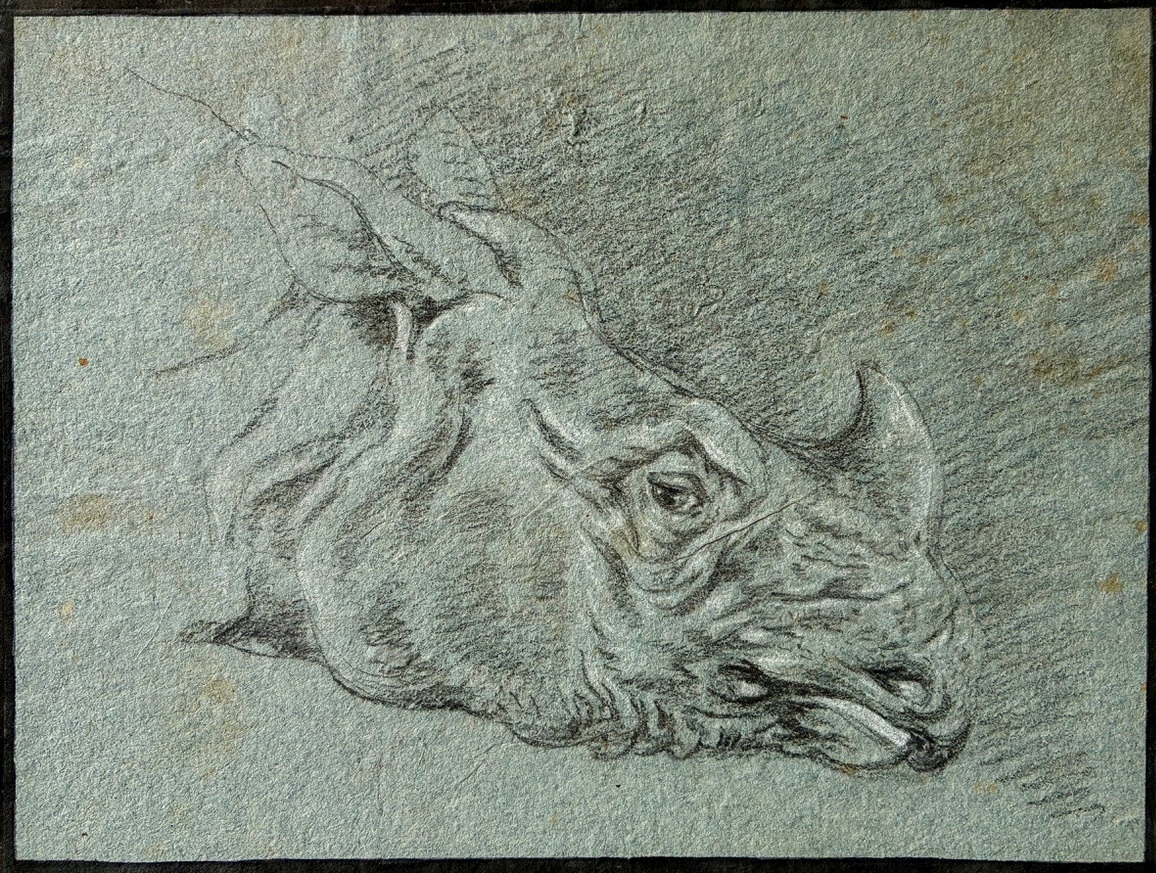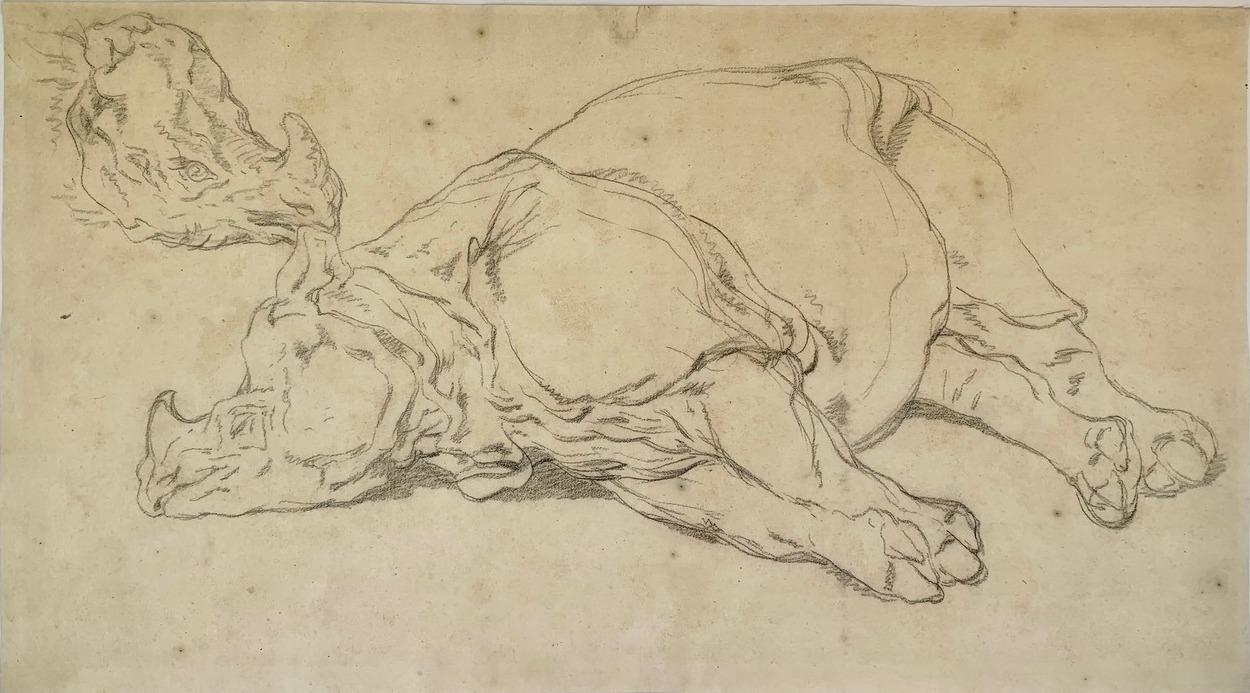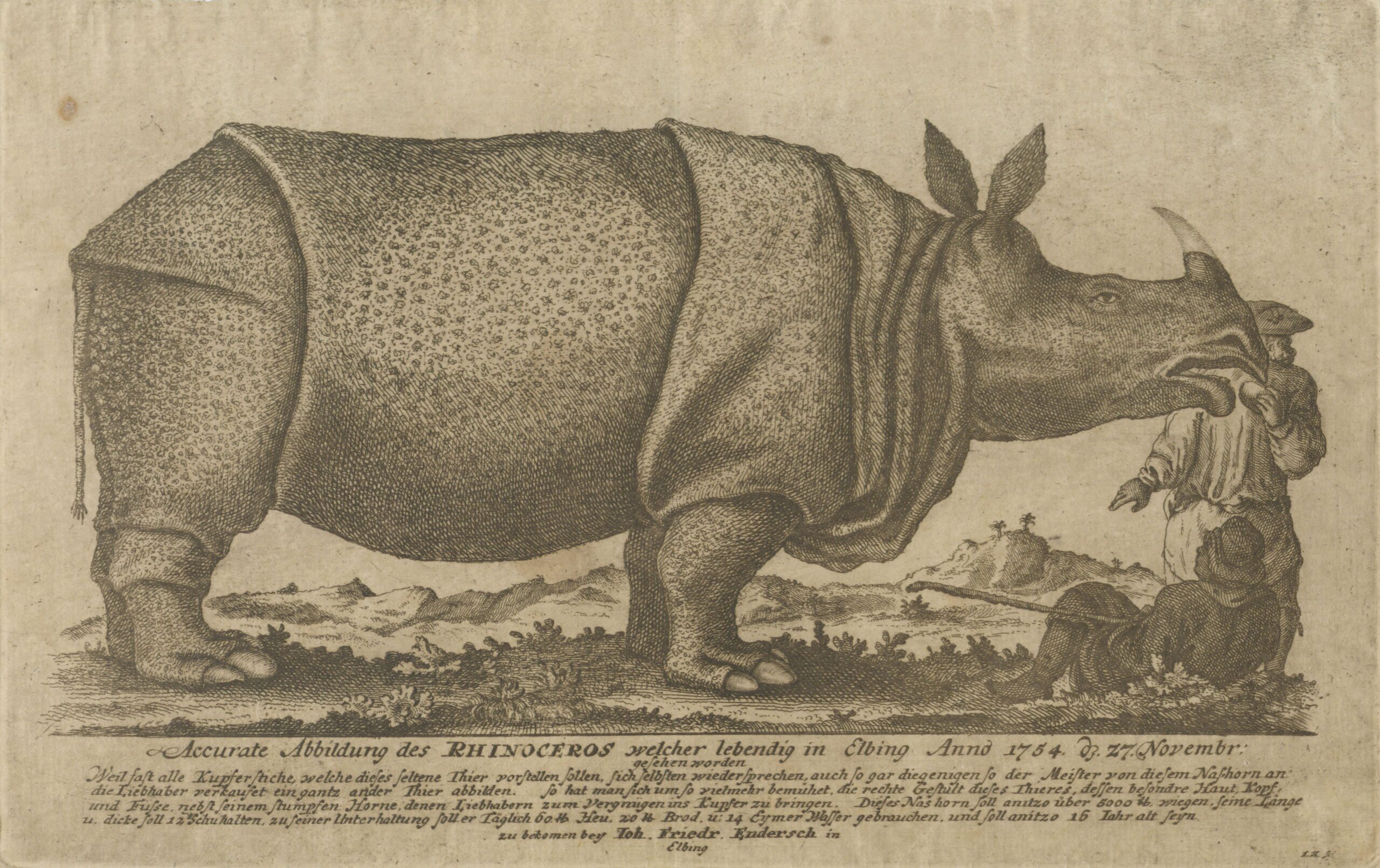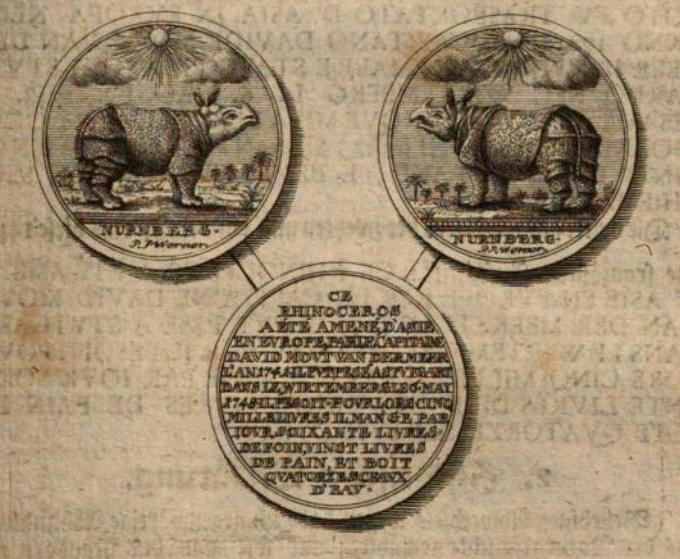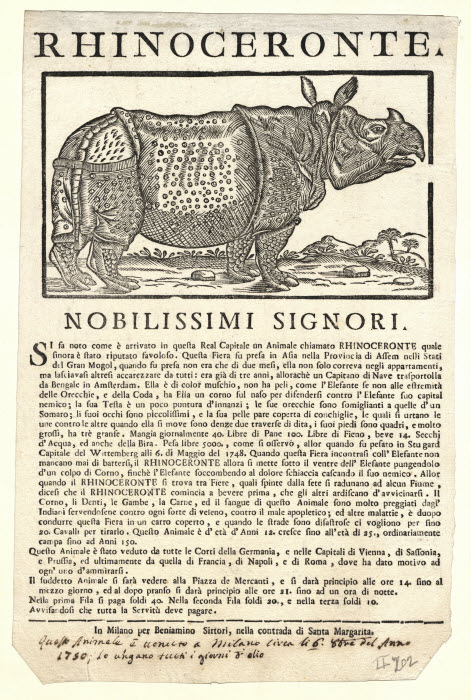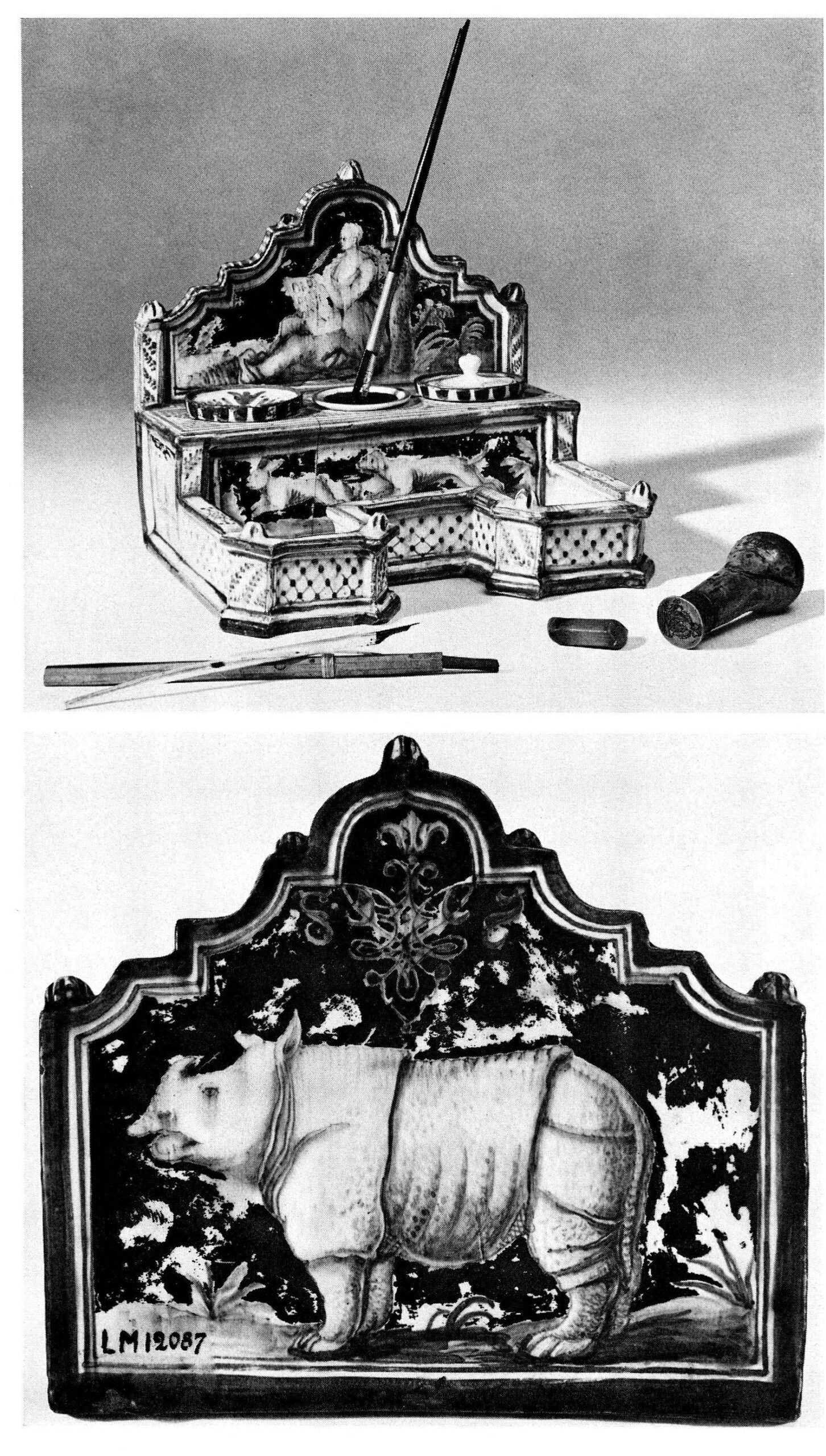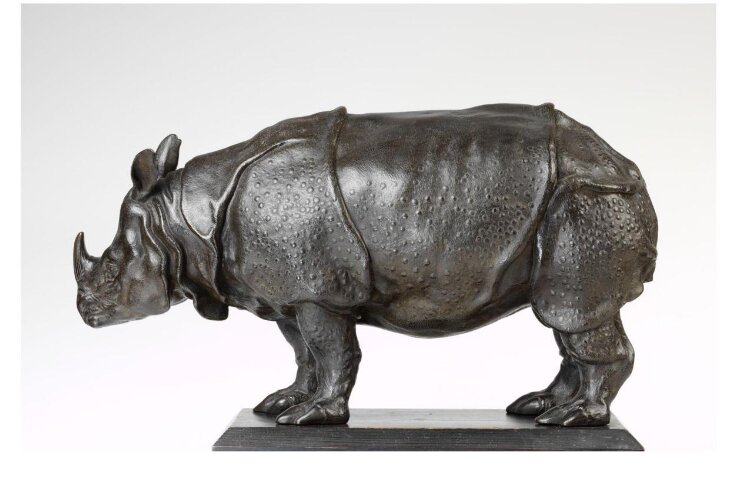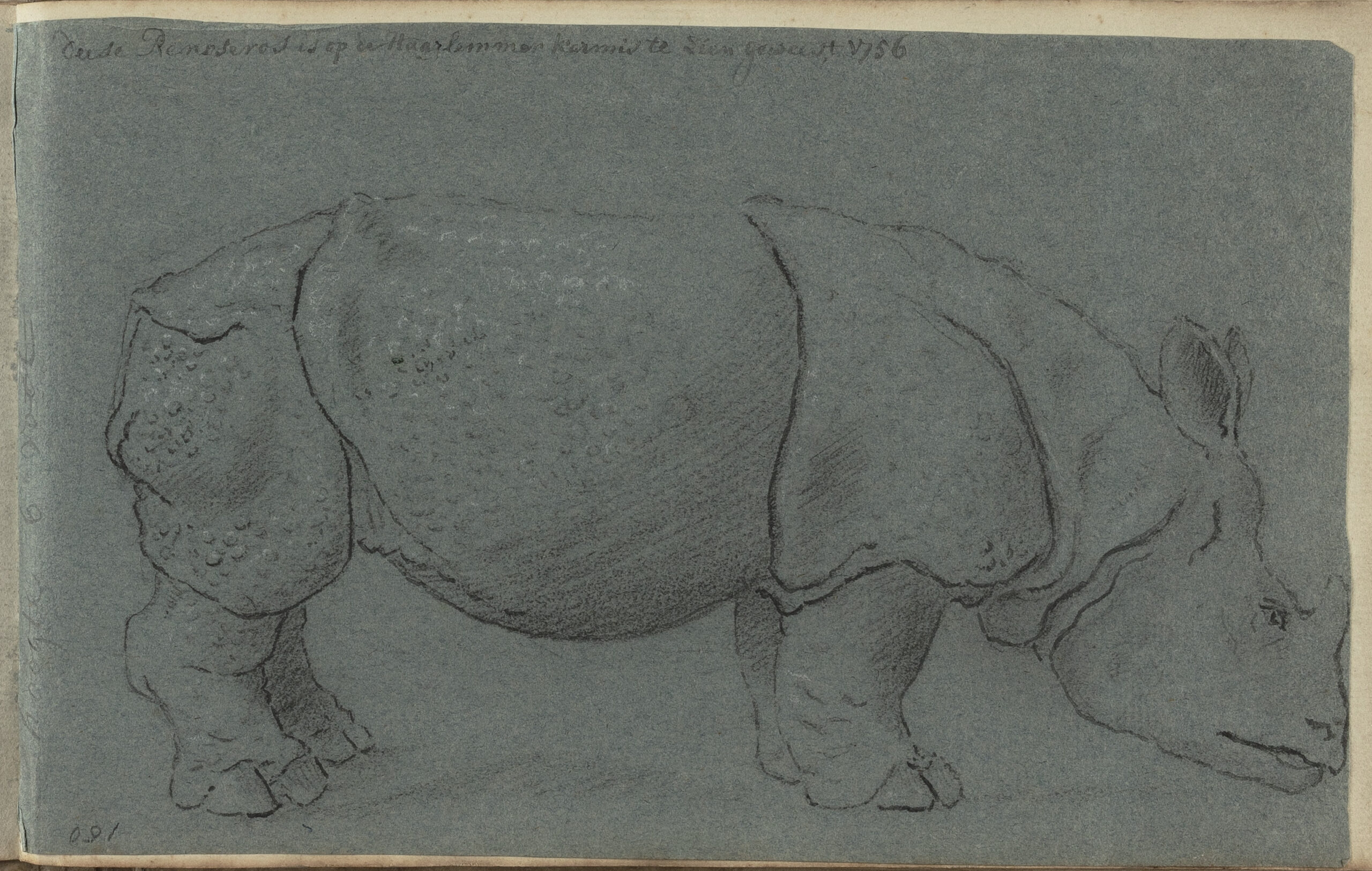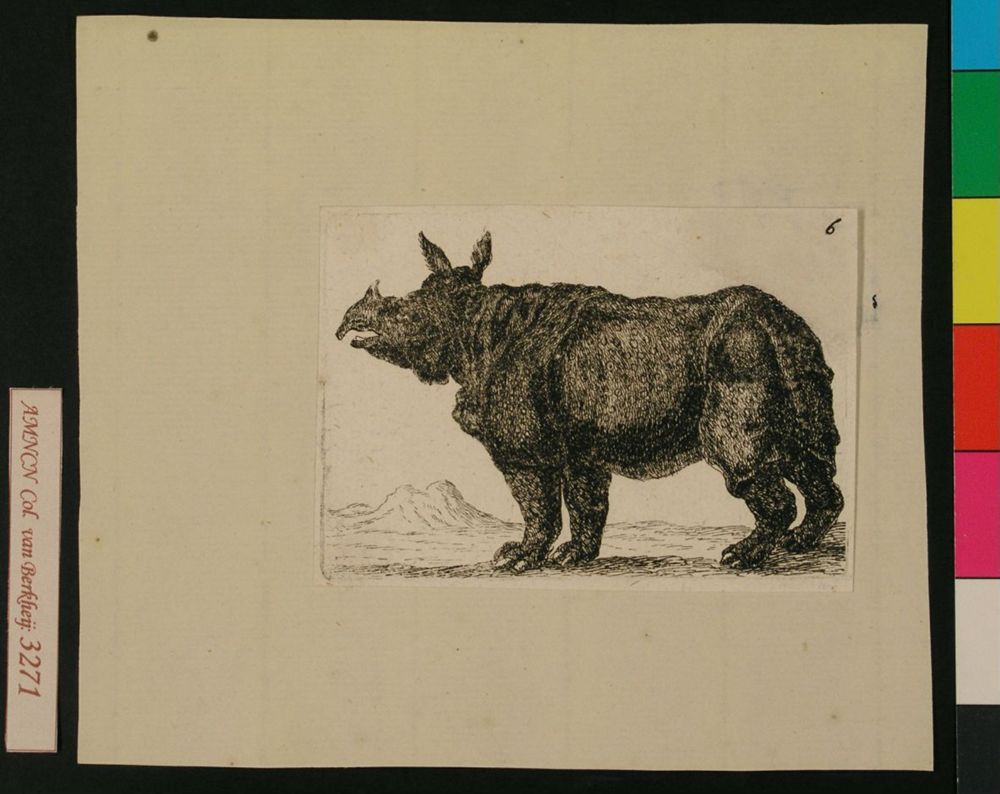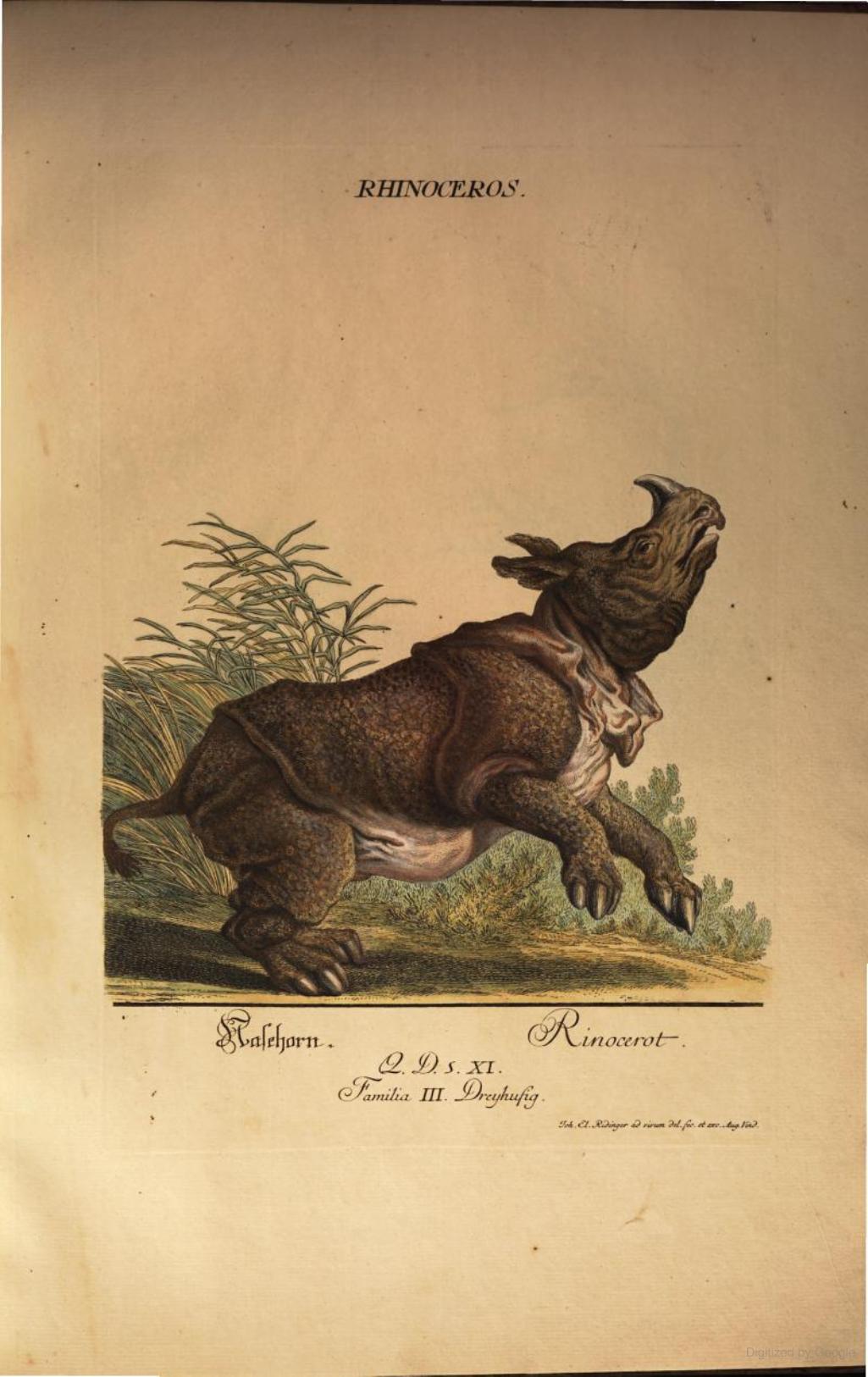


Johan Frederik Gronovius wrote in a letter dated 12 December 1743 that he had seen and examined a rhinoceros in Leiden (source 2081). It is unlikely that this refers to the exhibition in 1742 or earlier, otherwise why wait so long to insert this notice?
Lugduni Batavorum is Leiden, The Netherlands
Source 2081. Gronovius letter to Linnaeus 12–12–1743
Johan Frederik Gronovius (1686–1762)
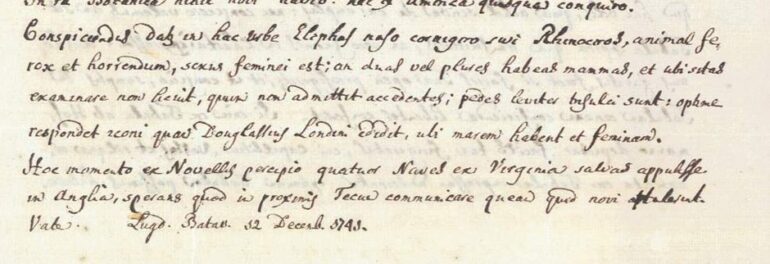
Letter 12 December 1743, Leiden to Carl Linnaeus, Uppsala. L0518.
Original location: a. original holograph (Linnean Society, London, V, 471–472, 473–475).
Original text (Latin)
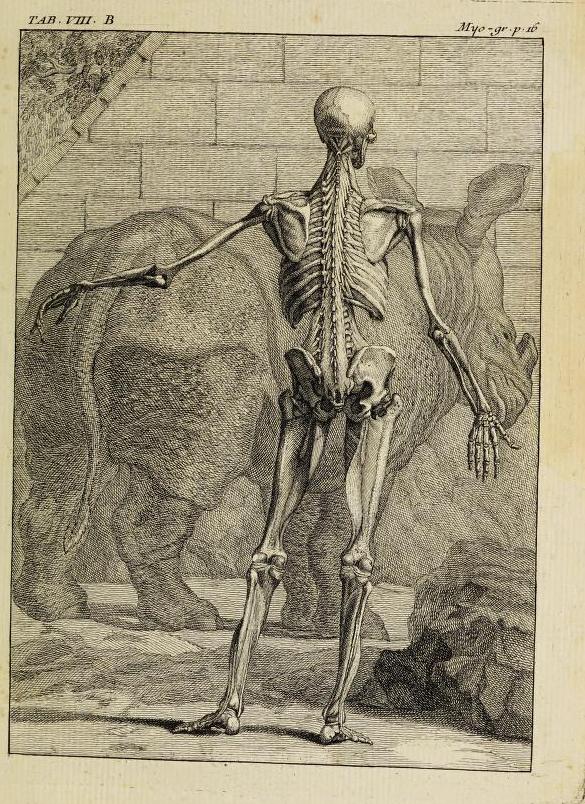
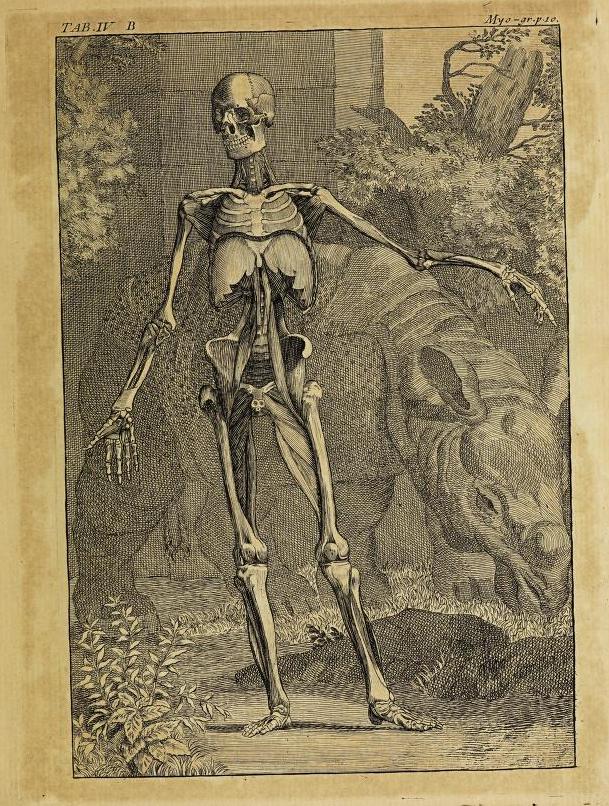
Conspiciendus datur in hac urbe Elephas naso cornigero sive Rhinoceros, animal ferox et horrendum; sexus feminei est; an duas vel plures habeas mammas et ubi sitas examinare non licuit, quum non admittit accedentes; pedes leviter bisulci sunt. Optime respondit iconi quam Douglassius Londini edidit, ubi marem habent et feminam.
Vale Lugd[uni] Batav[orum] 12 Decemb[ris] 1743.
English translation
In this city there is to be seen an Elephant with a horned nose or Rhinoceros, a fierce and horrible animal; it is of the female sex; it was not permitted to examine whether it has two or more mammaries and where they are located, since it does not admit those who approach; its feet are slightly grooved. It corresponds very well to the icon which Douglassius [James Douglas] published in London, where they have a male and a female. Leiden, 12 December 1743.
Note that “Douglas” probably refers to the paper by his assistant James Parsons in the Philosophical Transactions of the Royal Society 1743.
Refer:
Witteveen, J.; Mueller-Wille, S. 2020. Of elephants and errors: naming and identity in Linnaean taxonomy. History and Philosophy of the Life Sciences 42 (43): 1–34.