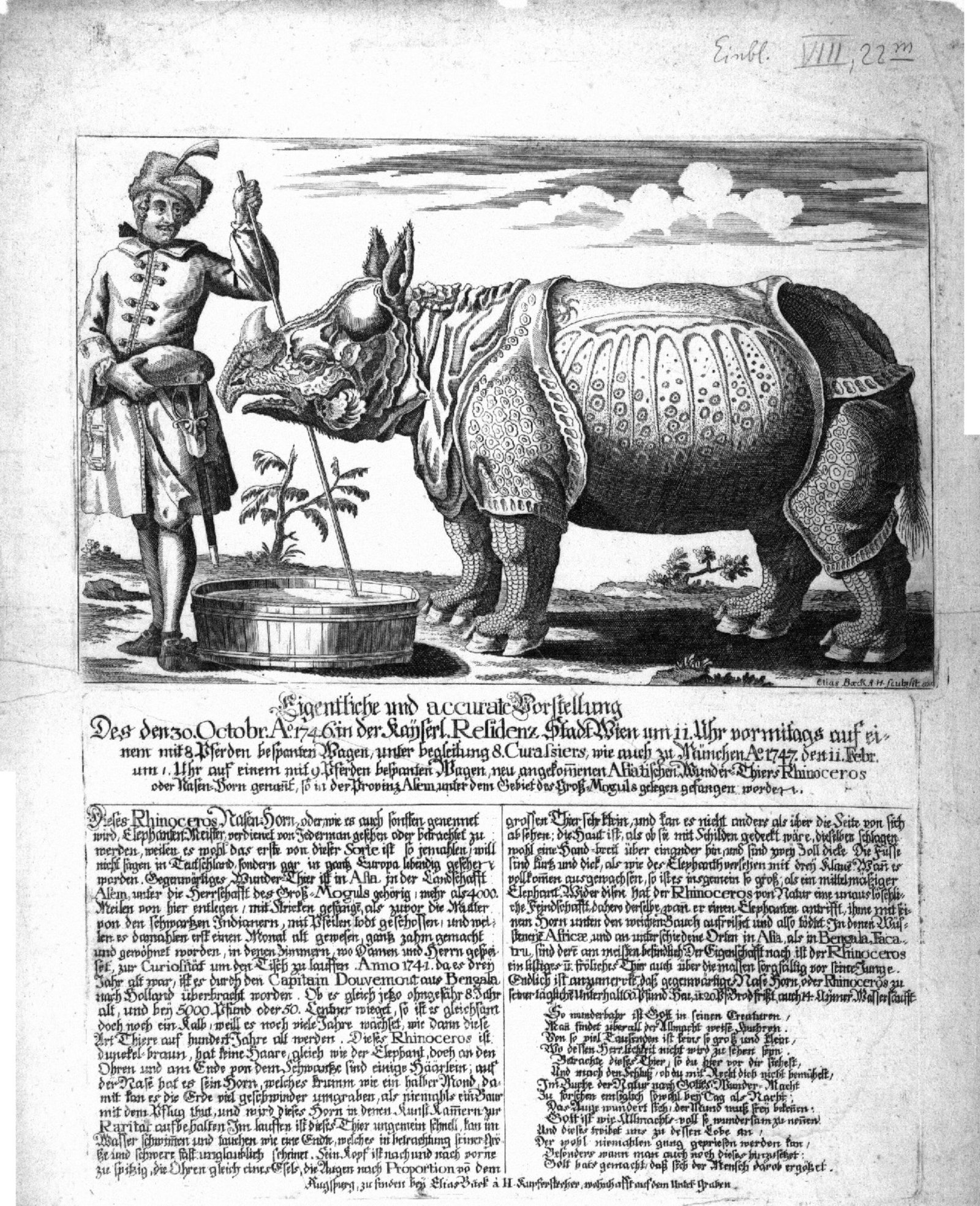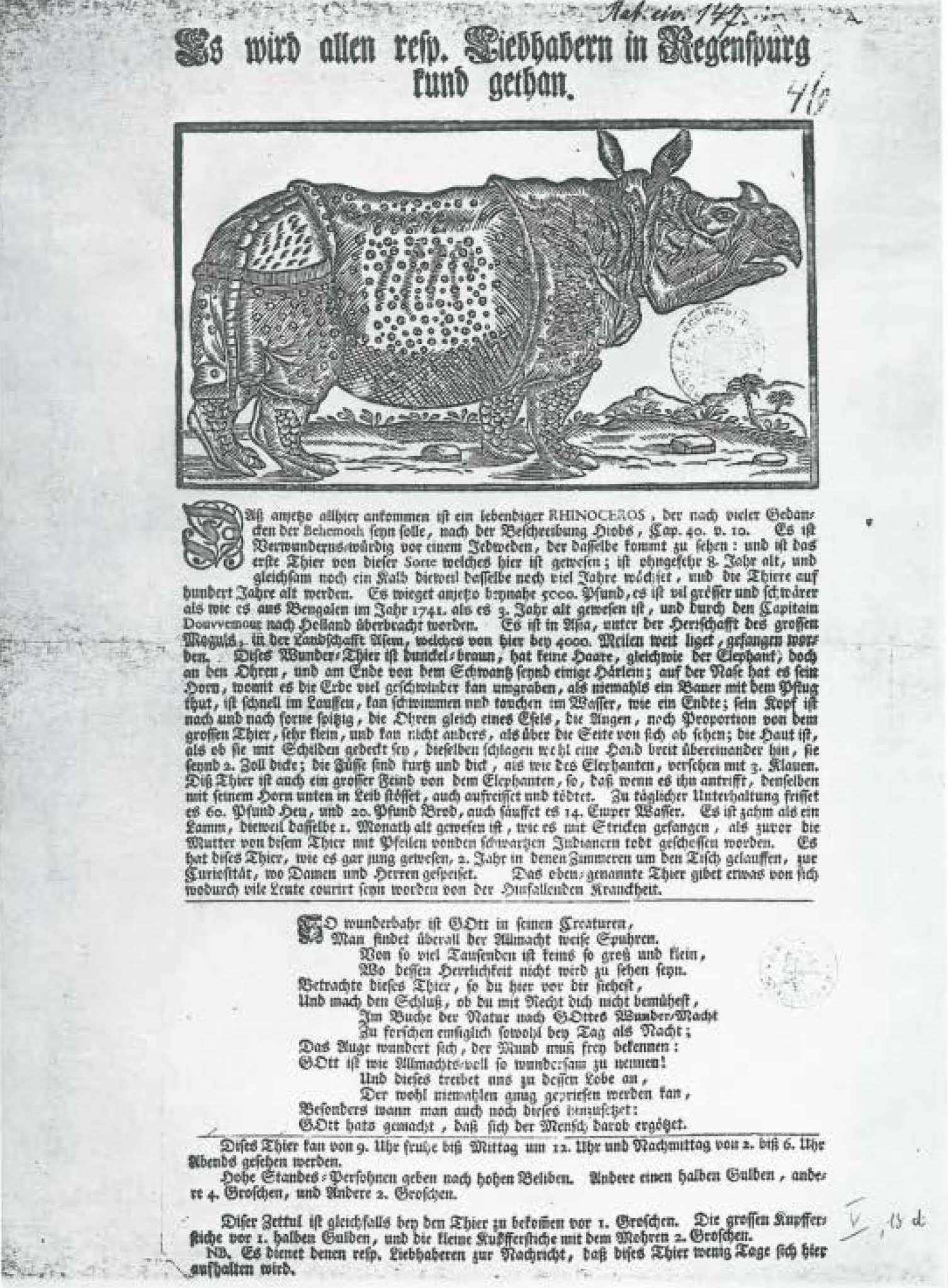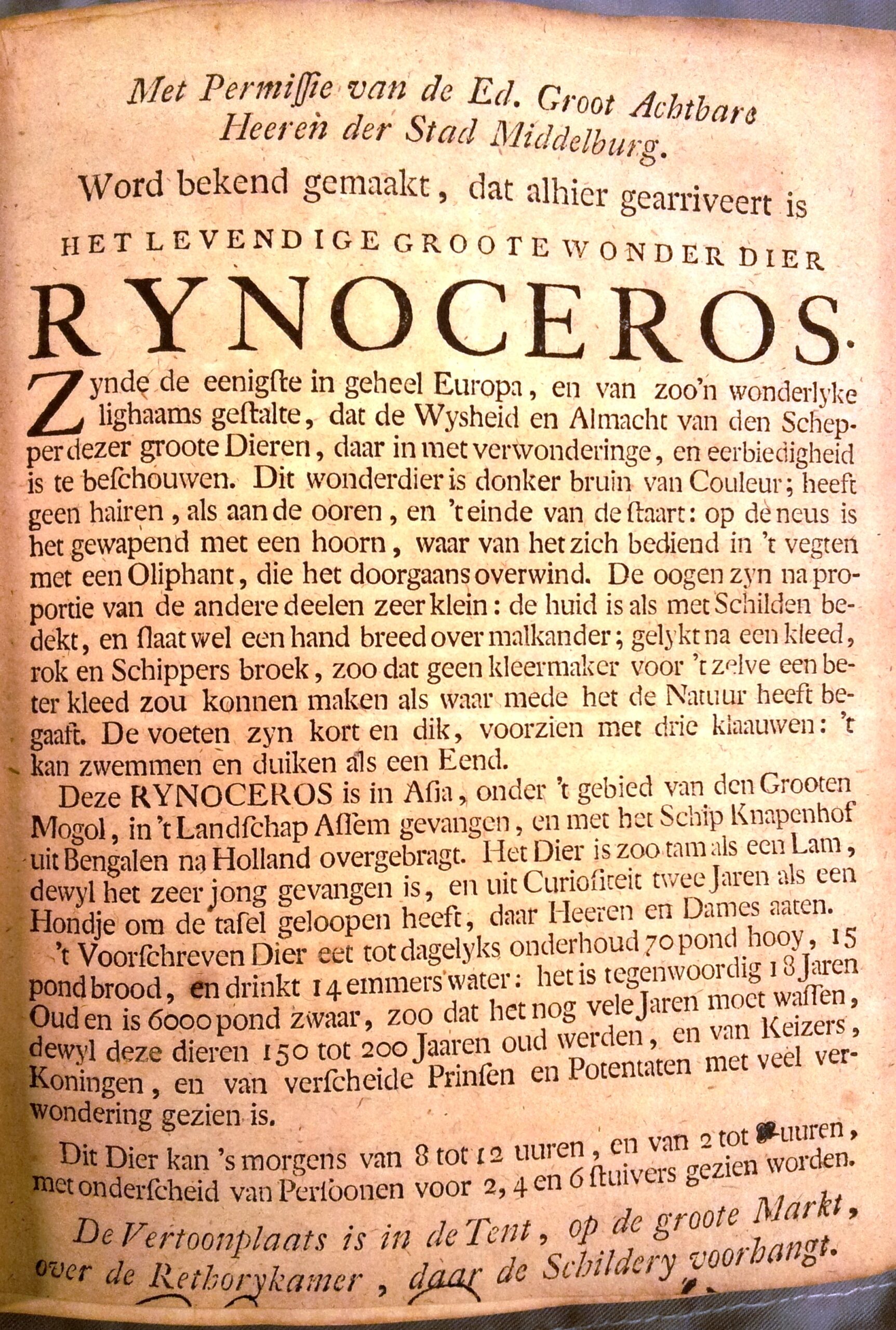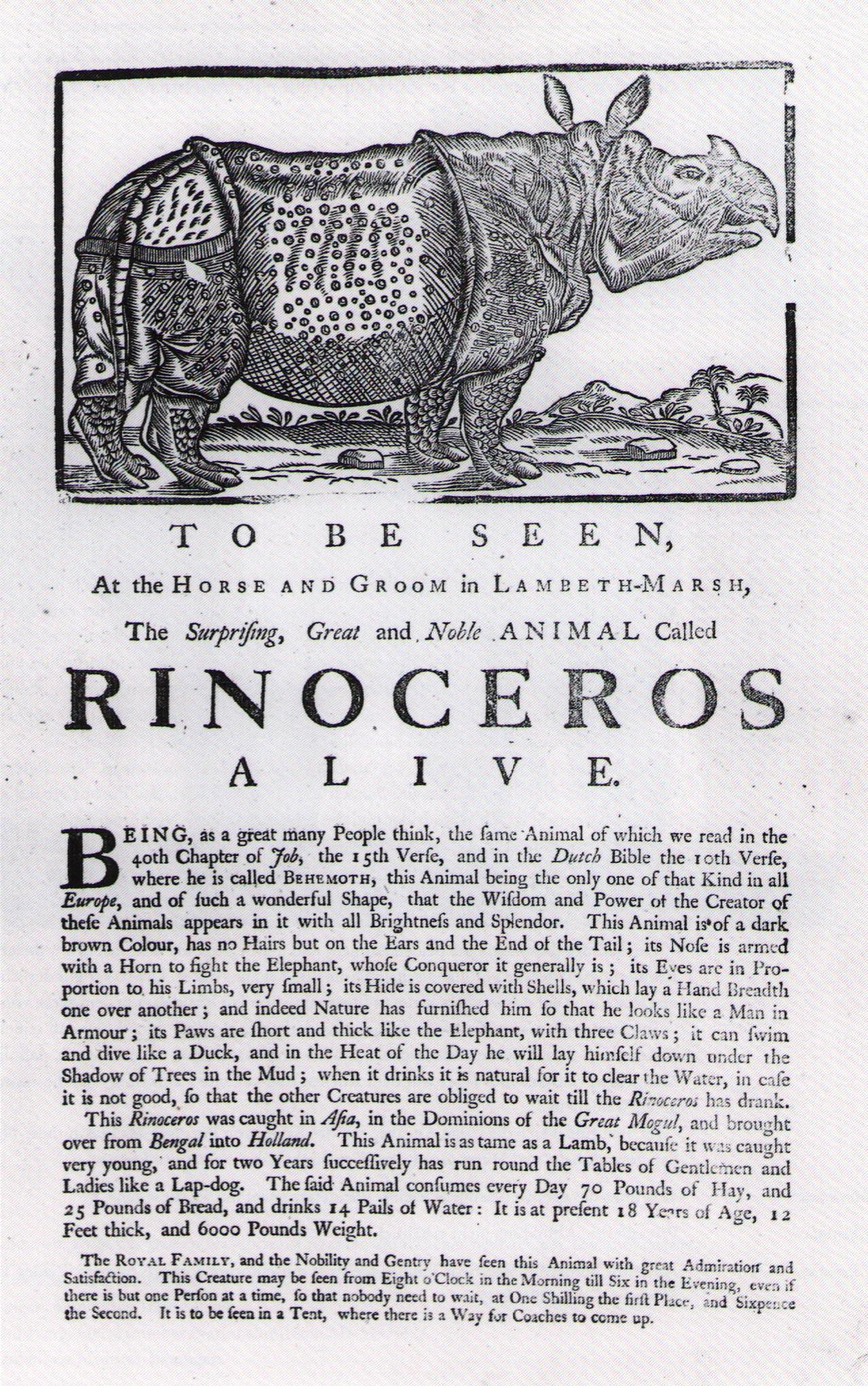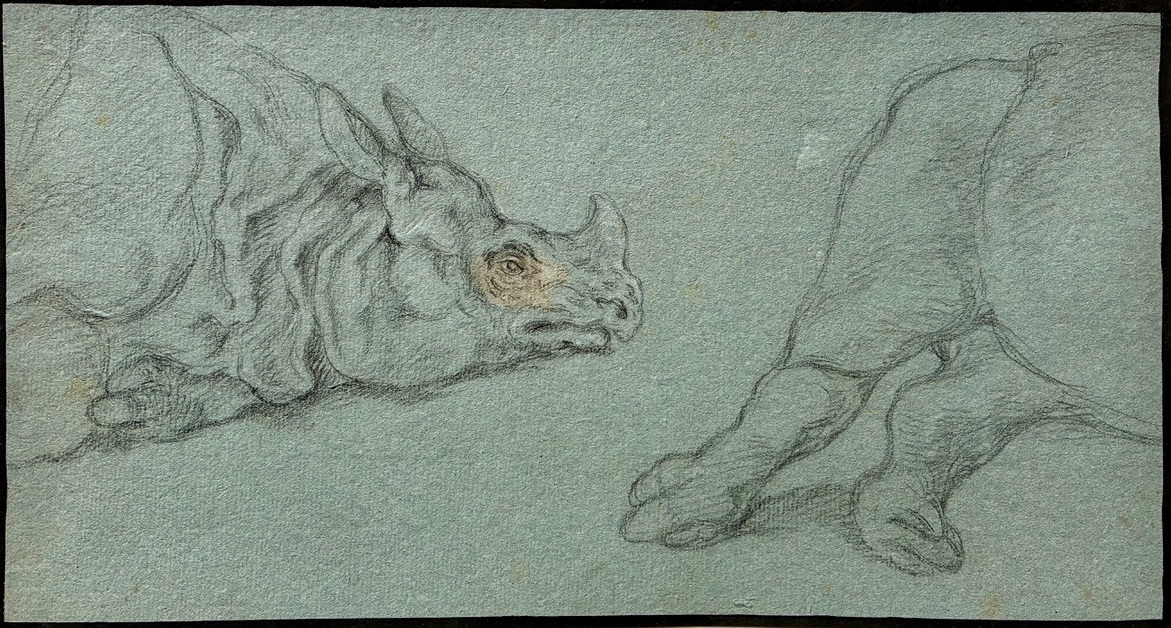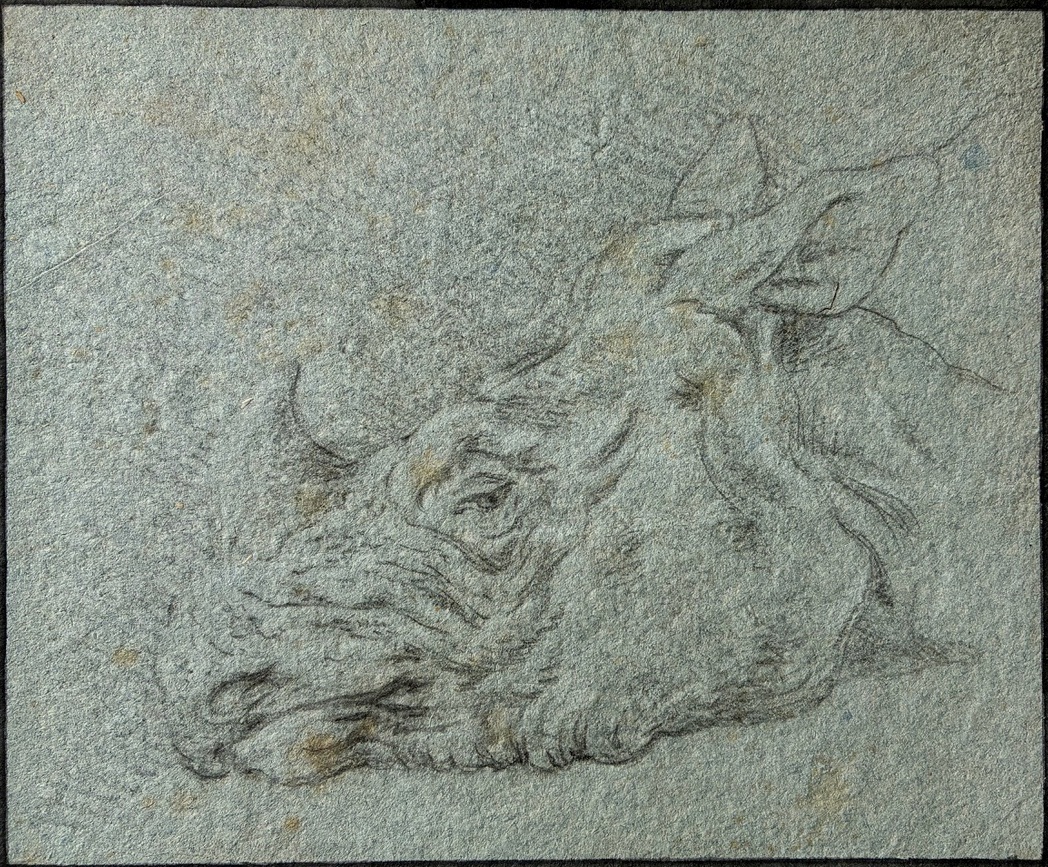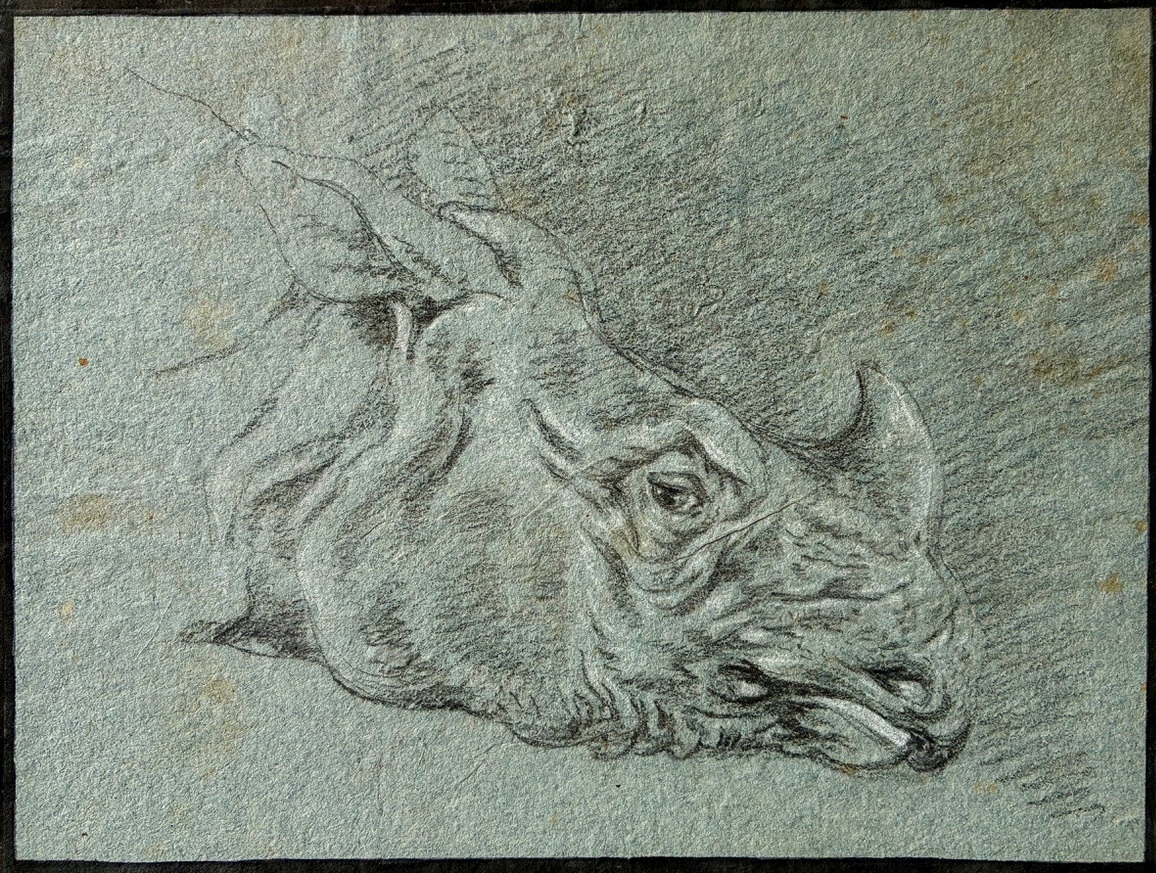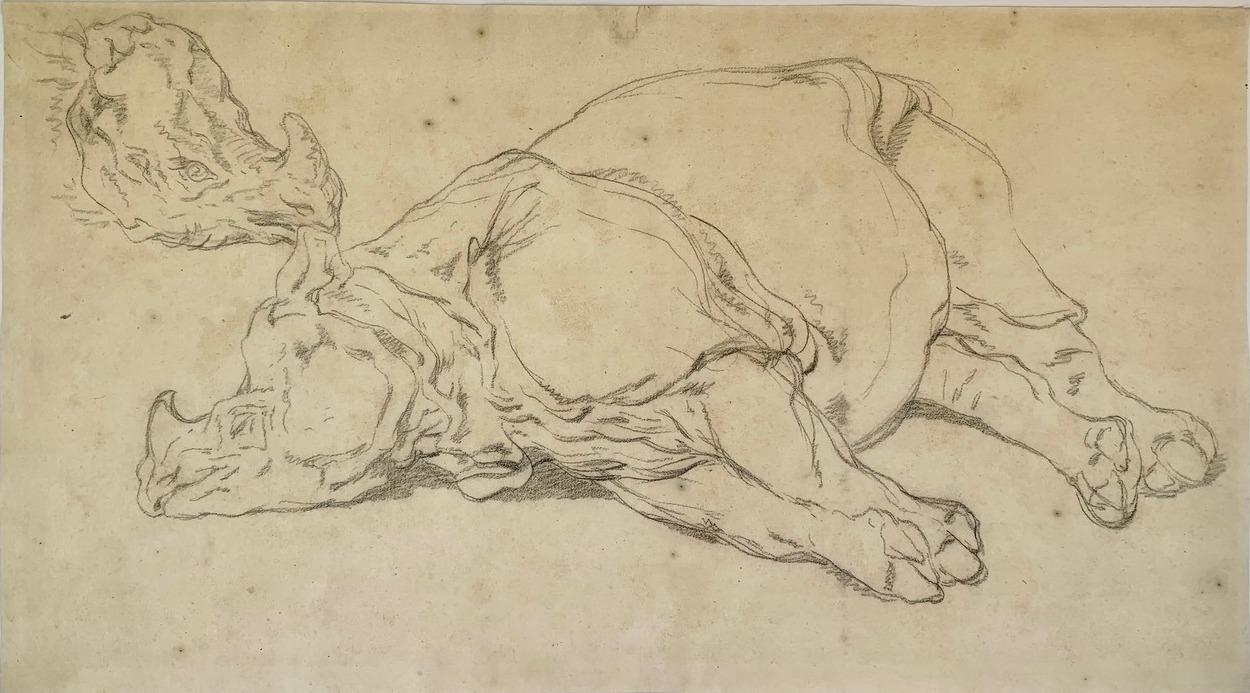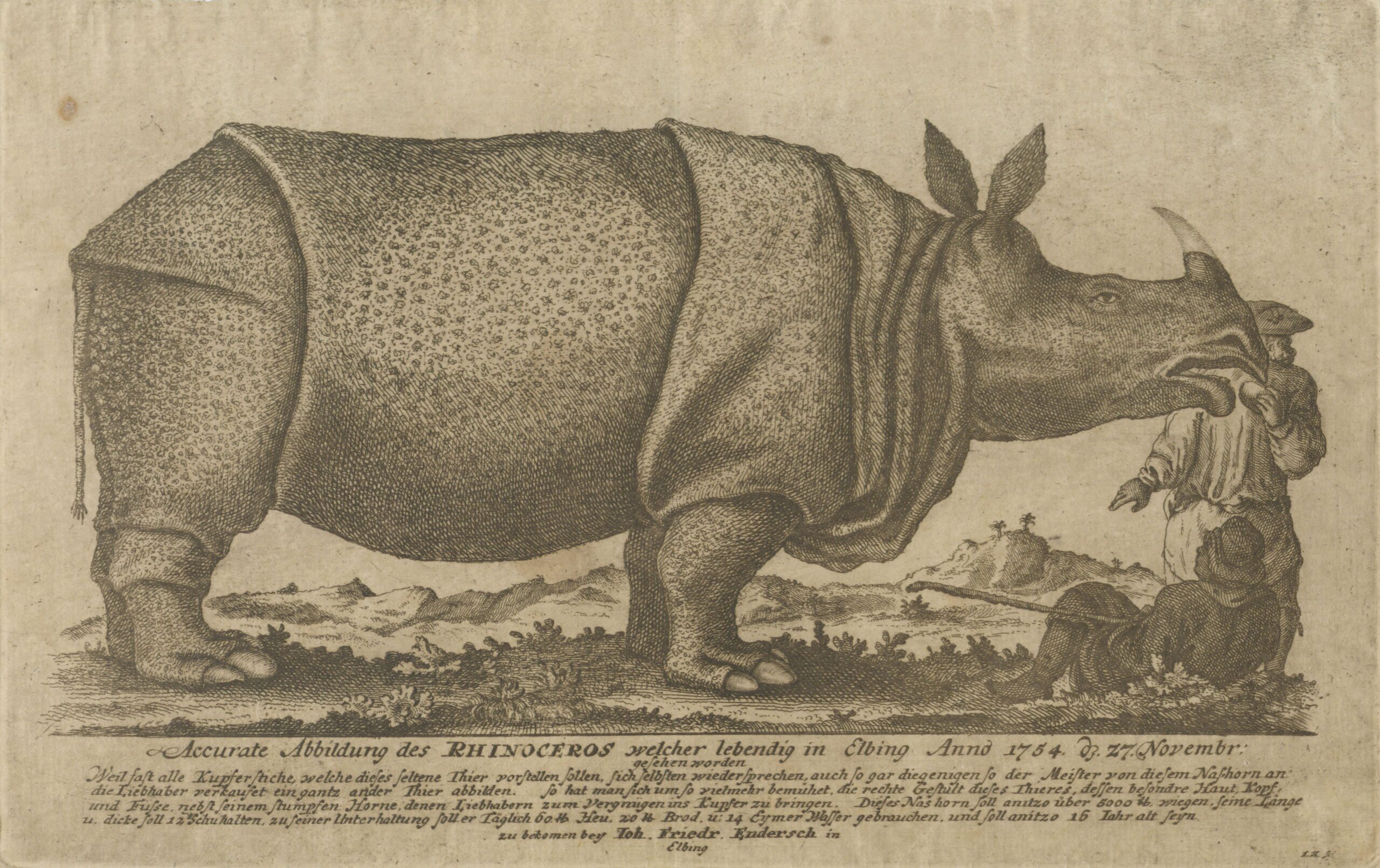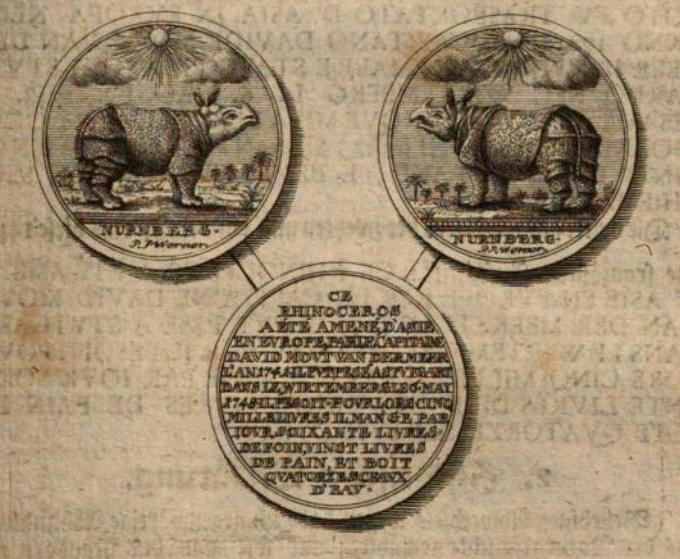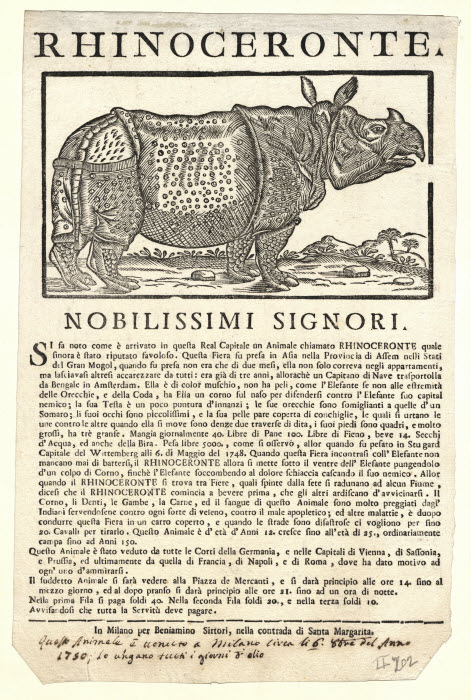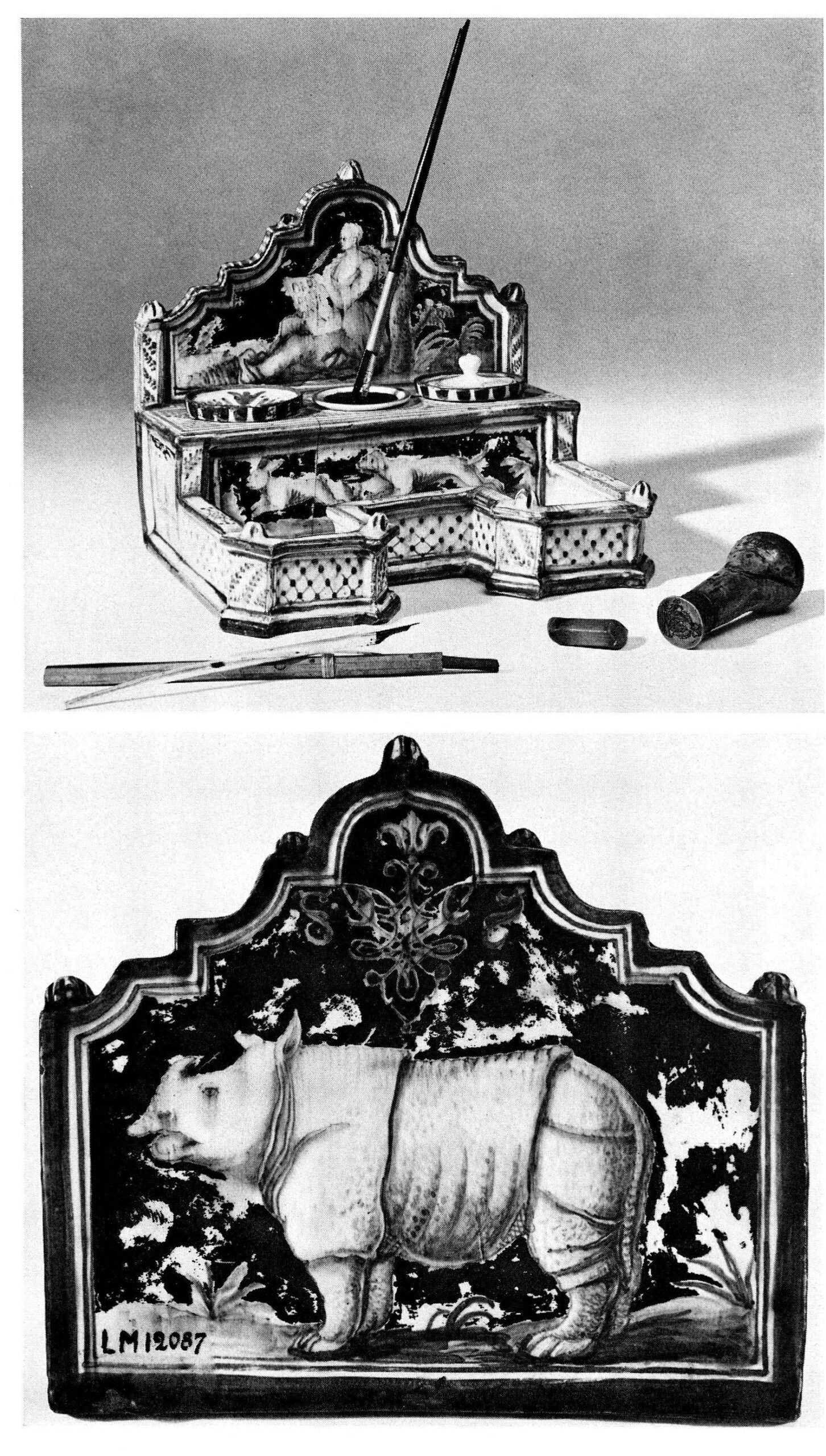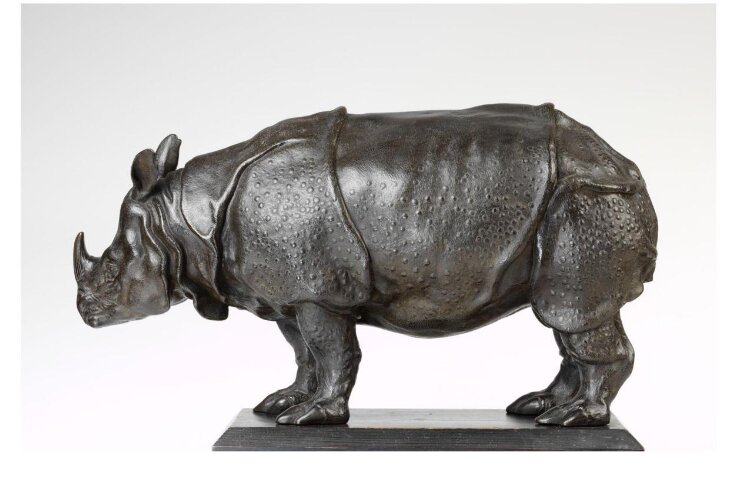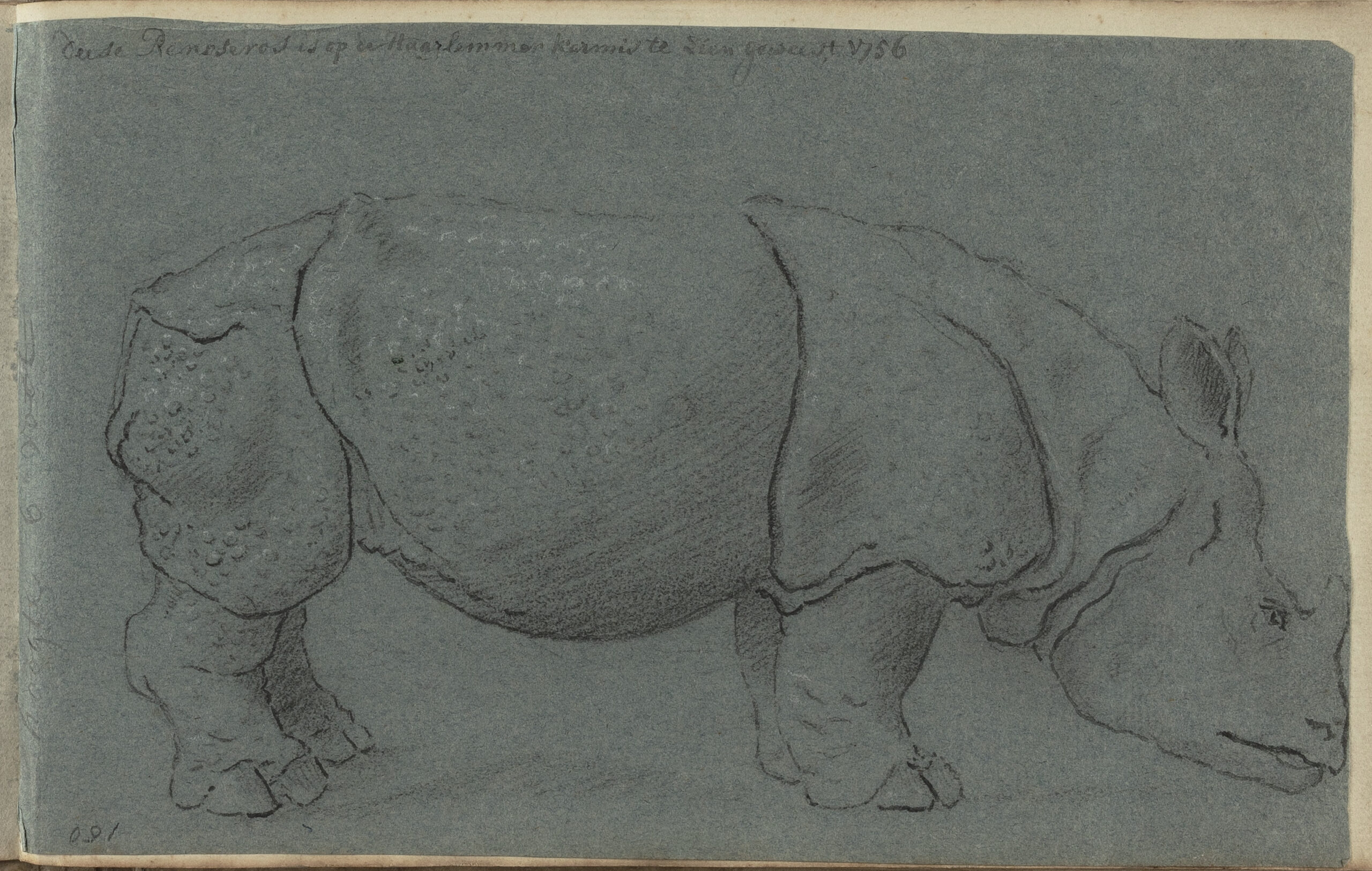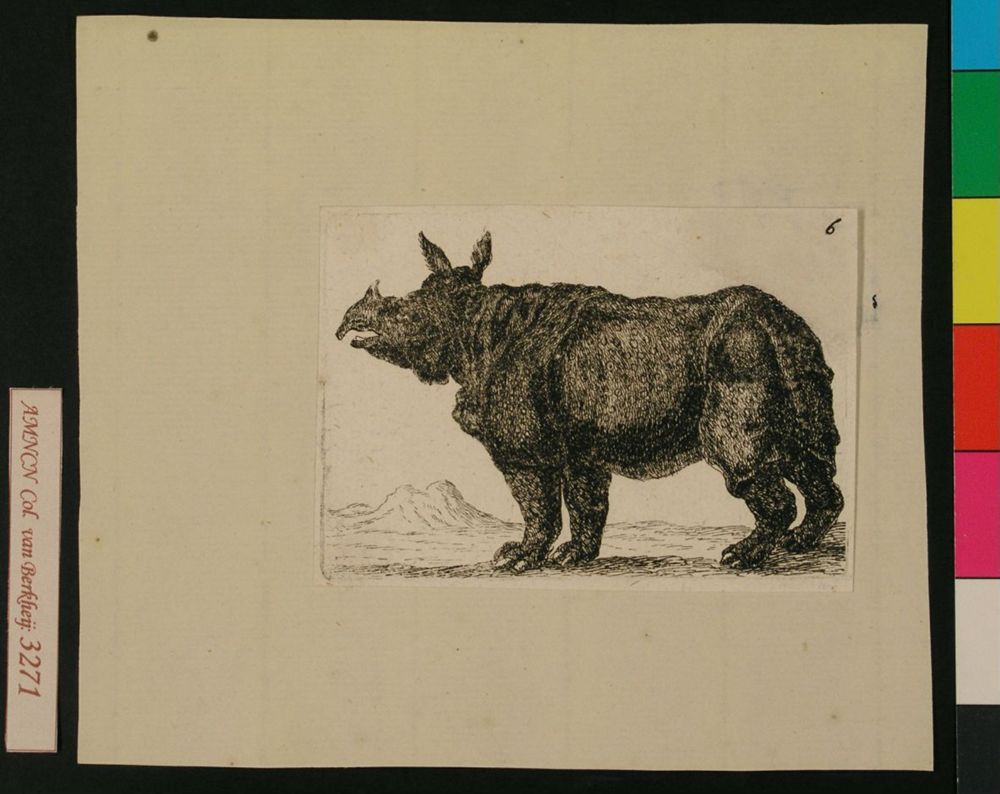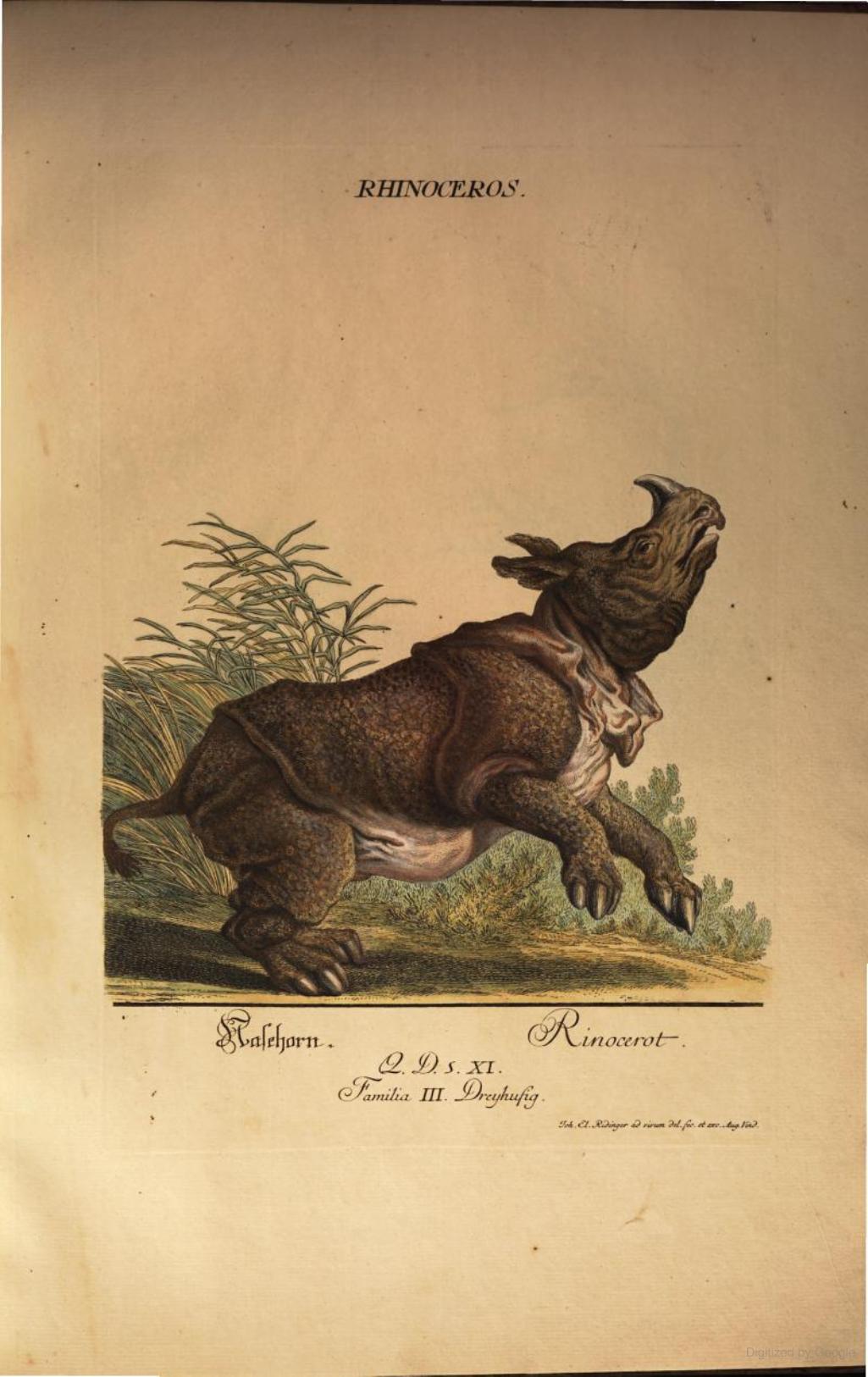


The Spanish clergyman Benito Jerónimo Feijoo received a letter from an anonymous correspondent about a rhinoceros alive in Brussels in June 1743 and discussed if this was the unicorn (source 2051). The army officer Henri de Calenberg mentioned that he went to see the animal [but date not shown] (source 2052).
Literature
- Ham, G. van der, 2022. p. 68, n.51
Source 2051. Feijoo, Cartas Eruditas
* Benito Jerónimo Feijoo (1676–1764), clergyman in Oviedo, Spain
His correspondent is not identified
Feijoo y Montenegro, B.G. 1751. Cartas eruditas, y curiosas, en que por la mayor parte se continua el designio de el Theatro Critico, 2nd ed. Carta 3: Sobre el Rinoceronte, y Unicornio. Es respuesta a una anónima. Madrid, Herederos de Francisco del Hierro, vol. 3.
Original text (Spanish)
[p.23–24] 2. Díceme V… por vía de impugnación a lo que en el segundo Tomo del Teatro, disc. 2., escribí del Unicornio, que los Autores Naturalistas, que han escrito que no hay Rinocerontes, Unicornios terrestres, han estado en un error, lo que se prueba con un Rinoceronte, que se trajo vivo a Bruselas en el mes de Junio del presente año de 1743, el cual añade V… que su ayuda de Cámara, que se hallaba a la sazón en Bruselas, tuvo la curiosidad de ver como puesto en espectáculo a toda la Ciudad.
Dicen que el Rey de Francia le quiere comprar para tenerle en Versalles.” Hasta aquí la relación, sobre la cual, y sobre lo que V… supone en ella, tengo que hacer uno, u otro reparo.
English translation
68:
Clara's fame began to spread around Europe. She was increasingly talked and written about. The Spanish monk Benito Jeronimo Feijoo, who lived in Oviedo, cannot have been the only European scholar to receive a letter about her, in his case from Brussels in the summer of 1743. In this he was told that she had caused a furore in the city and that rumour had it that the French king was even considering acquiring her for his menagerie in Versailles. Feijoo himself was especially moved by the fact that rhinoceroses actually existed and that they were definitely not the same animal as the unicorn that nobody had ever seen. In the essay he wrote about this in 1743, which was published in 1750, he stressed how extraordinary it was that the rhinoceros had unravelled a myth. At the same time, he confessed: 'I cannot conceal from the reader my fear that the news I have received of the Brussels rhinoceros is a fabrication'. He hoped that this would prompt someone to confirm her existence. Again, his appeal shows how much disbelief the arrival of the animal aroused in many people.
Source 2052. Henri de Calenberg
* Henri de Calenberg (1685–1772), Feld-maréchal de l'Empire. – Bibliophile
Maybe lived in Brussels, he died there
Bacha, Eugène; Backer, Hector de. 1913. Le journal du Comte Henri de Calenberg pour l'année 1743. Bruxelles, imprimé pour la Société des Bibliophiles et Iconophiles de Belgique, vol. 1
Journal vol. 1 p.128 (snippet)
Original text (French)
20. [month, year?] *** L’aprèsdiné, nous allons en famille [voir] un Rinoceros , animal extraordinaire qui vient communément d'Afrique , mais celuyci étoit venu d'Asie , du Royaume d'Assem ( * ) dans celuy de Bengale . C'étoit une femelle n'ayant encor que 3 ans et 1/2 , d'une grandeur prodigieuse et du …
English translation
After dinner we went as a family to see a Rinoceros, an extraordinary animal usually brought from Africa but this one came from Asia, from the Kingdom of Assem in Bengal. It was a female which was only 3 ½ years old, with a great size.