Skip to content
Rhino Resource Center

The world's largest online rhinoceros library dedicated to assisting research and conservation efforts globally.

Rhino Resource Center

Welcome to the world's largest online rhinoceros library dedicated to assisting research and conservation efforts globally.

Explore our collections

Rhinos are ecological engineers

By creating paths, wallows, and dispersing seeds through their dung, rhinos shape entire ecosystems. A single white rhino can produce 20 kilograms of dung daily, fertilising the landscape and spreading plant seeds.

Learn more about rhinos

The Rhino Document Library

The Rhino Document Library contains a total of 30643 references.

Book
Oliveira de Cadornega, A. 1942. Historia geral das guerras angolanas por Antonio de Oliveira de Cadornega, 1681. Revisto e anatado por Manuel Alves Da Cunha, vol. 3. Lisbon, Agencia Geral das Colonias.
PDF download available
Article
Hooyer, D.A. 1958. An early Pleistocene mammalian fauna from Bethlehem. Bulletin of the British Museum (Natural History): Geology 3 (8): 265-291.
PDF download available
Article
Hidding, H. 1983. Fossiele resten van zoogdieren uit Laat-Pleistocene sedimenten in de regio Zwolle [Fossil mammal remains from the Late Pleistocene sediments in the Zwolle region]. Grondboor en Hamer (Tijdschrift van de Nederlandse Geologische Vereniging) 1: 8-16.
PDF download available
Article
Heissig, K. 2002. Nashornreste aus dem Karpatium des Korneuburger Beckens (Niederösterreich). Beiträge zur Paläontologie 27: 399-405.
PDF download available
Article
Heinevetter, F. 1937. Die eiszeitlichen Funde im Gebiet von Gleiwitz. Jahresberichte der Geologischen Vereinigung Oberschlesiens 1937 (Teil 2): 38-40.
PDF download available
Article
Heinevetter, F. 1933. Die Oberschlesischen Diluvialfunde der Jahre 1932/33. Jahresberichte der Geologischen Vereinigung Oberschlesiens 1933 (Teil 2): 49-50.
PDF download available
Article
Harris, J.M.; Brown, F.H.; Leakey, M.G. 1988. Stratigraphy and paleontology of Pliocene and Pleistocene localities west of Lake Turkana, Kenya. Contributions in Science (Natural History Museum of Los Angeles County) 399: 1-128.
PDF download available
Book
El Hurgador 2023. El Hurgador [Arte en la Red] blog 112 (CXII): Luigi Serafini, John Wesley, Nilson Miqueas Rosas Mares, Adriano Pompa, Pietro Longhi, Pintor veneciano, Julio Larraz, vSir Peter Thomas Blake, Claire Milner, Walther Jervolino, Giovanni Macciotta, Nathan Neven, María Sada. Internet blog. pp. 1-28.
PDF download available
Book
El Hurgador 2021. El Hurgador [Arte en la Red] blog 111 (CXI): San Rock Art , Ouarzazate, Delft Tiles, Redmer Hoekstra, Jane Lee McCracken, Frances Ruth Vincent, Bruno Pontiroli, Austen Pinkerton, Martin Klein. Internet blog. pp. 1-29.
PDF download available
Book
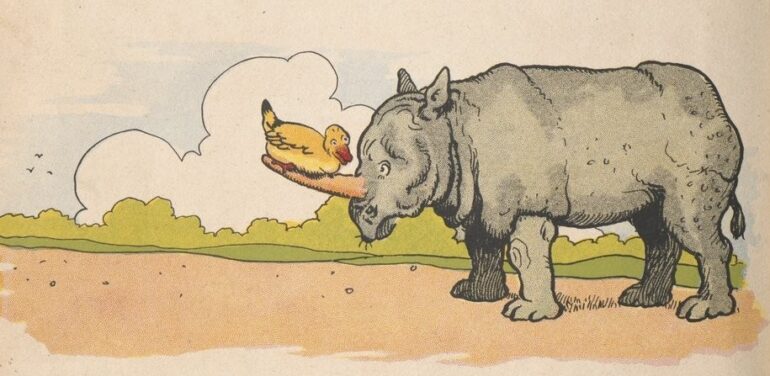
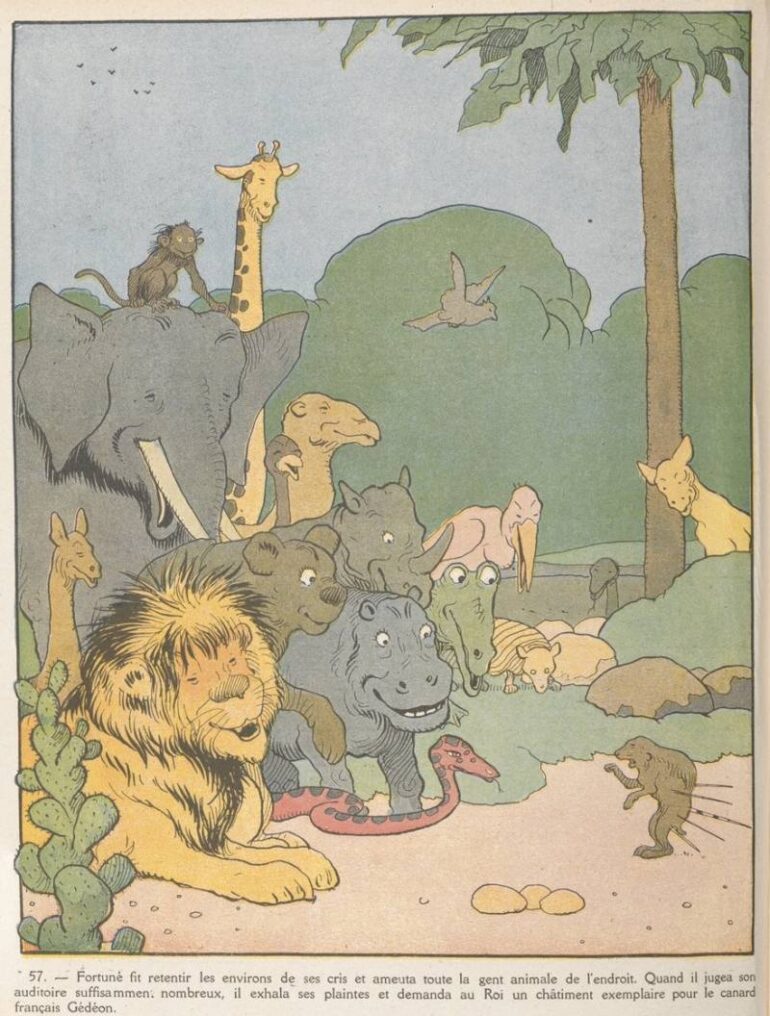
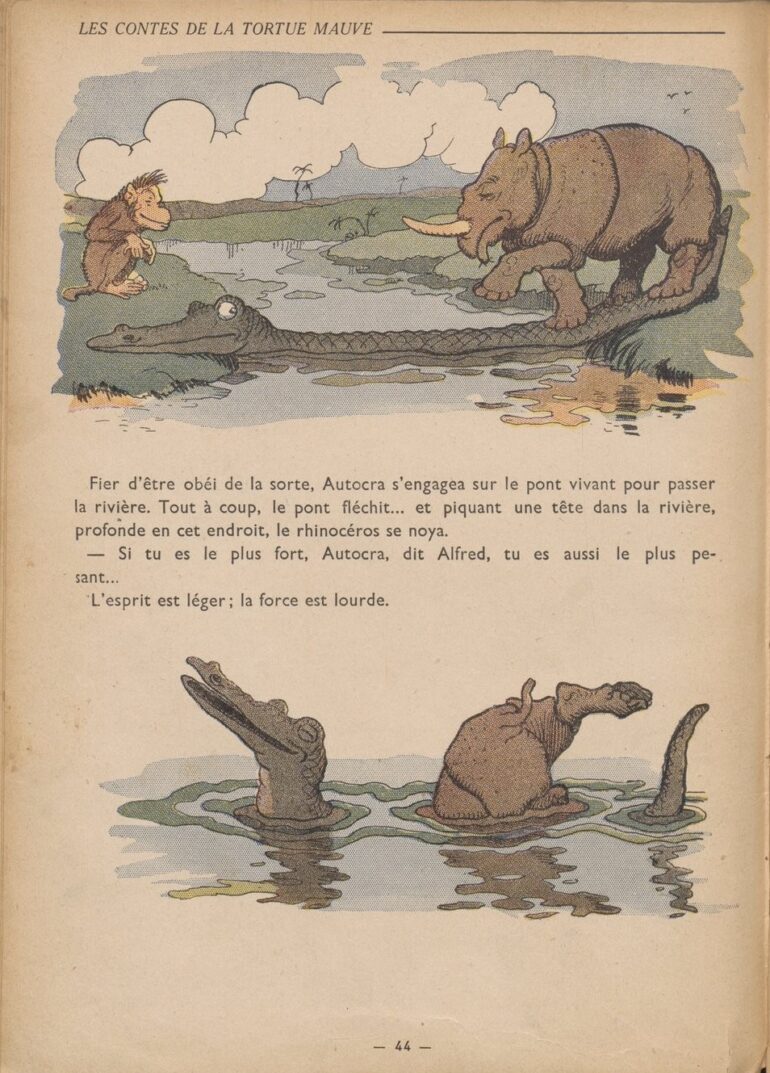
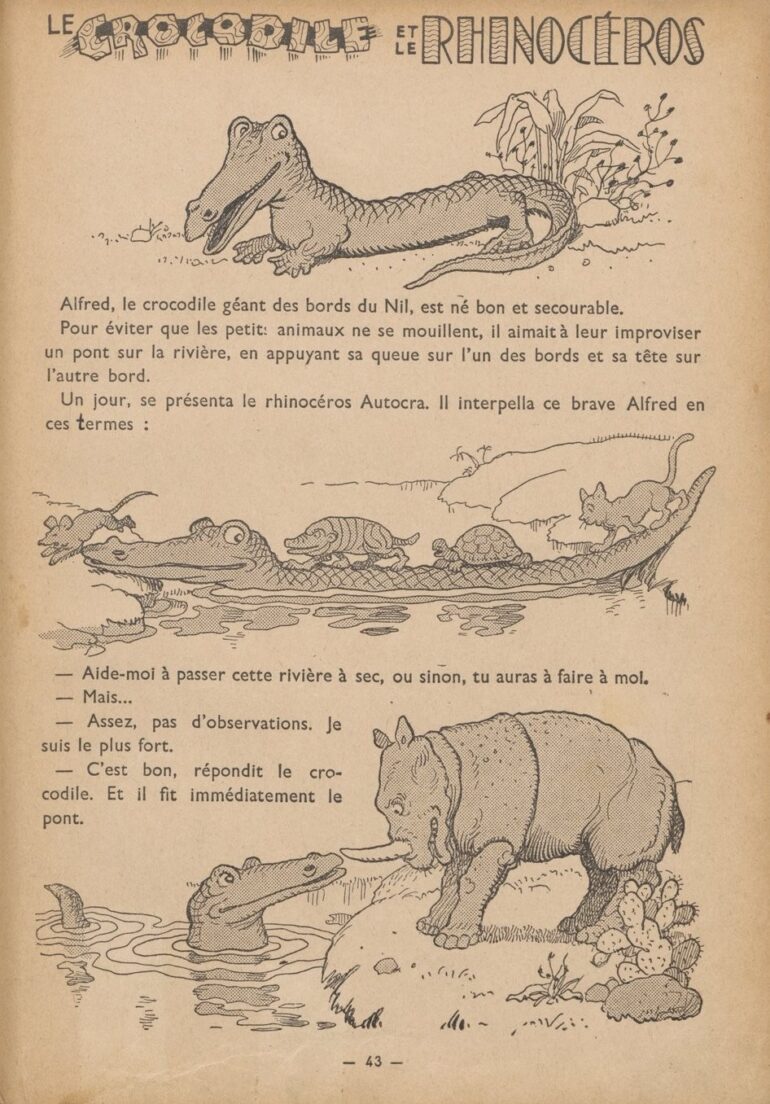
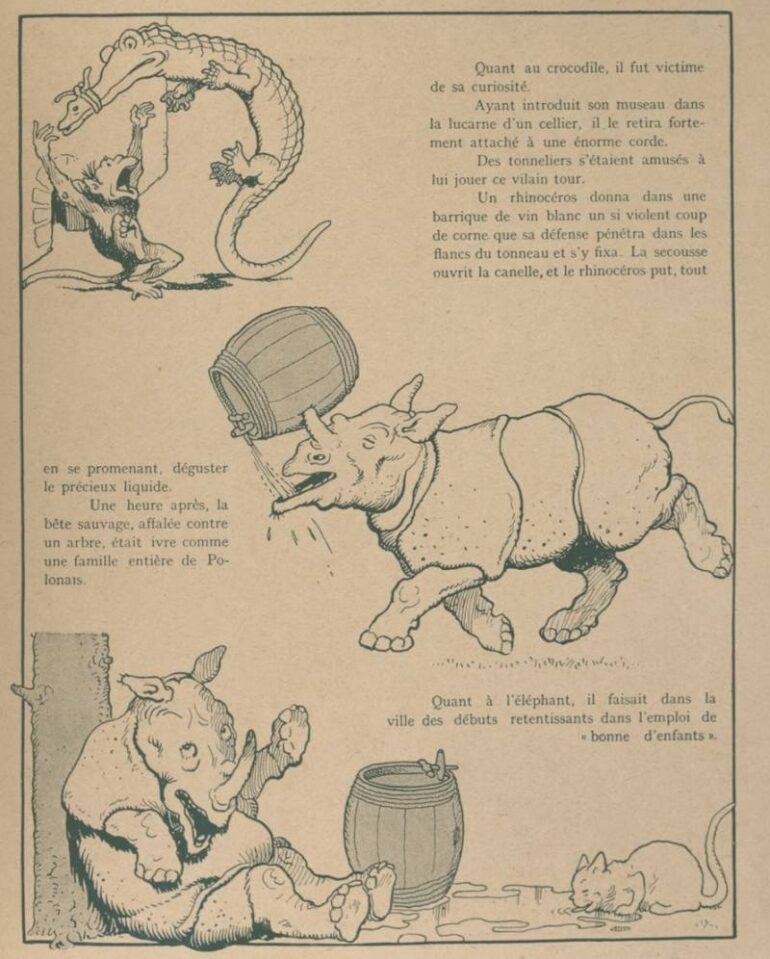
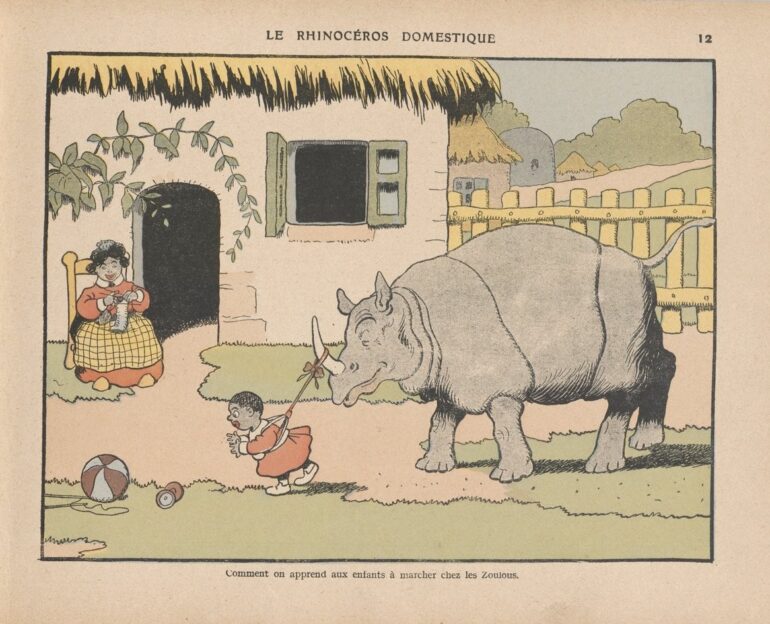
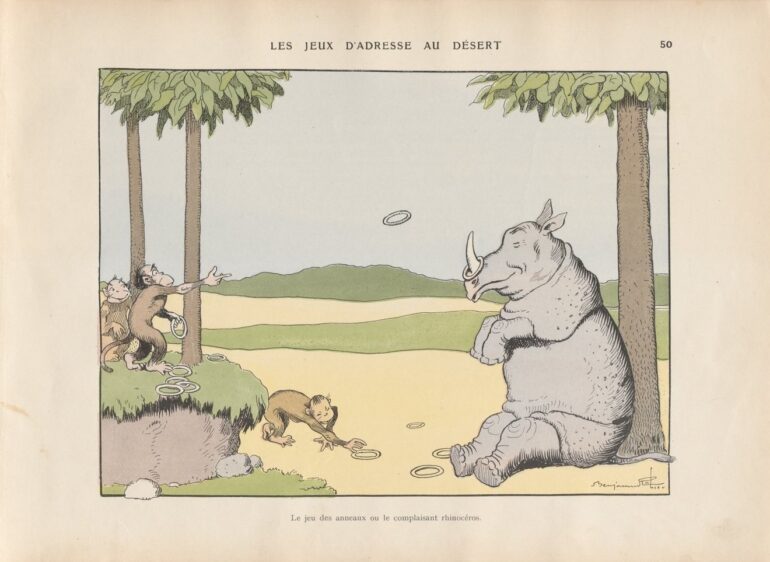
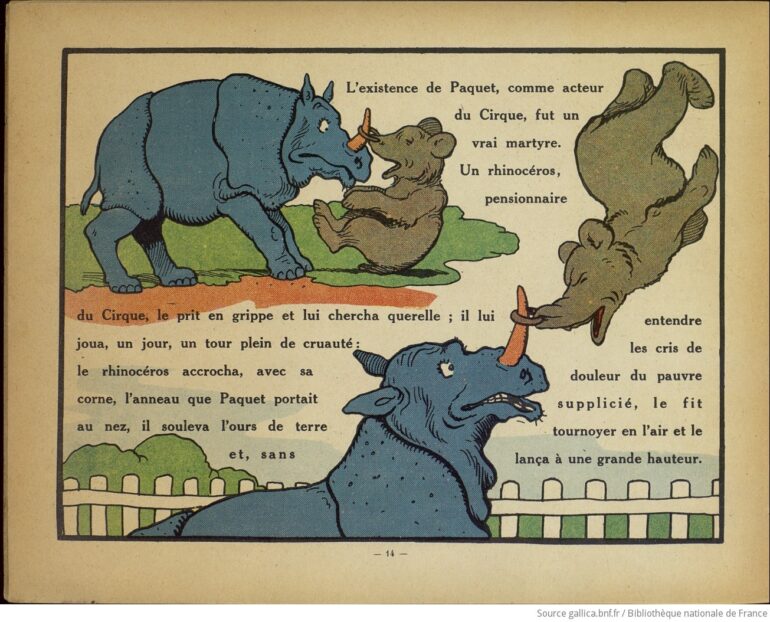
El Hurgador 2021. El Hurgador [Arte en la Red] blog 110 (CX): Benjamin Rabier, Rudyard Kipling, Feodor Stepanovich “Rojan” Rojankovsky, Erika Weihs, Ela Jarzabek, Jenny Thorne, Daron Parton, May Angeli, Leonard Weisgard, Pedro Rodriguez, John Joven, Alicia Baladan, Hans Erni. Internet blog. pp. 1-25.
PDF download available
Rhino collections
Collection

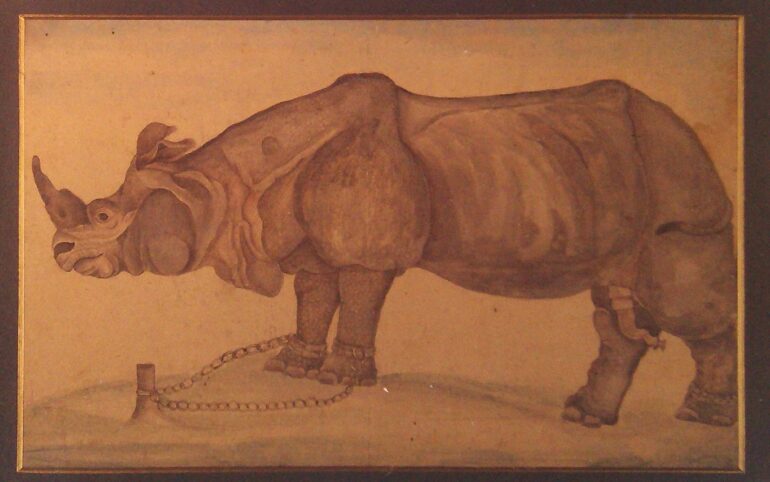
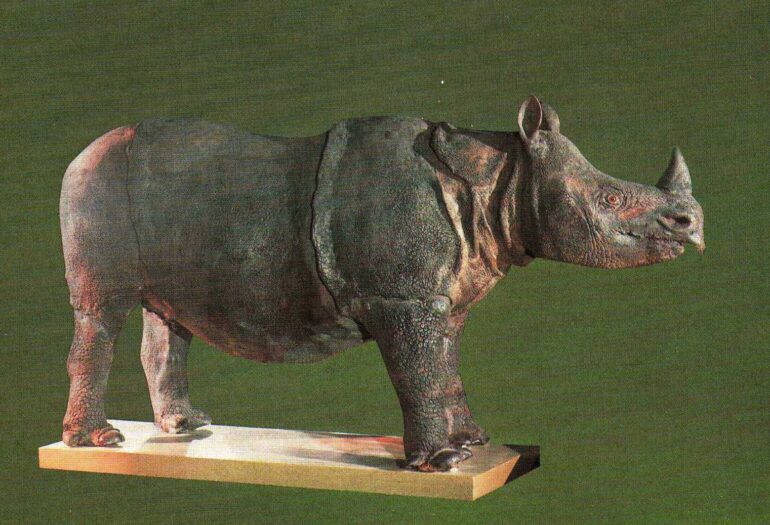
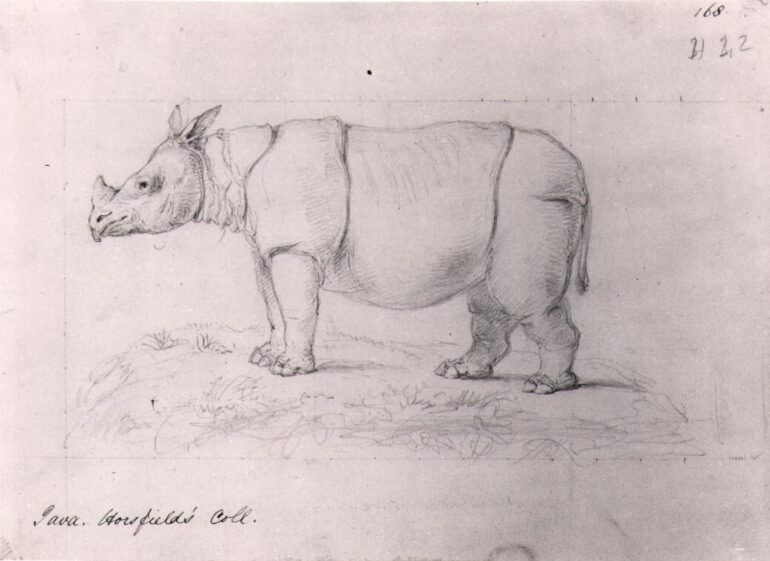
History of Clara

Clara the Rhinoceros tells the marvellous story of the most famous rhinoceros in history.
Collection

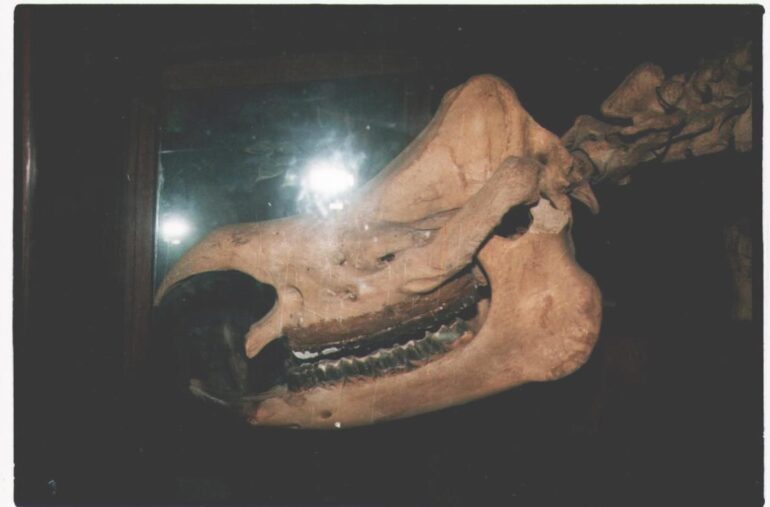
Geraads Fossil Rhino Database

Old World Neogene and Quaternary rhino-bearing localities.
Collection

RRC Newsletters

All newsletters from the start in 2005 were edited and composed by Dr. Kees Rookmaaker, Editor of the Rhino Resource Center.
Collection

Carino Database

East Asian and West African Rhinos.
Collection

Gallery of Modern Art

Rhino Depictions In Contemporary Modern Art.
Announcements
Announcement

Our new website is now online

The Rhino Resource Centre has unveiled its completely redesigned website.
Announcement

The Rhinoceros of South Asia – DISCOUNT

A book by Kees Rookmaaker with chapters by Joachim K. Bautze and Kelly Enright.

Are rhinos aggressive?

Despite their fearsome reputation and ability to charge at 50 kilometres per hour, rhinos are not naturally aggressive animals. They're more accurately described as defensive, preferring to be left alone to graze peacefully.
Learn more about rhinos
Secret Link